menu
Close

GET IN TOUCH
Check what other game developers say about working with RocketBrush Studio:

BLOG
Casual games depend on visual clarity as much as visual appeal. In match-3 and merge games, colorful objects must remain recognizable on small screens. In idle games, characters and environments need enough personality to reward progression. In hidden-object games, detailed scenes must remain readable without making important items difficult to find.
These requirements make choosing an art partner more complicated than finding a studio with an attractive portfolio.
The following studios cover different production needs, from focused art outsourcing to large, multidisciplinary teams. The comparison considers their publicly documented services, relevant portfolios, team information, and available pricing evidence.
Here are our top picks
The right partner should understand the target subgenre, deliver consistent characters, backgrounds, icons, UI, and animations, and scale production when a game needs new levels or live-ops content. Technical requirements matter, too: texture atlases, animation-ready layers, and efficient asset exports can affect performance and delivery schedules.
Keep in mind:
Founded: 2016
Location: Cyprus
Team size: 150+ specialists (company-reported)
Specialization: 2D and 3D game art, casual game illustrations, characters, environments, animation, and production assets.
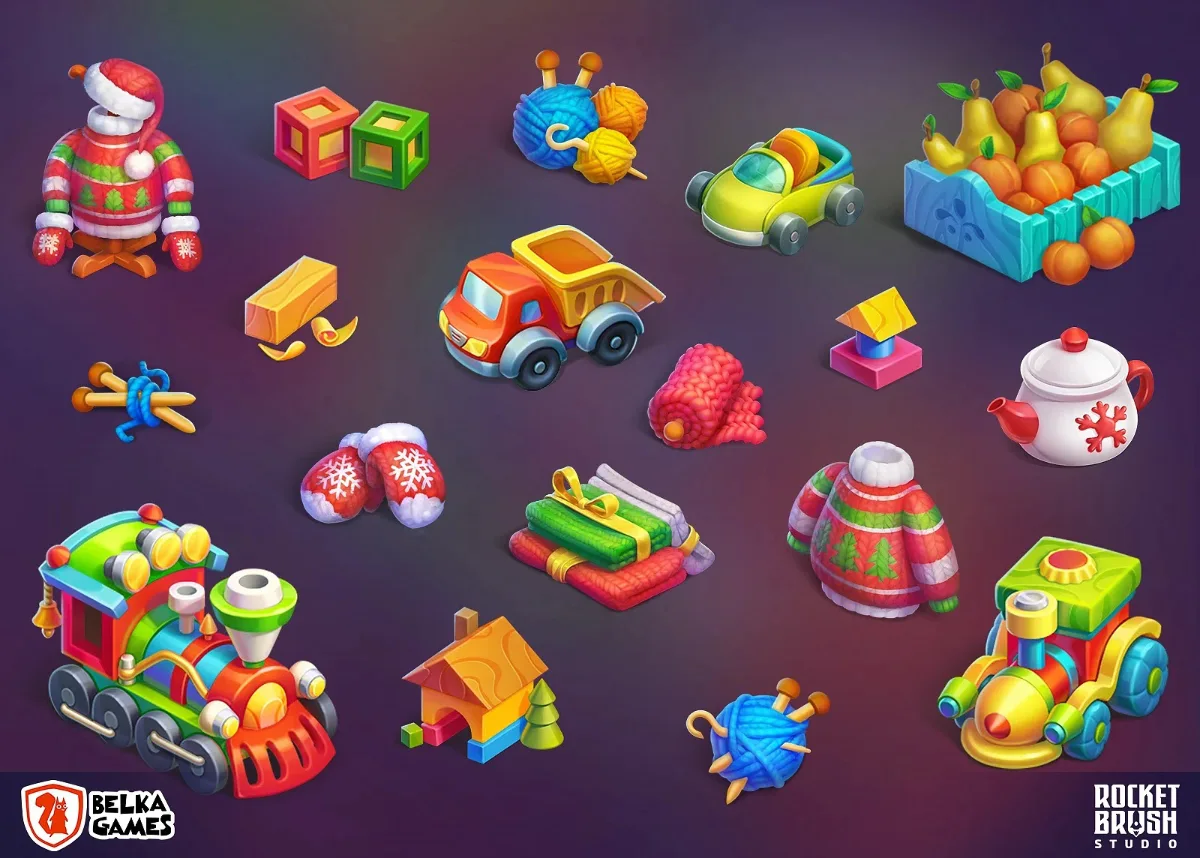
RocketBrush is a practical option for developers who want a team that specializes in casual game art and can fit into a broader production pipeline. Its service range covers 2D character art, illustrations, concept art, 3D assets, environments, and animation.
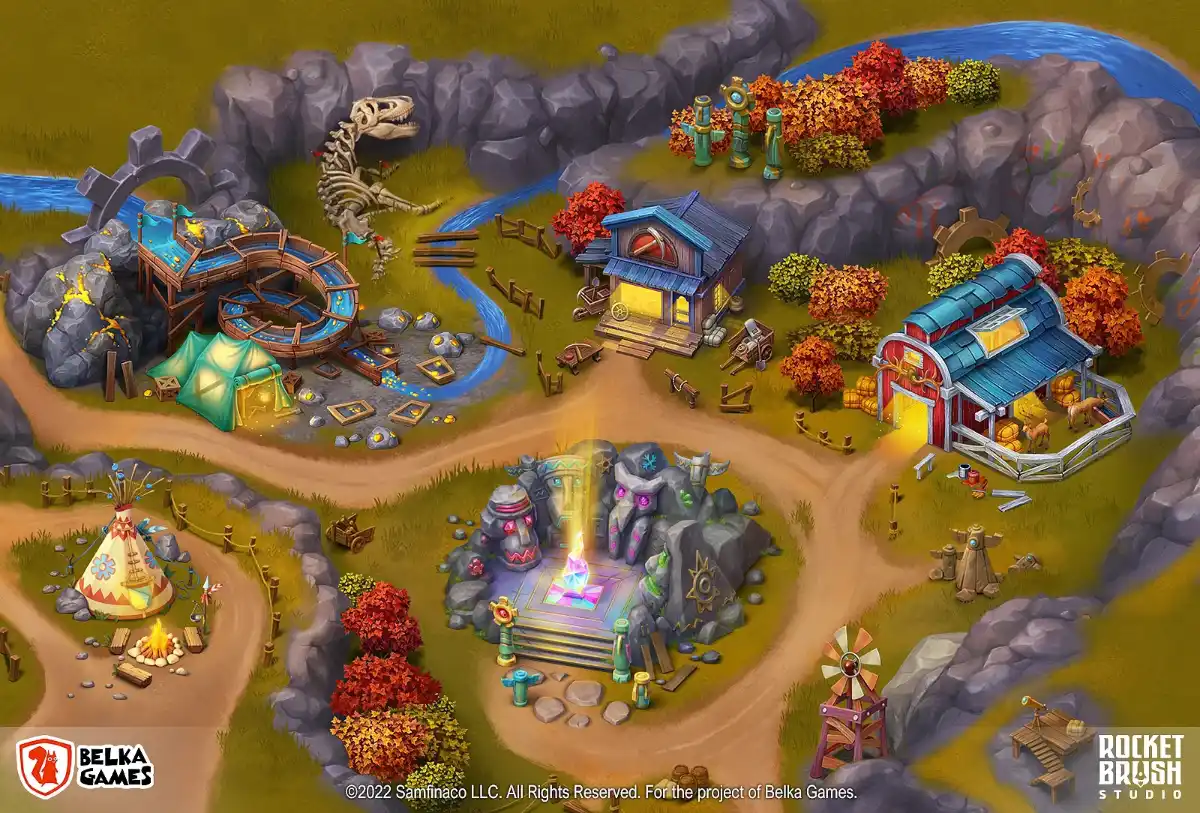
This makes the studio a good option for creating mobile projects, especially those that need several connected asset types, from character and prop illustrations to promotional visuals and production-ready game art. Its portfolio includes work for Jewels of the Wild West, demonstrating experience with the colorful visual language associated with match-3 games.
‘There is a special look that we expect from casual games and to us, one of the main requirements is that it doesn’t feel unfinished or sloppy. Assets also have to look fun, the game has a short time to make the first impression and it has to be a good one.” – Artist at RocketBrush
One advantage is the ability to coordinate visual production across related deliverables. A casual title may need a recognizable art style for its main gameplay, event screens, collectible items, and marketing materials. Working with one art partner across these elements can reduce the amount of style translation and coordination required from the internal team. RocketBrush also has experience supporting established game companies, and its public testimonials describe collaboration, flexibility, and the ability to increase production capacity without compromising quality.
Key services
Best for: Mobile game developers who need a flexible art outsourcing partner for casual illustrations, characters, environments, and related production assets.
Founded: 2018
Location: Warsaw, Poland
Team size: 20+ employees (company-reported)
Specialization: Casual 2D/3D art, characters, props, environments, UI/UX, and animation.
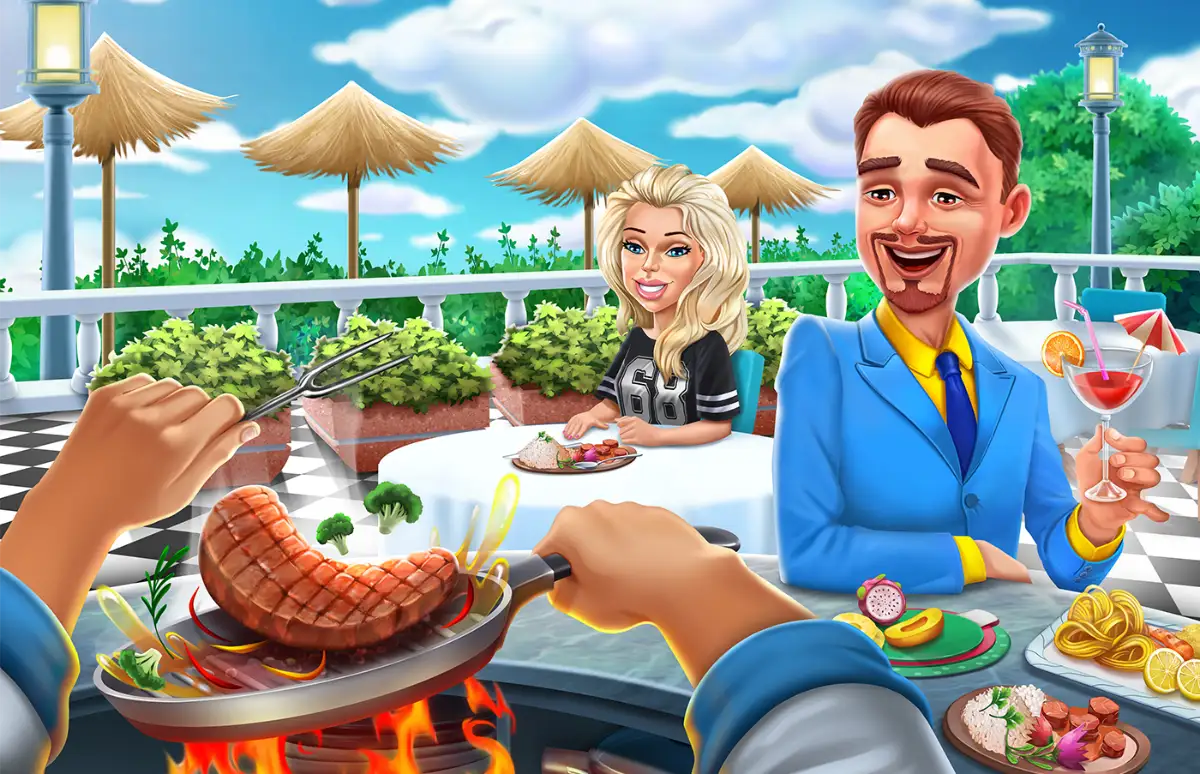
Pixune offers a broad range of casual game art services, including character design, environments, props, animation, and UI/UX. That breadth is useful for smaller development teams that need several categories of art but do not want to coordinate separate specialists. Its service portfolio explicitly covers mobile casual projects, from hyper-casual games to more substantial titles, and emphasizes engine-ready assets.
The studio also publishes a price guide, making it one of the more straightforward options to assess during early budgeting. But it’s important to remember that a project requiring numerous character variations, polished backgrounds, UI states, and animation will differ considerably from a small set of props.
Key services:
Best for: Small and mid-sized teams seeking a single supplier for a varied package of casual mobile game assets.
Every game's promo campaign relies on key art for the title. Learn about the top key art and promo art outsourcing studios from our comparison.
[[ref:top-studios-video-game-key-art-promo-art]]
Founded: Not independently confirmed
Locations: International team
Specialization: 2D/3D game art, concept art, UI/UX, rigging, animation, and game development.
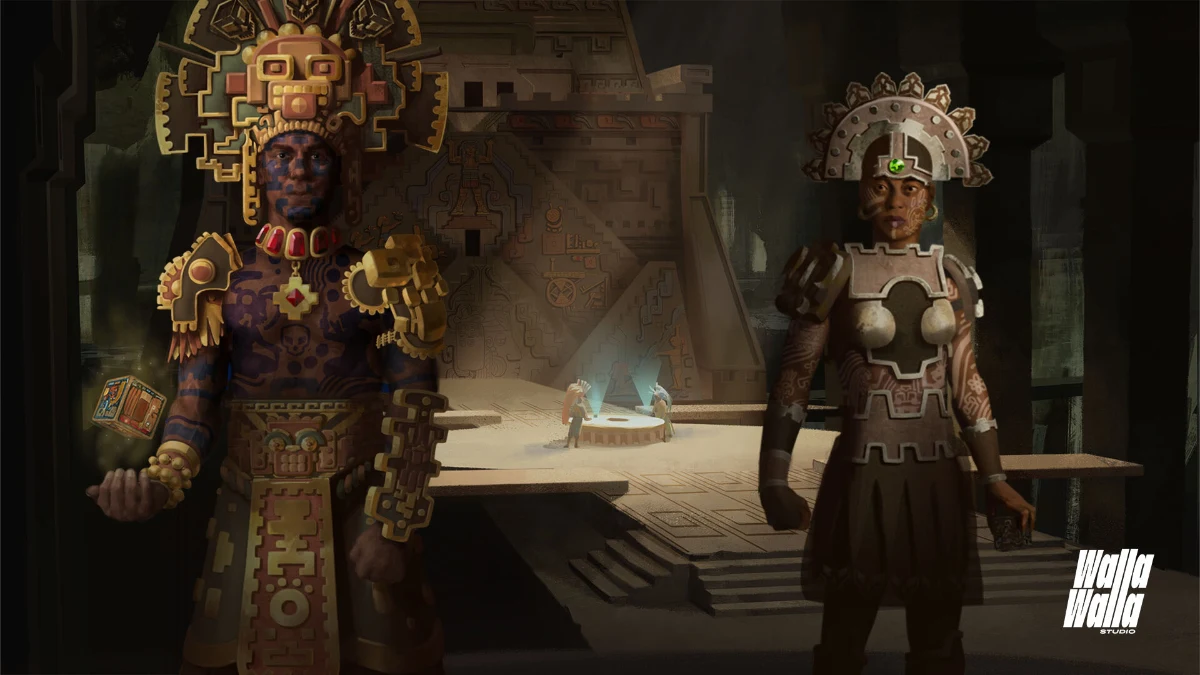
Walla Walla Studio offers art production across pre-production, production, and post-launch, making it worth considering for developers whose needs extend beyond a single batch of illustrations. Its documented services include visual style development, character and environment design, 2D and 3D production, rigging, animation, technical specifications, marketing materials, and visual updates.
For casual games, the breadth is most relevant when a project needs art and animation to work together. The studio also provides custom UI elements, including icons and buttons, which can be important when gameplay screens, menus, and promotional visuals must follow the same art direction. Its wider game-development capabilities may suit teams that need help with more than asset creation alone.
Key services:
Best for: Developers who want a broad art-production partner for a casual title, particularly when art, animation, and post-launch support overlap.
Founded: 2010
Locations: Ukraine/Lithuania
Team size: 11–50 employees (directory listing)
Specialization: Game development, 2D/3D art, animation, and mobile game production.
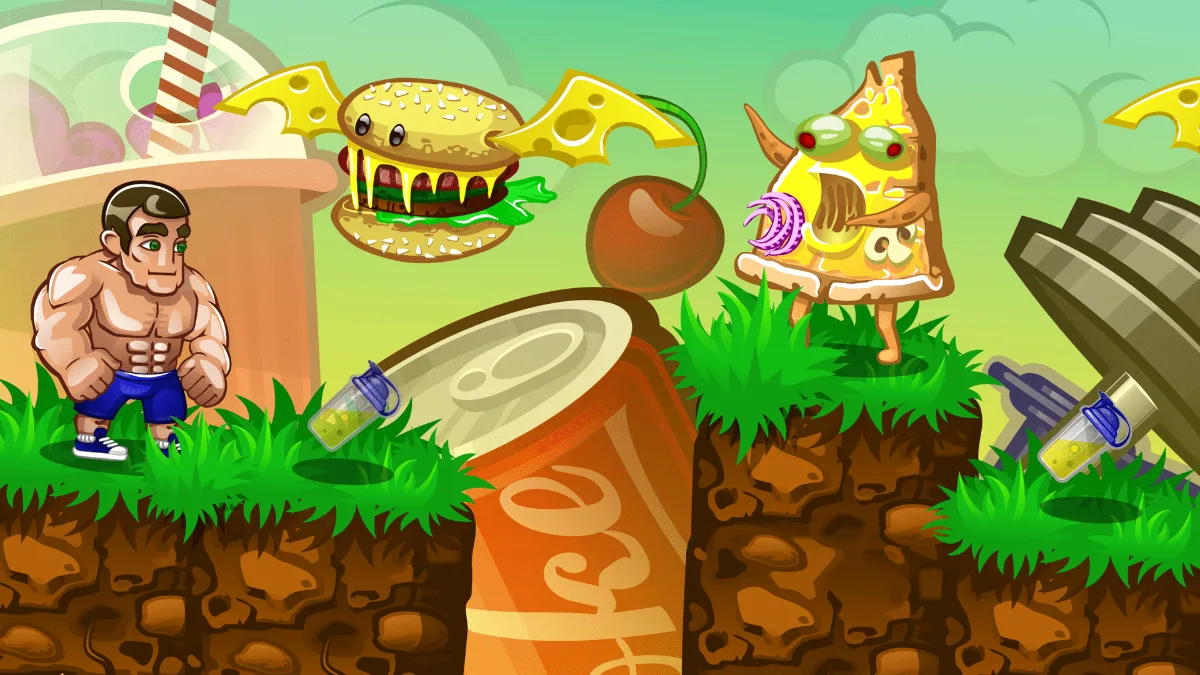
Melior Games is a game-development outsourcing company rather than a studio focused exclusively on casual art. It offers 2D and 3D art, animation, game design, and programming, with experience across iOS, Android, PC, and other platforms. That combination can help teams that need art assets developed alongside gameplay or broader technical work.
Its fit depends on the project scope. For a small casual game that only needs a batch of polished icons, it may be more relevant to compare the art scope separately from the company's development capabilities. For a team building a game from the ground up, however, the possibility of coordinating art and development through one supplier may be useful.
Key services:
Best for: Indie developers looking for a supplier that can combine game art with broader mobile game-development work.
RocketBrush can support your project with 2D and 3D art production tailored to its visual style, asset requirements, and release schedule. Define the scope, review process, and delivery needs at the outset to build a pipeline that can support both initial production and future content.
[[cta:Need game art for your casual game?:Tell us about it, and we'll assemble a skilled and production-ready art team with relevant experience.]]
Founded: 2007
Location: United States; international operations
Team size: Not publicly confirmed
Specialization: 2D-first art production, mobile and social games, character design, illustration, animation, and VFX.
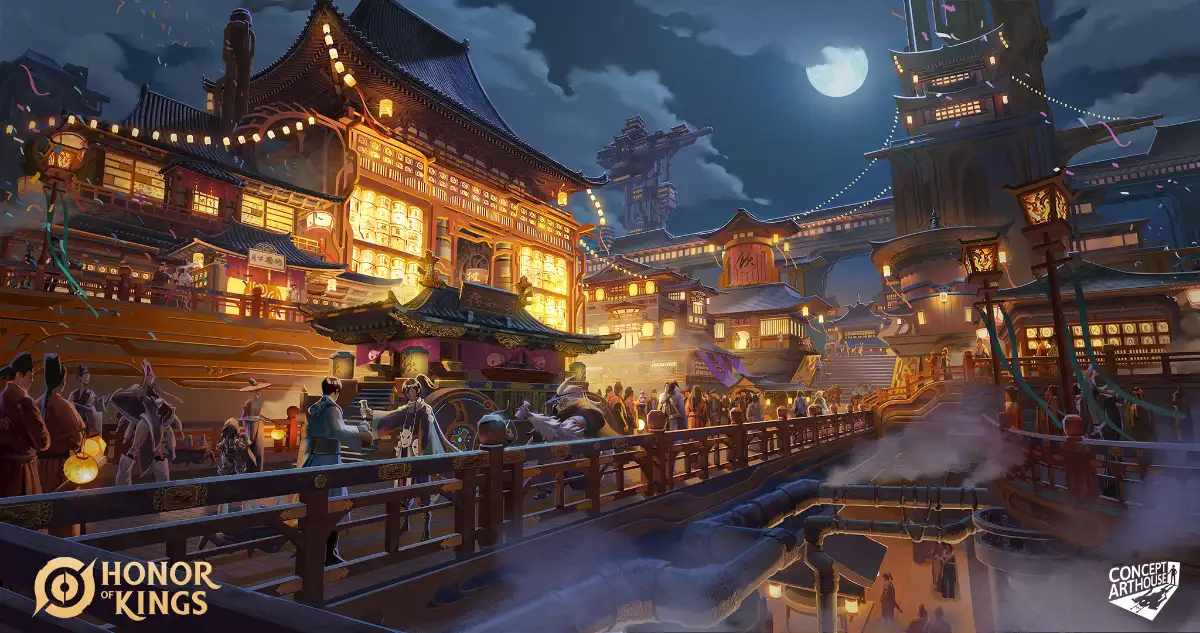
Concept Art House has a long history in game art outsourcing, having started in Shanghai in 2007 with a focus on 2D concept art before expanding into 3D, social games, and mobile production. Its documented experience includes mobile and social titles, trading card games, and collaborations with large developers. The studio reports contributing to more than 1,000 games.
For casual developers, the main appeal is its experience in illustration-led production. Strong character designs, expressive poses, polished backgrounds, and readable item art are particularly important for games built around collection, customization, or narrative progression. Its broader experience also makes it worth considering when a casual project needs a distinctive visual identity rather than a generic cartoon look.
Key services:
Best for: Publishers and developers that prioritize polished 2D illustration and character art for mobile, social, or collection-focused games.
Even cozy games sometimes require exquisite weapons. Discover the top studios for weapon concept art and modeling in our article.
[[ref:top-studios-weapon-concept-art-design-games]]
Founded: 2010
Location: Kyiv, Ukraine
Team size: 200+ artists and developers (current company-reported figure)
Specialization: Match-3 game art, 2D/3D production, isometric environments, characters, and mobile game assets.
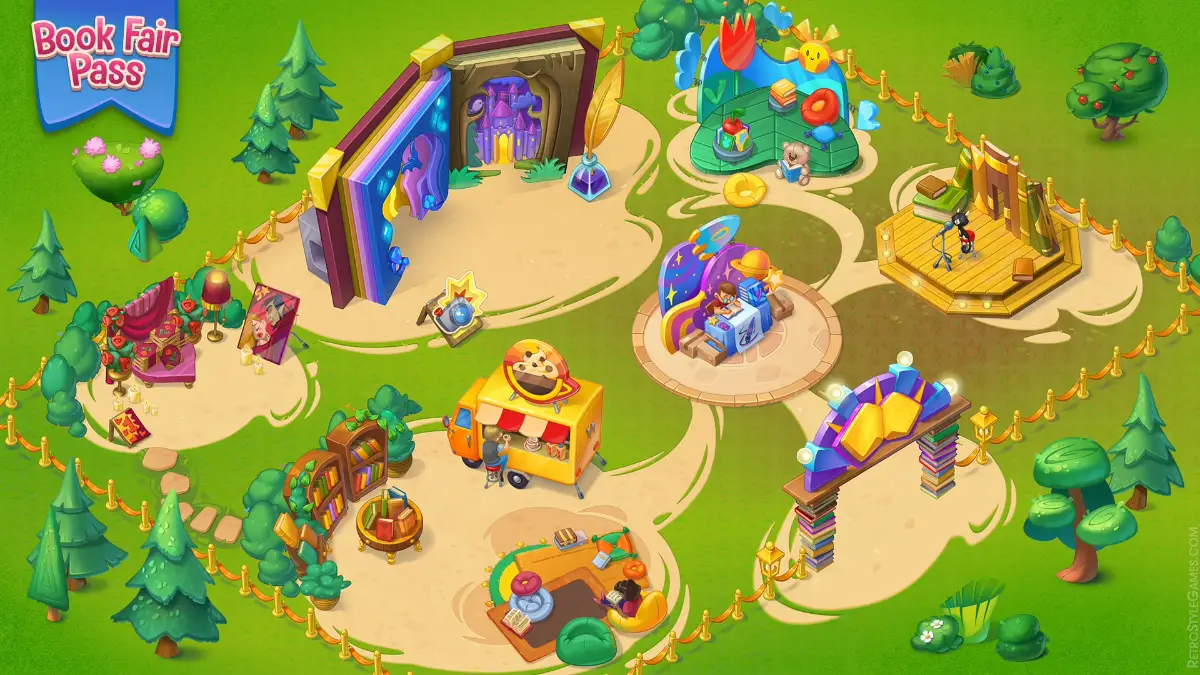
RetroStyle Games is one of the more directly relevant choices for casual mobile projects because it has a dedicated casual game art offering and a portfolio that includes match-3 titles. Its broader work covers 2D and 3D assets, isometric environments, characters, props, and animation. The studio also develops its own mobile games, giving it experience beyond supplying artwork to external clients.
RetroStyle Games also describes fixed-price, time-and-material, and dedicated-team engagement models. That flexibility can help clients choose between a defined asset package and ongoing support, depending on how predictable their content roadmap is.
Key services:
Best for: Match-3 and merge-game developers who need a specialist art partner for extensive asset libraries and recurring content updates.
In-game environment is part of what makes casual games fun. Discover the top outsourcing studios for game environment and concept art from our guide.
[[ref:top-studios-game-environment-and-concept-art]]
Founded: 2013
Headquarters: Bengaluru, India
Team size: 250+ engineers, artists, and QA specialists (company-reported)
Specialization: Casual game art, mobile-optimized assets, UI/UX, animation, and full-cycle game development.
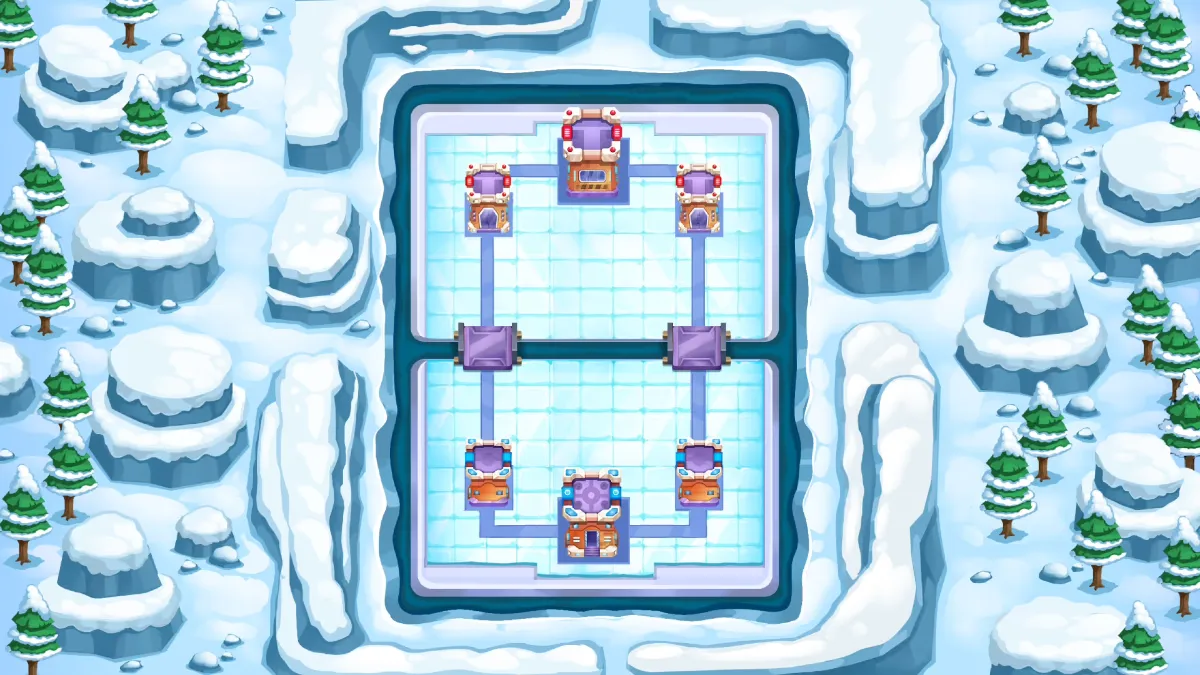
Juego Studios is suited to projects that need structured, scalable art production. Its casual art offering covers characters, backgrounds, UI/UX, icons, collectibles, power-ups, app-store graphics, animation, and concept art. It also describes a production process with review gates, art direction, and technical specifications for mobile delivery.
Juego also offers project-based outsourcing, dedicated teams, and outstaffing. Those models serve different needs: a fixed project scope suits a game with a defined production milestone, while a dedicated team can be more appropriate for a live title with a long roadmap.
Key services:
Best for: Mobile publishers and developers managing large asset lists, multiple milestones, or continuing live-ops production.
Many elements of casual games align with the style of tabletops. For the best board game art studios, check our dedicated guide.
[[ref:top-board-game-art-services-illustration-studios]]
Founded: 2011
Headquarters: Limassol, Cyprus
Team size: Around 1,000+ across Room 8 Group
Specialization: Large-scale game art production, 2D/3D assets, UI/UX, animation, and co-development.
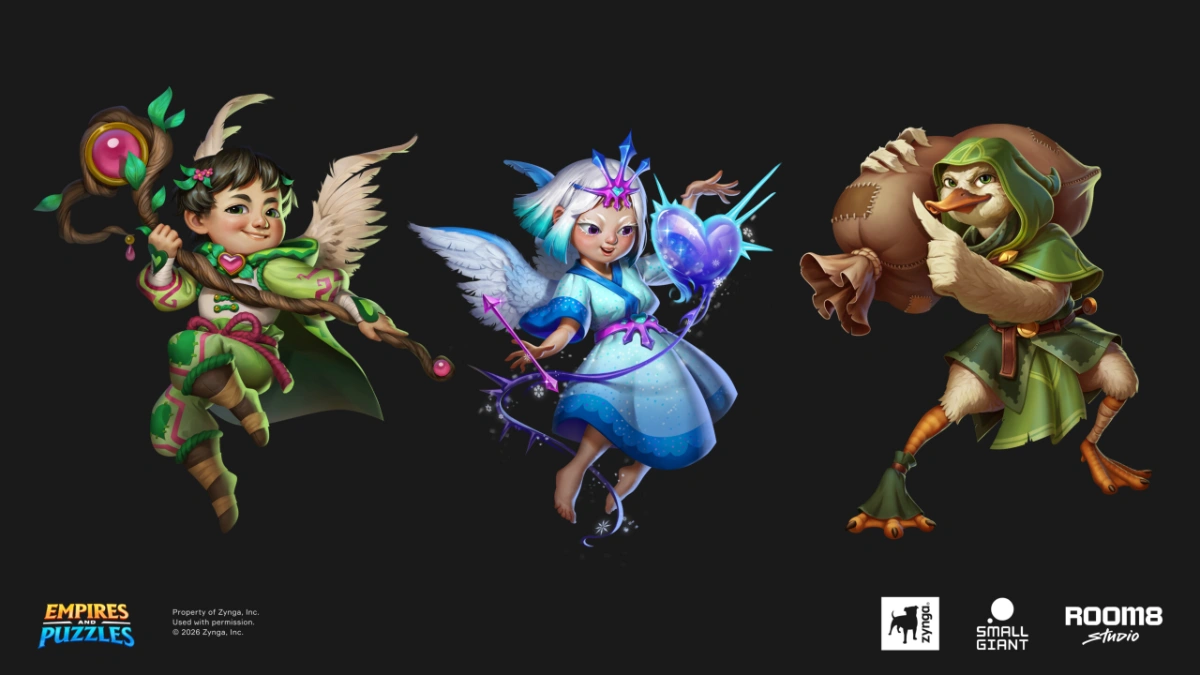
Room 8 Studio is the largest-scale option in this comparison. Its art production capabilities cover concept art, characters, environments, UI/UX, 2D and 3D production, and animation. As part of Room 8 Group, it also has access to wider capabilities in game development, technology, trailers, cinematics, and QA. Its public materials emphasize art direction, quality assurance, regular reporting, and project risk management.
However, a large external production partner is not automatically the best fit for every casual game. A smaller team with a limited asset list may not need this scale, while a publisher with several concurrent projects may benefit from the breadth of the group.
Key services:
Best for: Larger publishers or developers that need substantial art capacity, coordinated production across disciplines, or support for multiple projects.
The best partner is not necessarily the one with the biggest team or the most elaborate portfolio. For casual game art services, four practical criteria matter most.
Evaluate how well characters, objects, and interface elements remain recognizable at the actual size at which players will see them. Strong silhouettes, deliberate color contrast, controlled detail, and clear visual hierarchy are especially important in match-3 boards and inventory-heavy games.
Ask for examples at native mobile resolution, not only full-size portfolio renders. A beautiful illustration can still be unsuitable if its important details disappear on a phone.
Match-3, merge, idle, hidden-object, and hyper-casual games use different visual conventions. Match-3 games rely on easily distinguishable pieces and satisfying effects; merge games need readable object progression; hidden-object games require detailed scenes with carefully managed visual clutter.
Choose a studio whose portfolio reflects the mechanics and presentation of your game. Experience with casual art in general is useful, but it is not a substitute for evidence of the specific asset types your project requires.
Check whether the studio can supply all the categories needed for launch: characters, props, backgrounds, icons, UI states, animation, app-store graphics, and advertising creatives. A single supplier can simplify style management, although outsourcing every category to one team is not always necessary.
Ask who will own art direction, whether the studio can match existing assets, and whether the deliverables include source files and animation-ready layers.
A studio's ability to produce attractive artwork is only part of the evaluation. For games with frequent updates, it must also maintain consistency and deliver assets in predictable batches.
Discuss file formats, texture atlases, sprite dimensions, naming conventions, Spine or other animation requirements, and engine-specific exports before production starts. Agree on review gates, revision limits, and delivery schedules. For a live game, also ask how the studio will document style rules so new artists can produce matching content later.
Both technical requirements and visual appeal matter while choosing a vendor to deliver art for casual games. The top companies all have vast portfolio but also clear specializations.
The final decision should come down to the studio's relevant portfolio, the specific deliverables included in its quote, the production workflow, and its ability to maintain a consistent art style over time.