menu
Close

GET IN TOUCH
Check what other game developers say about working with RocketBrush Studio:

BLOG
Board game art services cover much more than illustrations for cards and box covers. Tabletop projects may require concepts, character and creature art, maps, game board illustrations, tokens, standees, rulebook layouts, and even crowdfunding visuals. All of this has to revolve around one coherent art direction. The challenge is finding a studio that can maintain that consistency across dozens or hundreds of components while meeting print production requirements.
While some studios specialize in tabletop publishing and understand how artwork supports gameplay and physical components, others bring broader game art production experience, with teams that can scale up for larger asset lists. This comparison looks at the top studios, their portfolios, service offerings, strengths, potential limitations, and pricing transparency to help publishers and independent creators choose a suitable partner.
Here are our top picks for board game art studios
For this table, we gathered brief available information about these studios — their specialization, what they offer, and what needs to be discussed separately.
Keep in mind:
Founded: 2016
Location: Limassol, Cyprus
Team size: 150+ artists and specialists
Specialization: 2D and 3D game art, concept art, character illustration, environments, and production art
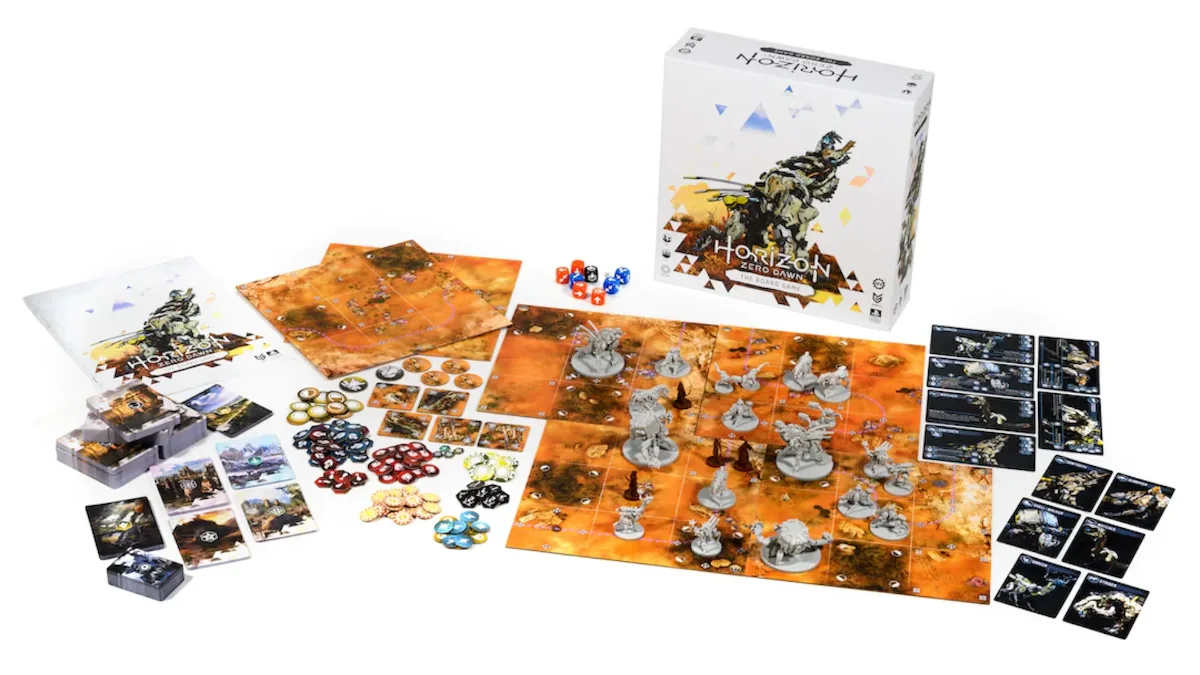
One of the main advantages of RocketBrush as a game art outsourcing studio for board game creators is its ability to support visual development and asset production within a managed workflow. Its public portfolio includes fantasy creatures, character illustrations, game icons, stylized backgrounds, and other custom assets. Although the studio's primary positioning is video game art rather than tabletop publishing, several of these disciplines translate directly to card games, tabletop RPGs, and board games that need a substantial volume of original artwork.
RocketBrush also has a documented art estimation process built around understanding the project, asset types, quantities, deadlines, and style requirements before work begins. Its published client feedback from game companies highlights communication, adherence to art guides, project management, and delivery against agreed deadlines. Those practices can be valuable when a publisher is coordinating card art, box art, and supplementary illustrations against a fixed manufacturing schedule.
It’s safe to say that board games share a lot in terms of process with 2D art, but at the same time the issue to consider is printing. Physical assets require additional workflows and as such, experts with relevant experience. And at that last stage, where we turn digital media into a physical asset, we have to work closely with the game team to make sure everything looks as intended. - Project Manager at RocketBrush.
The key distinction is scope. RocketBrush may be a better fit when a project needs a dedicated art team to produce a large collection of custom illustrations or when tabletop artwork is part of a broader game-related production pipeline. It should not automatically be treated as a one-stop tabletop publisher: graphic layout, token dimensions, CMYK conversion, bleed, prepress checks, and printer-specific packaging requirements must be confirmed in the project brief.
Key services:
Best for: Publishers and independent creators who need custom character, creature, item, or card illustration at scale and want a managed production process.
Location: Czech Republic, according to the supplied studio brief
Team size: Small studio and artist network
Specialization: Tabletop character art, cards, box illustrations, and game boards
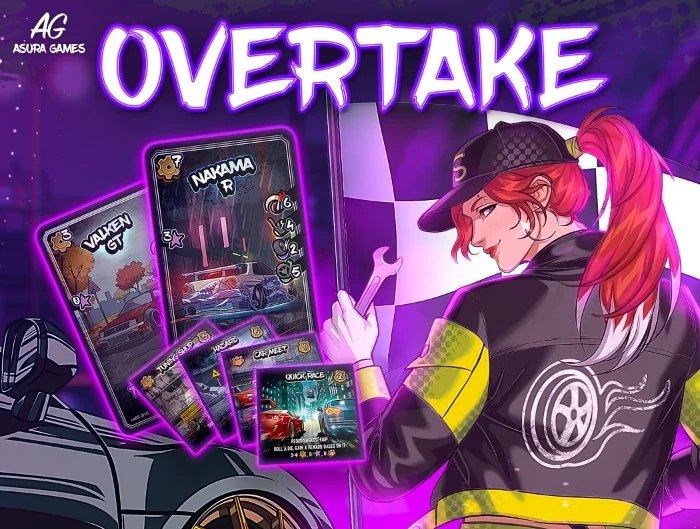
Asura Games is a specialist option for creators looking for artwork across several physical board game components. Its stated scope includes character illustrations, cards, boxes, and game boards, making it relevant to projects that need a connected visual identity rather than isolated commissioned images. A tabletop-focused artist network may also give smaller publishers a more direct route to commissioning artwork without building an internal art department.
The studio’s own project confirms capabilities of handling board and component design, and graphic design services extending to packaging, rulebooks, and typesetting. This broader scope matters when an art director wants the illustrations and functional design to support one another.
Key services:
Best for: Independent designers and smaller publishers commissioning coordinated illustrations for cards, characters, boards, and packaging.
Location: Brazil, according to the supplied studio brief
Team size: Small studio; exact headcount not publicly confirmed
Specialization: Card and character illustration for tabletop and card games
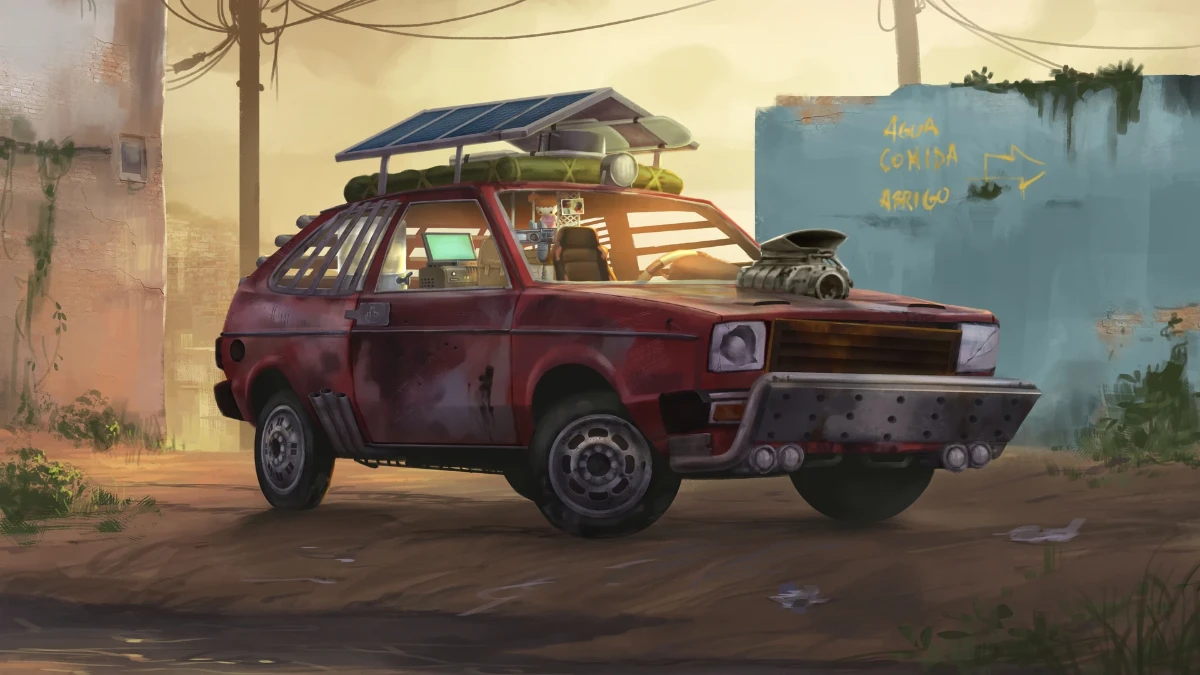
Storm Art Studio focuses on the illustration side of tabletop production, particularly characters and card artwork. That emphasis makes it worth evaluating for games where individual illustrations carry much of the identity of the product, such as fantasy card games, character-driven adventures, or compact tabletop titles built around illustrated decks.
Key services:
Best for: Card-based tabletop projects where original character art and individual illustrations are central to the player experience.
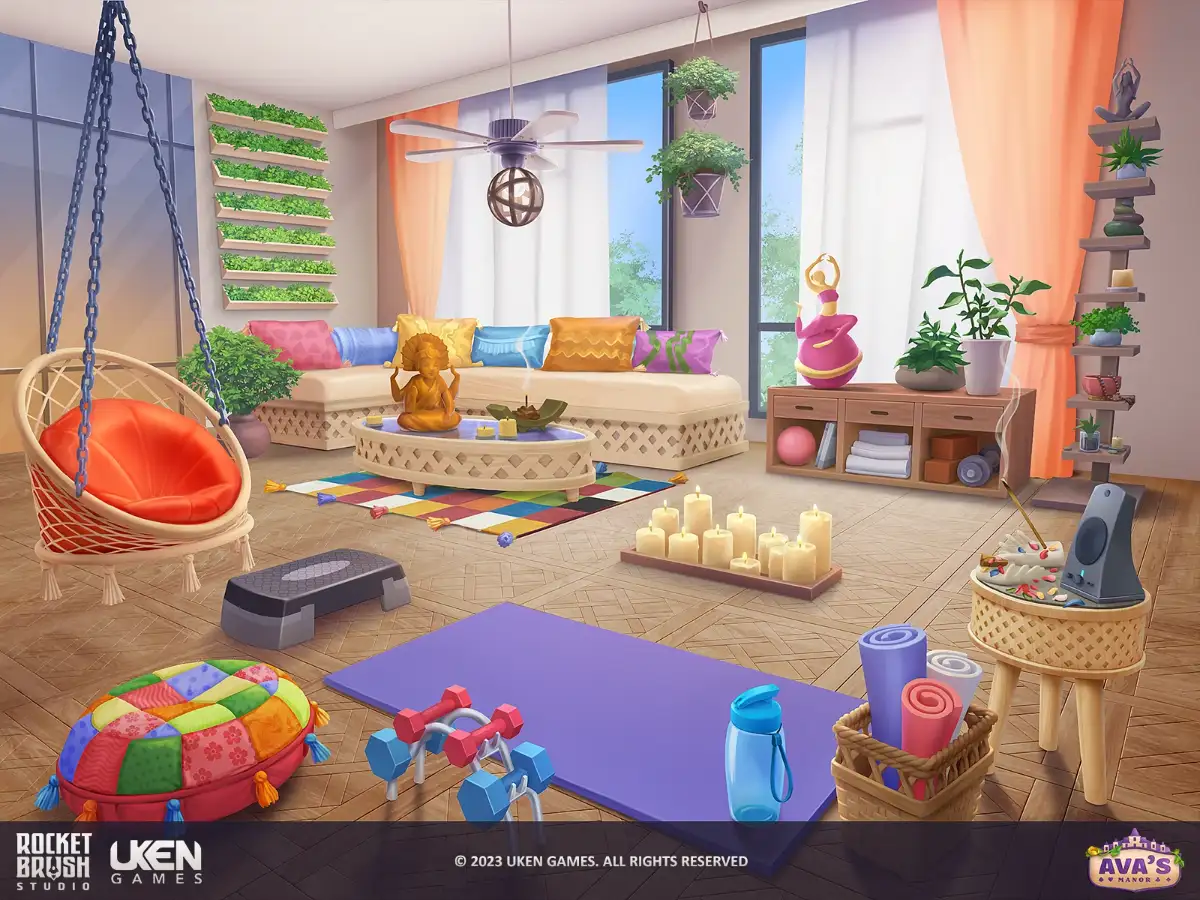
Board game cards share a lot with casual game assets. Discover the top casual game art outsourcing studios with our guide.
[[ref:op-casual-game-art-services-studios]]
Location: Buenos Aires, Argentina
Team size: Founder-led creative practice with collaborators; exact headcount not publicly stated
Specialization: Tabletop illustration, fantasy art, art direction, component design, and graphic layout
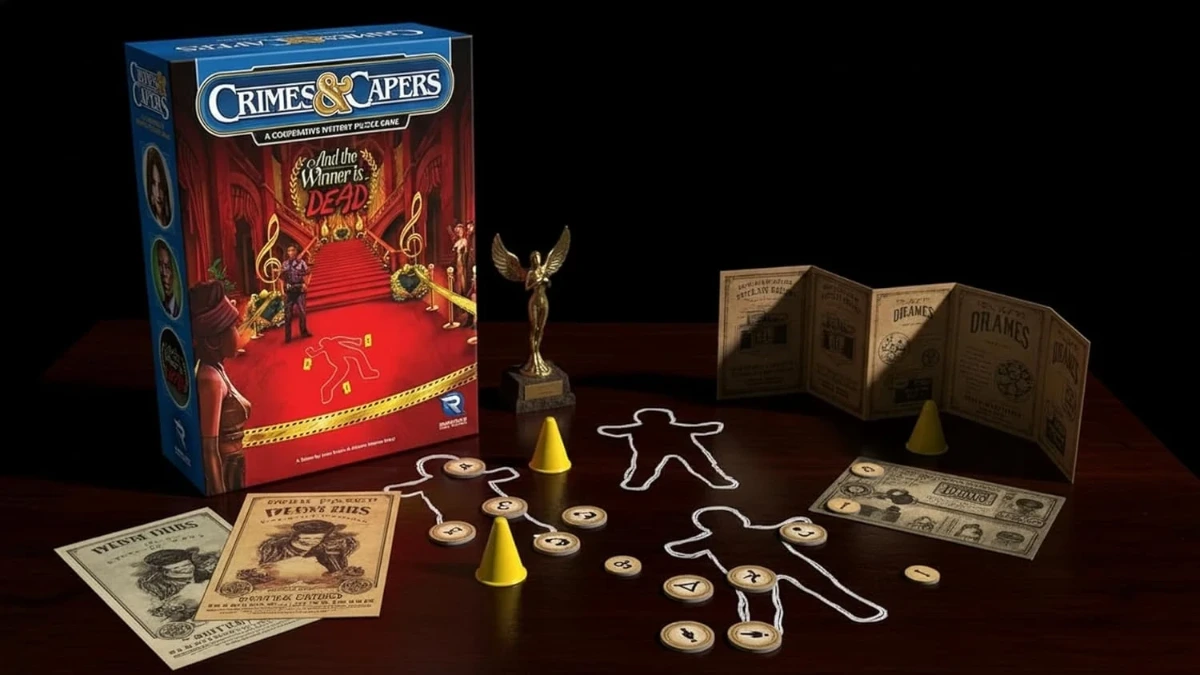
Velum Studio is one of the most directly relevant choices in this list because tabletop games are at the center of its public offering. Its portfolio includes work for popular tabletop and role-playing properties. The work covers creature and character illustrations, card art, covers, environments, and interior illustrations.
Velum describes a process that moves from briefing and concept exploration through production and delivery. It also explicitly lists print-ready files among its deliverables. Even so, publishers should document the required color profile, bleed, resolution, source file formats, and printer specifications rather than assuming every print requirement is covered by a general print-ready commitment.
Key services:
Best for: Tabletop publishers seeking a specialist partner for fantasy-heavy games, coherent component design, and illustration-to-print workflows.
Specialization: Tabletop game development, art direction, illustration, graphic design, prepress, and crowdfunding
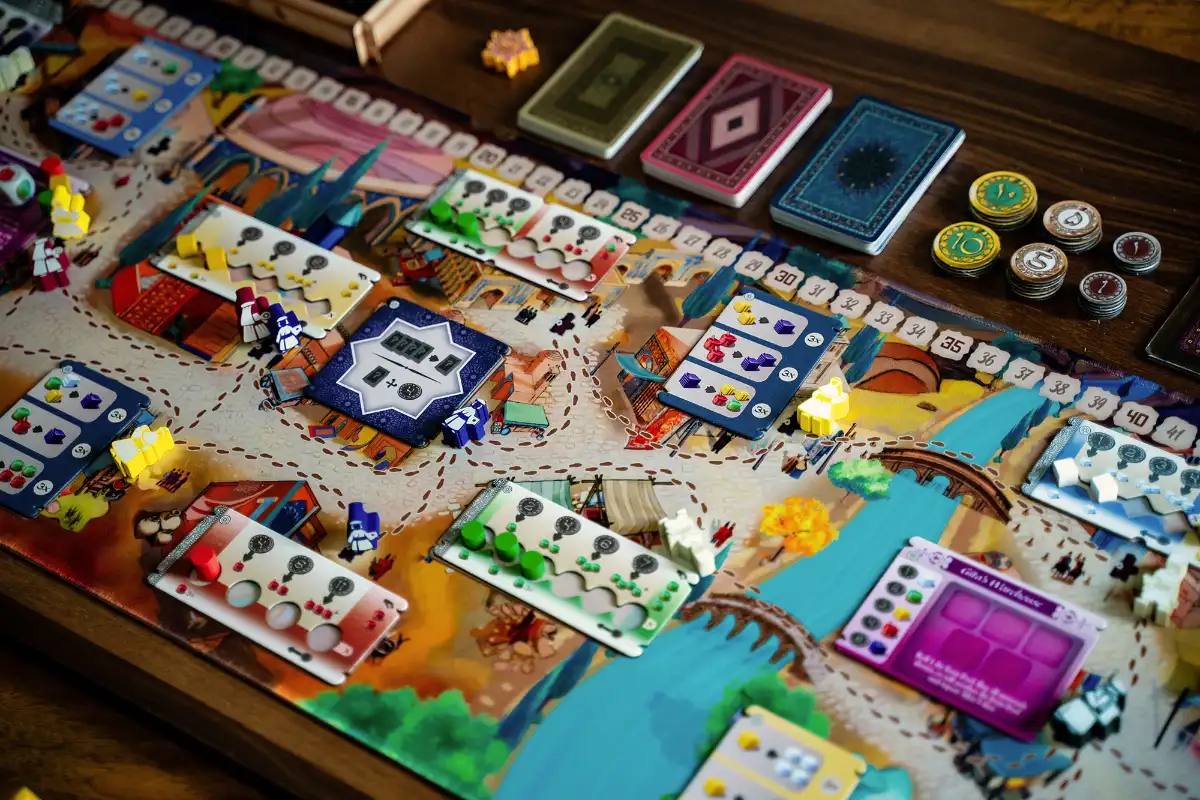
Quillsilver approaches tabletop projects as complete products rather than collections of illustrations. Its website reports experience with more than 100 tabletop games and products and describes a team with a combined 30 years of experience in the industry. Alongside illustration, the studio offers game development, product design, art direction, graphic design, prepress, and promotional assets.
The studio also reports experience with Kickstarter and other crowdfunding campaigns that have raised nearly US$6 million. That background may be useful for creators preparing campaign graphics, product renders, and promotional videos alongside the game itself. However, the reported total is a studio-wide figure, not a guarantee of funding performance for a new project.
Key services:
Best for: Tabletop creators who need artwork integrated with graphic design, product development, prepress, or crowdfunding preparation.
Founded: 2012
Location: United Kingdom
Specialization: Illustration and design for board games, cards, characters, and visual storytelling

Big Red Illustration offers custom board game illustration with an emphasis on bringing game concepts to life through characters, game boards, and card artwork. Its dedicated board game service page describes work across different visual directions, including detailed fantasy environments and more contemporary, streamlined illustrations for strategic card games. The company also reports more than 500 clients and over 5,000 projects across its wider business.
This breadth makes Big Red worth considering for publishers who need a flexible illustration partner. Nevertheless, the broader client and project counts are not specific to tabletop games, so the most useful evidence for a prospective buyer is the board game portfolio itself. Request examples that match the intended visual style, production volume, and age group of the target audience.
Key services:
Best for: Publishers seeking custom board, card, and character illustrations from an established illustration provider.
If you're exploring an external art team for your project, talk to us RocketBrush about your asset list, visual references, production schedule, and budget.
[[cta:Need game art for a board game?:Tell us about your project, and we'll assemble an art team capable of delivering print-ready designs.]]
Founded: 2012
Location: Kyiv, Ukraine
Team size: 100+ artists, according to the studio's public website
Specialization: 2D and 3D game art, character illustration, environments, and art outsourcing

RetroStyle Games is a larger production-oriented studio rather than a tabletop-only illustration specialist. Its portfolio and service positioning cover 2D and 3D game art, including character and environment work.
For a board game publisher, the attraction is potential production capacity. A project with a large card library, multiple character groups, extensive item art, and promotional assets may benefit from a structured team rather than a single illustrator. RetroStyle's experience with varied game genres could also be relevant to stylized, casual, or character-driven tabletop projects.
Key services
Best for: Larger tabletop projects with substantial illustration lists or a need for scalable 2D/3D art production, provided print-specific capabilities are established.
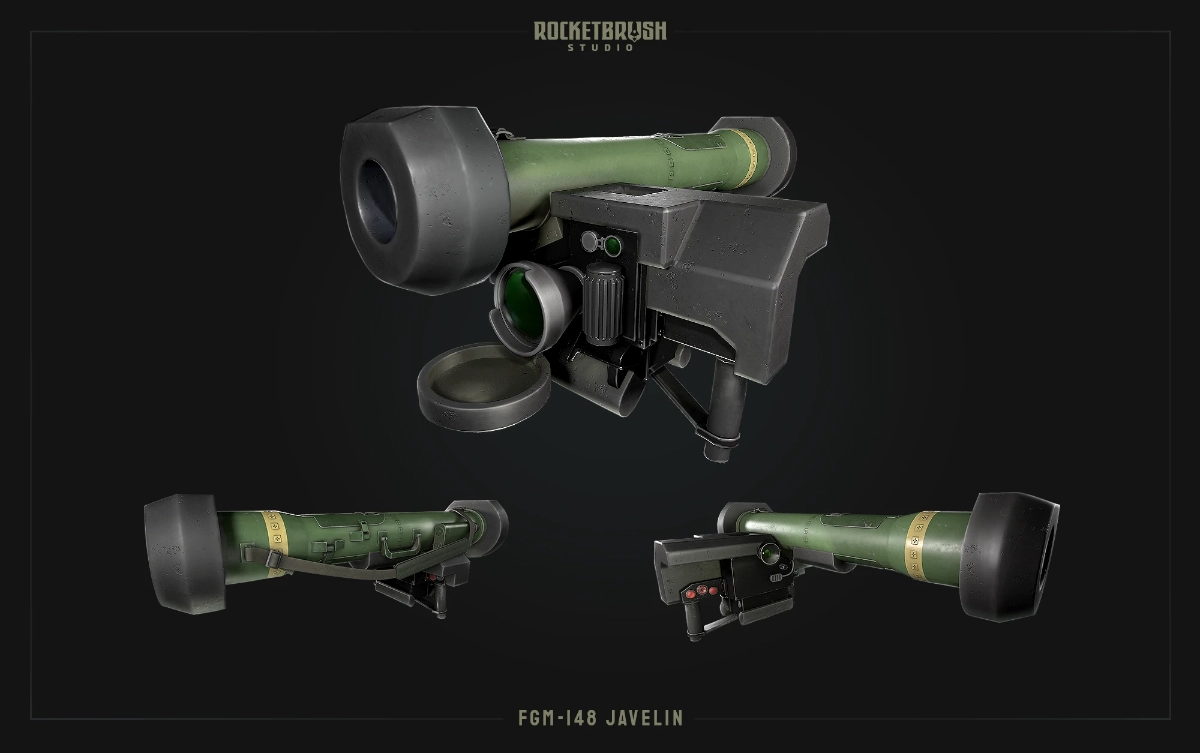
Historical or sci-fi, board games often require professional weapon design. Discover the best outsourcing studios for weapon art in our guide.
[[ref:top-studios-weapon-concept-art-design-games]]
Founded: 2013, according to company profiles
Location: Bengaluru, India, with an international business presence
Team size: Public company profiles report 300+ professionals
Specialization: Game development, concept art, character art, 2D/3D art production, and outsourcing
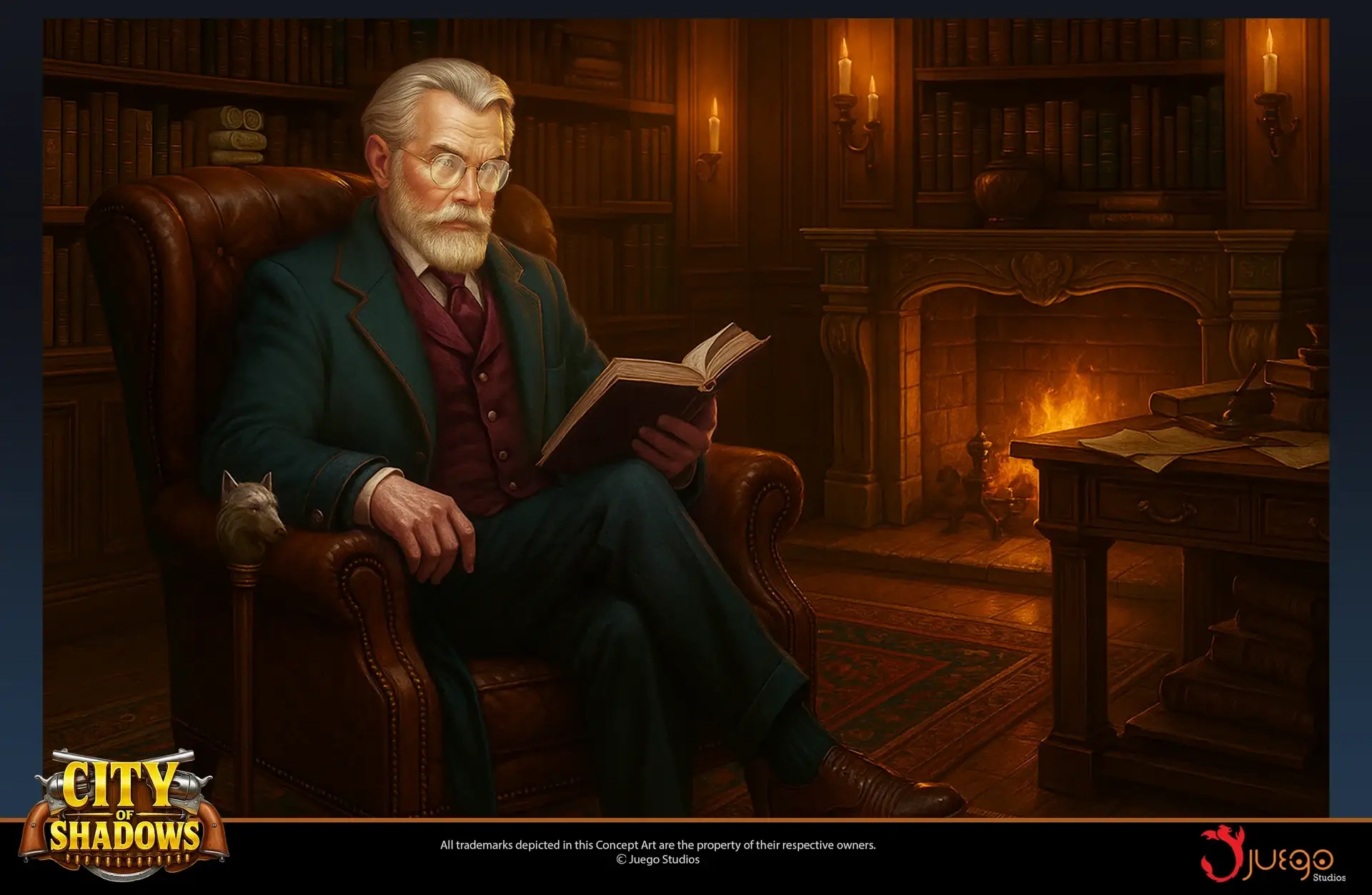
Juego Studios provides a broad range of game development and art production services, including concept art, character design, and 2D/3D assets. Its larger-scale positioning makes it a possible partner for publishers that need multiple kinds of visual content produced under one outsourcing arrangement. For a tabletop project, that could mean developing a visual direction, producing character and environment illustrations, and creating supplementary promotional assets.
Key services
Best for: Publishers with larger budgets and varied visual production needs who want to evaluate a multidisciplinary outsourcing partner for tabletop work.
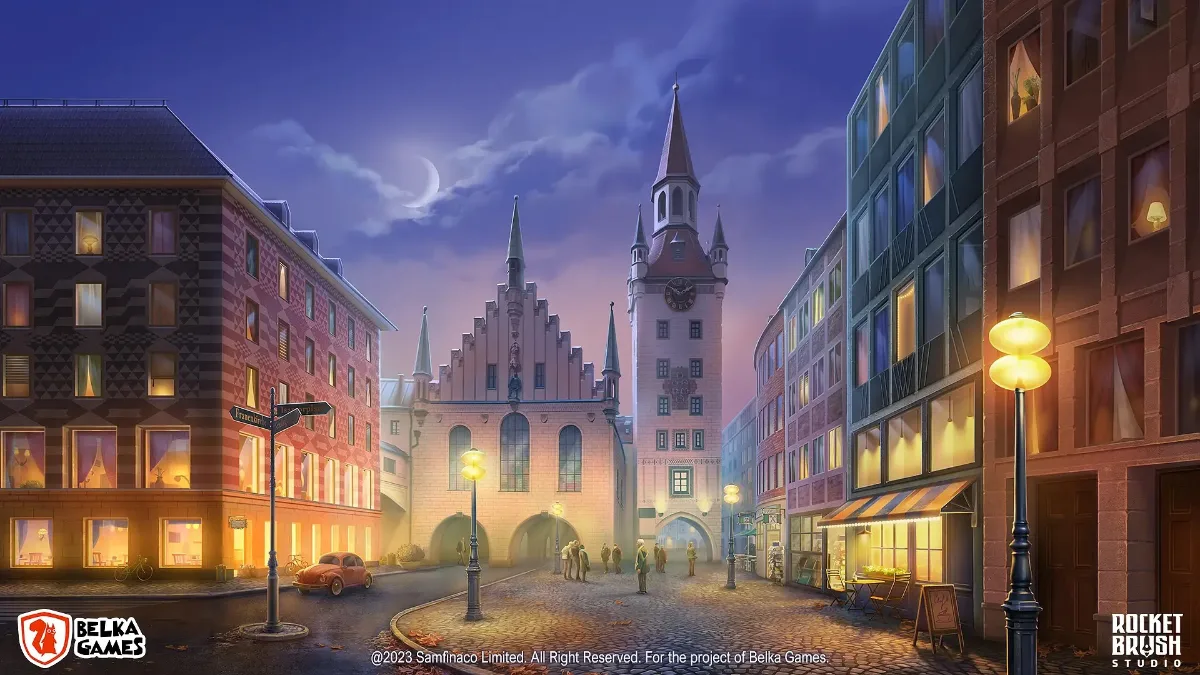
Game environments play an equally important part in video and board games. Learn the top studios for environment concept art and design from our article.
[[ref:top-studios-game-environment-and-concept-art]]
Choosing an illustrator for a board game requires more than matching a reference image. The production process must account for physical components, repeatable style decisions, and the practicalities of getting a game manufactured.
Ask to see complete projects, not just individual illustrations. A useful portfolio should show how art works across cards, boxes, boards, tokens, standees, or rulebooks. If a studio primarily produces digital game art, ask for a test that demonstrates how its work adapts to the dimensions and readability requirements of your components.
Confirm the final resolution, CMYK requirements, bleed and trim settings, color profile, file formats, and delivery of layered source files where needed. Ask whether the studio will use your printer's specifications and whether preflight checks are included. The printer's technical requirements should be the reference point; CMYK conversion alone does not make a file ready for production.
For decks containing dozens or hundreds of illustrations, agree on a style guide before full production. It should define palettes, line weight, rendering detail, perspective, lighting, character proportions, and composition rules. A paid test batch can reveal whether multiple artists can work consistently under the same art direction.
Agree on milestones for sketches, approvals, final art, revisions, and production files. If you're preparing a Kickstarter campaign, determine whether the studio can also create box mockups, product renders, reward graphics, and campaign visuals. Keep manufacturing deadlines separate from campaign launch dates, leaving time for revisions and printer checks.
The right partner depends on whether your priority is specialized tabletop experience, a complete publishing workflow, or the capacity to produce a large volume of artwork.
Before choosing, compare proposals against the same asset list, style references, revision allowance, usage rights, and delivery specifications. A low illustration quote may not include layout, prepress, or the additional art direction needed to keep a large game visually consistent.
Contact us at Rocket Brush to start working on your tabletop game.