menu
Close

GET IN TOUCH
Check what other game developers say about working with RocketBrush Studio:

BLOG
Low-poly art is a 3D art style, defined by a reduced polygon count, where models are built with fewer geometric faces to create simplified forms.
Despite its technical roots, low poly is not just a result of hardware limitations. Today it is widely used as a deliberate artistic choice because it supports readability, scalability, and distinct visual identity.
In this article, we’ll break down what low-poly art means, how it functions as a style and how it differs from low poly as a production approach.
In production, the term “low poly” is used in several different ways: to describe a separate visual style, modeling approach, and game-ready models. Each serves a different function and carries a specific goal. Separating the three is essential for clarity during production.
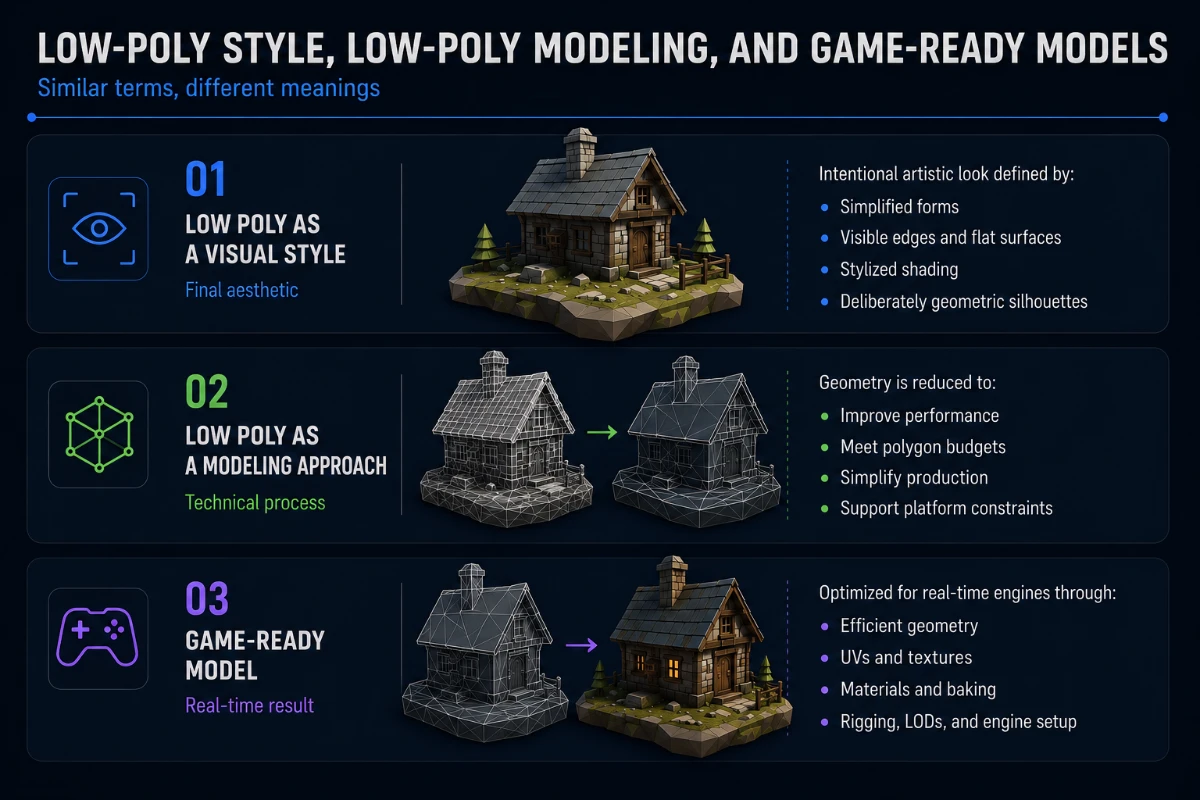
This distinction matters for both art direction and production planning. A project may require low poly modeling for efficiency, but not target a low-poly visual style. Conversely, a stylized low-poly look may be chosen even when hardware allows for more complex geometry.
If you want to know more about high- and low-poly modeling as production steps, check out our article.
[[ref:high-poly-vs-low-poly-models-for-your-game-how-to-choose]]
When woven into the style intentionally, low poly 3D art can increase readability in gameplay. It especially matters for mobile titles meant to be played on smaller screens. In some games, it also supports atmosphere and art direction. One of its main advantages is its flexibility across styles and genres. Let’s take a look at several examples of low poly use in real-life examples.
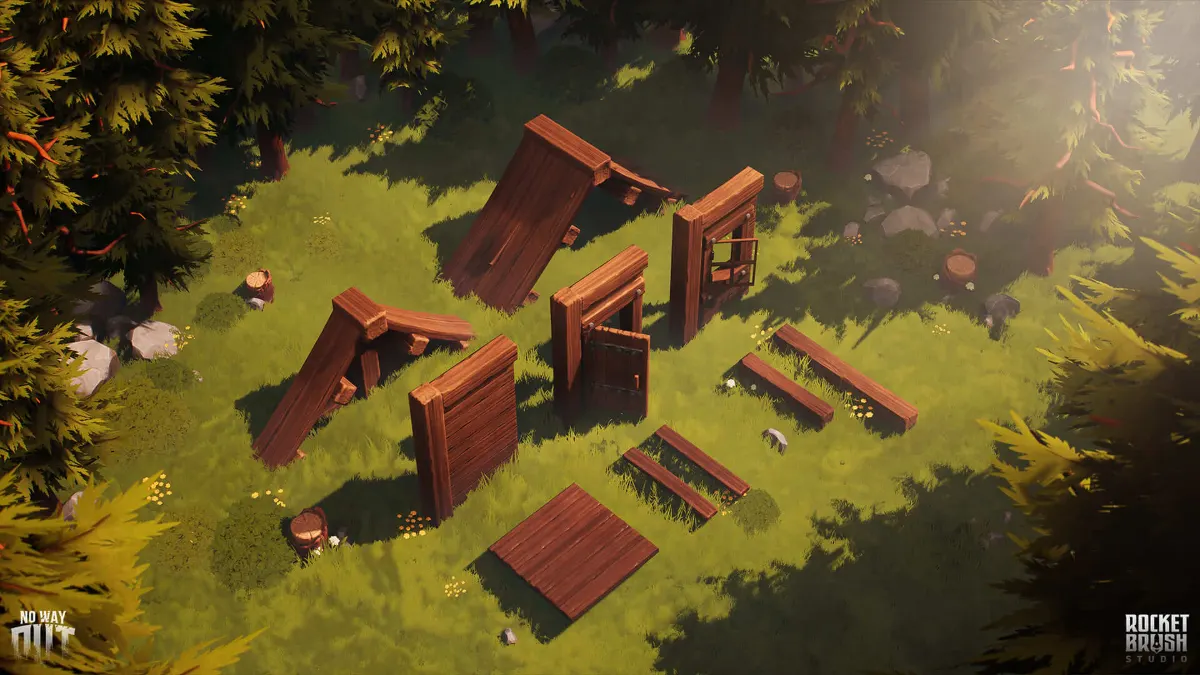
Colorful stylized low-poly relies on color and proportion. When it comes to characters, it focuses on personality rather than detail, but with assets used for the environment it’s all about stylization and highlighting the visual direction.
In No Way Out, we had to make sure the simplicity of modular assets made them easy to read, while recognizable shapes and bright colors help define every object. It’s especially relevant for the more peaceful locations, as it communicates the sense of reduced danger to the player.
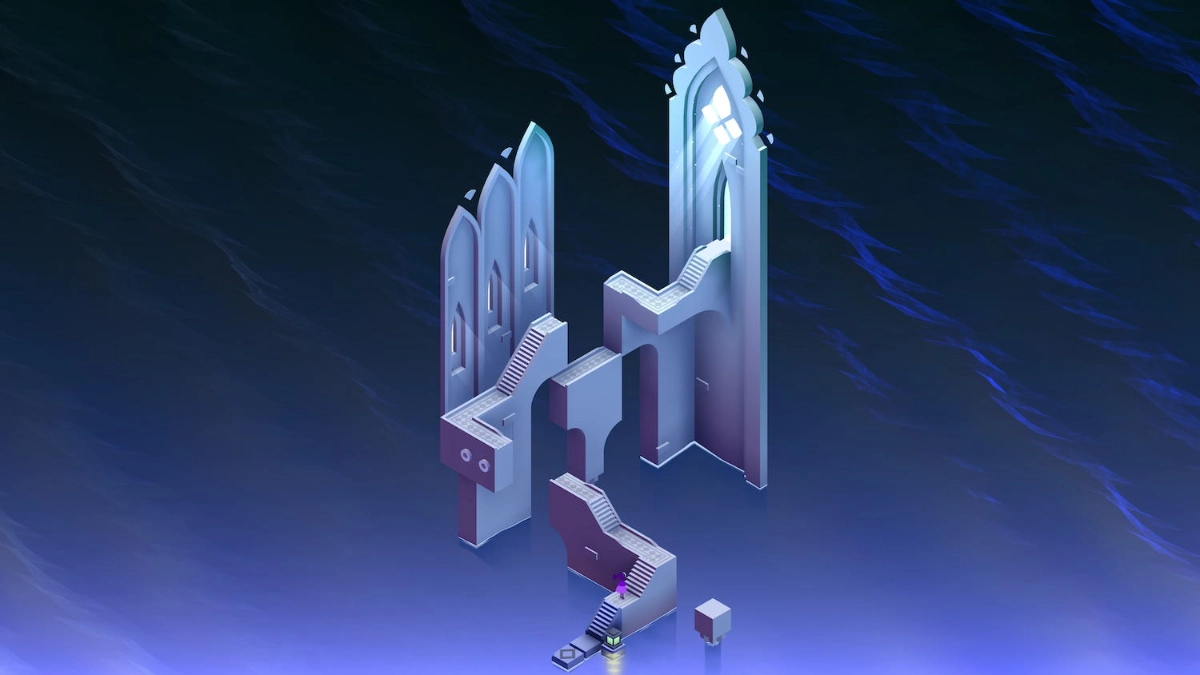
Clean geometric low poly art style is most recognizable in the Monument Valley series. The visuals in these low poly video games are built around structure and silhouette first. Textures are minimal and lighting is flat, which helps keep attention on composition and gameplay readability.
This approach allows environments to function like puzzles, where spatial relationships are immediately clear to the player. As a result, the style supports intuitive interaction and reinforces the calm, deliberate pacing of the gameplay.
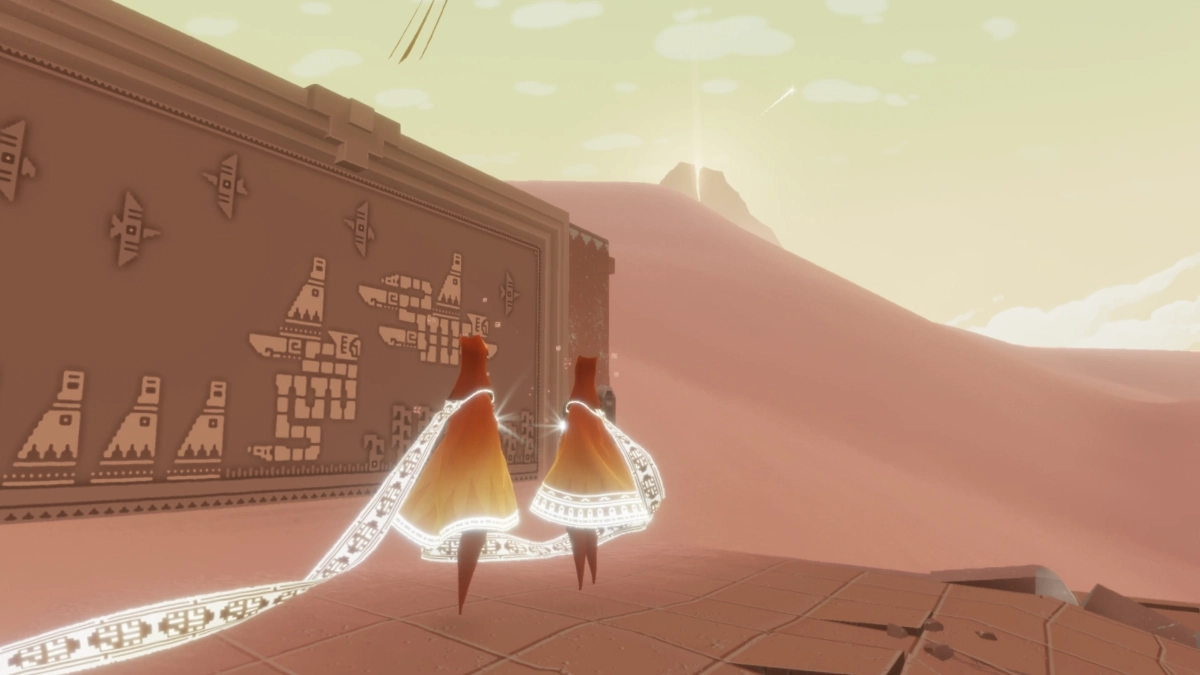
Minimalist or atmospheric low poly certainly applies to Journey, as the meditative and evocative atmosphere of the game is supported heavily by carefully controlled color palettes, soft lighting, and simplified forms that emphasize emotion over detail.
The sparse environments and stylized characters work together to create a sense of solitude, wonder, and subtle melancholy, guiding the player through an experience that feels both intimate and vast.
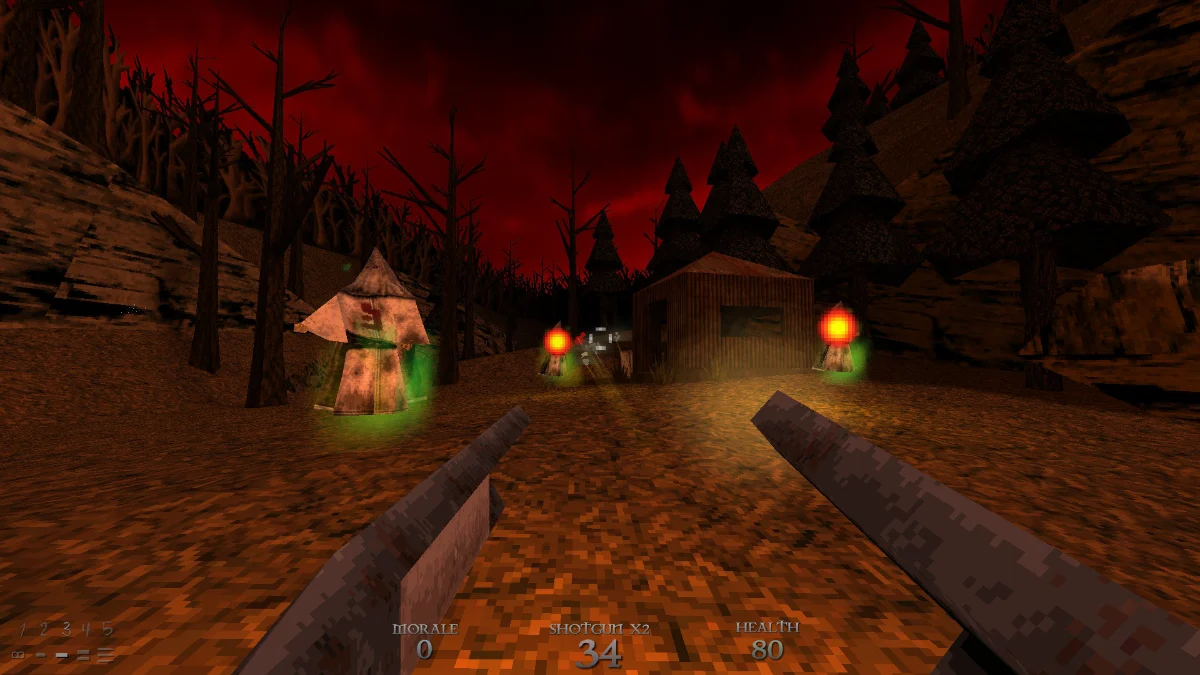
Retro low-poly game art, also called PS1-inspired art, uses imperfections intentionally. Be it texture warping, jagged edges, low resolution, they all create nostalgia and unease. Titles like Dusk, released in 2018, rely on this style.
These visual quirks are not technical limitations but deliberate choices that reinforce atmosphere and gameplay tone. As a result, the style often feels raw and immediate, enhancing tension and immersing players in a distinctly retro-inspired experience.
Low-poly games can also offer performance benefits, but it’s important to remember that fewer polygons don’t automatically equal better performance, as other factors (materials, lighting, draw calls) can significantly affect technical demands.
Low-poly art is often used in RPG titles and makes for interesting design choices when it comes to weapons. Learn more about RPG weapon creation from our article.
[[ref:rpg-weapons-types-examples-tips]]
Low-poly art works best when simplification is intentional, not accidental. The difference between a rough model and a compelling low-poly asset is in how visual decisions are controlled.
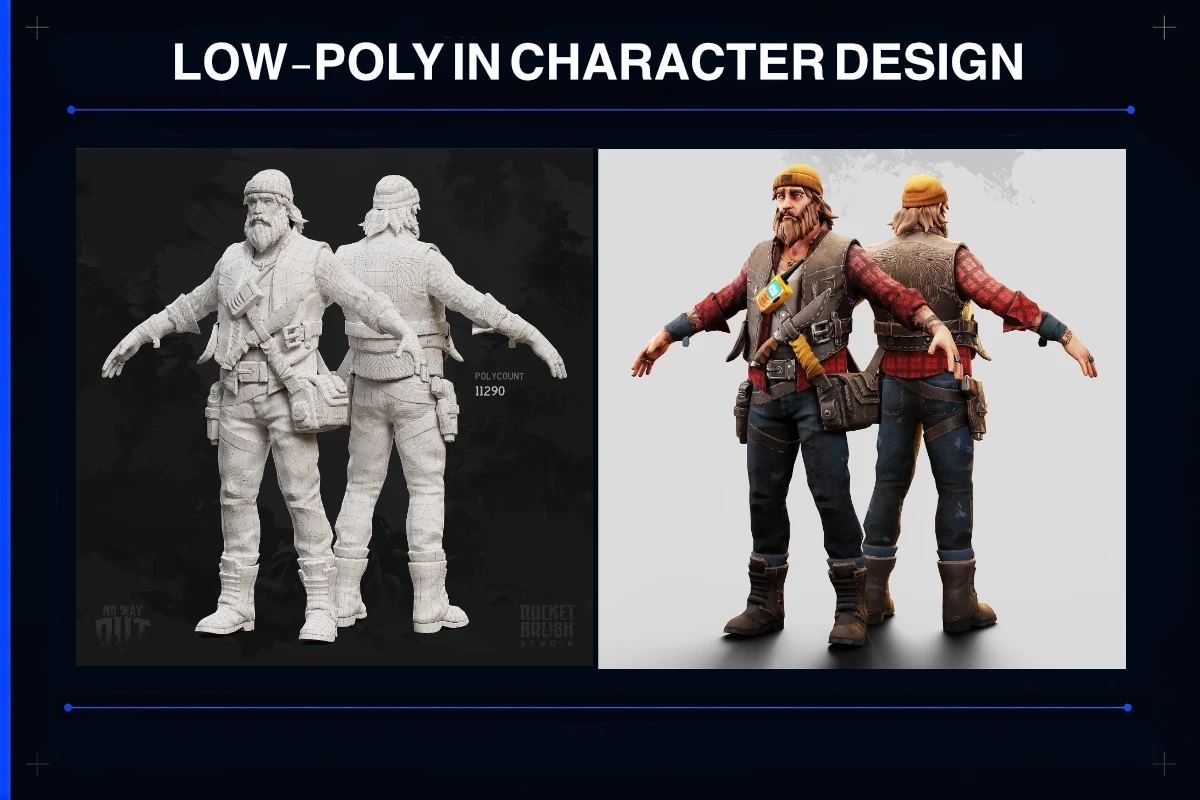
While developing our survival game prototype No Way Out, we designed the main character’s silhouette with the in-game camera angle and distance in mind. We chose stylized realism to soften graphic elements while preserving a sense of urgency. Subtle angular details in the hair and clothing reinforce the stylized look, while color and materials are optimized for readability, with worn textures adding to the character’s grounded feel.
That approach relies on several interconnected elements that make the final result look like a cohesive low-poly art style:
These elements are what turn technical limitation into a strength. The reduced complexity highlights structure and composition, building a cohesive visual language.
If you want your next project to include low-poly game assets that serve the narrative instead of just simplifying the technical load, reach out to our team at RocketBrush and we will match the design to your vision.
[[cta:Looking to create a low-poly game?:Let us know what your game is about, and we'll get together a production-ready art team with relevant experience.]]
Creating low-poly art starts with a clear visual intent, not with reducing an existing model. The goal is not to simplify the assets for technical reasons, but to support the narrative by selecting a more minimalist style.
Every step ensures that the final asset feels cohesive and consistent. When all elements work together to maintain the initial idea of the game’s visual style, that’s when low poly is done right.
Low-poly art is more than a technical limitation — it’s a flexible and intentional approach to both design and production.
Understanding the difference between low-poly as a style, a modeling method, and a game-ready asset is essential for making informed decisions in game development. Strong results come from deliberate simplification, where silhouette, form, color, and lighting are used with purpose.
When applied correctly, low poly supports readability, scalability, and stylistic consistency across a project. Its benefits extend beyond performance, making it a reliable tool for building clear, engaging, and production-efficient game visuals.
If you want to utilize low-poly style for your next game project, reach out to our team and we will make sure your idea is translated into stylish visuals.