Left

BLOG

Game Art Styles: Realism, Stylized Art, and Stylized Realism

Video game art styles often fall on a spectrum between realism and stylization, with stylized realism combining elements of both:

  • Realism aims to replicate the real world as closely as possible with natural proportions, believable lighting, and accurate materials. 
  • Stylized art intentionally departs from reality by simplifying, exaggerating, and reshaping visuals to create a more distinct artistic look. 
  • Stylized realism mixes both styles by blending believable detail with controlled artistic interpretation.

Each of the game art styles creates a different visual experience and serves a different gameplay, audience, and design goals. In this article, we dive deeper into what is stylized art, how realism works in games, and the distinctions between these styles to learn how to choose the one that suits your project.

Stylized vs Realistic Art: Key Differences in Visual Design

In most cases, it’s easy to distinguish a realistic art style from stylized art at a glance. But when it comes to production and platform requirements, the differences go deeper than visuals.
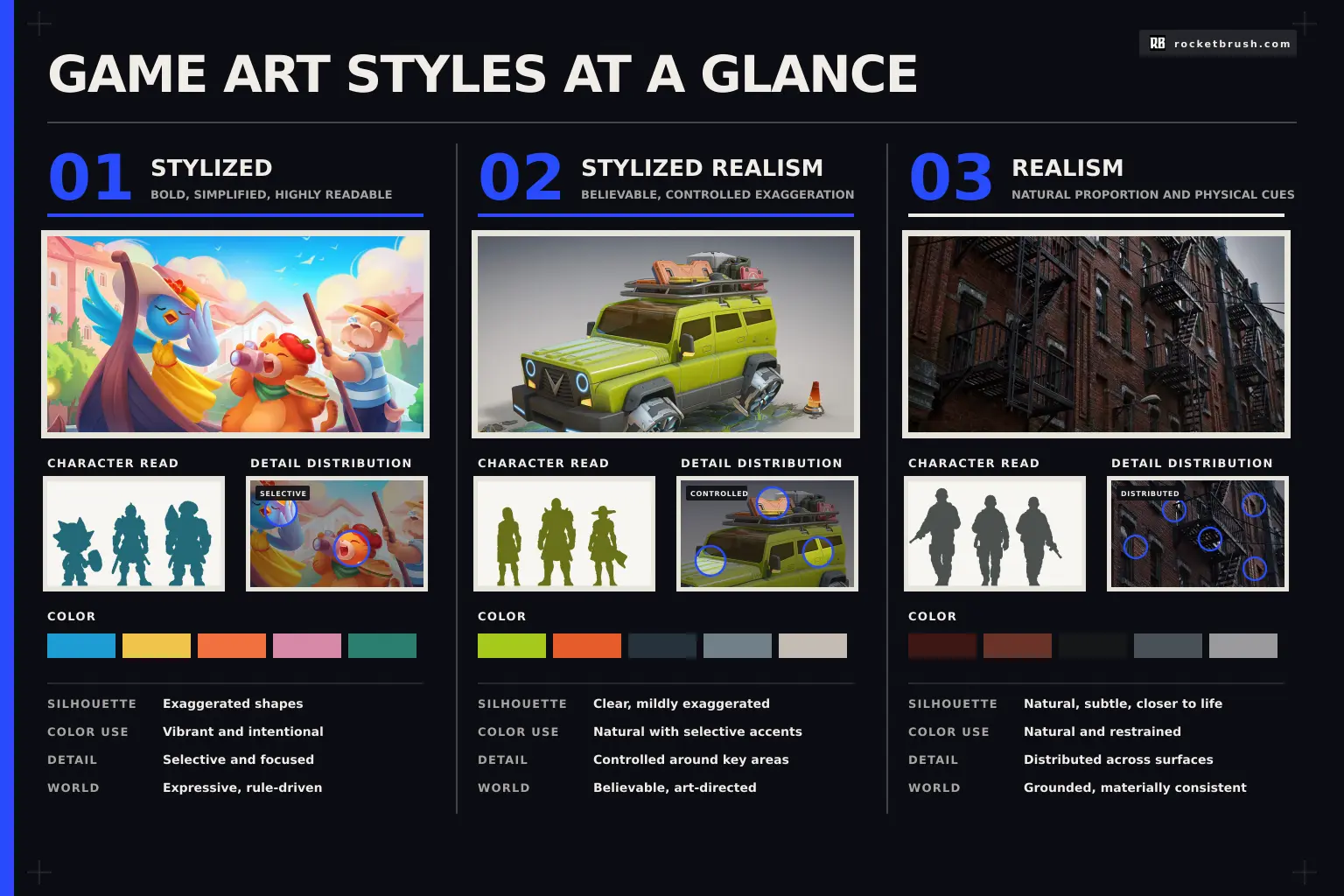
An infographic showcasing the differences between art styles.
Main differences between art styles in games.

Even without technical knowledge, players can see how game art styles differ in silhouette, color use, detail distribution, and world design. Stylized art relies on bold, readable shapes, selective detail, and more vibrant colors. Realism stays closer to lifelike proportions, natural colors, and evenly distributed detail, while stylized realism combines believable forms with controlled exaggeration.

The table below compares both the visual and production differences between the three styles:
Category Realism Stylized Stylized Realism
Core Idea Mimics reality Interprets reality Blends both
Shapes Natural Exaggerated Slightly stylized
Colors True-to-life Bold/artistic Enhanced realism
Detail Level High, natural Selective Controlled
Visual Feel Grounded Expressive Balanced
Platform Fit High-end PC/console Mobile, indie, broad devices Cross-platform, scalable
Production Challenge High cost, consistency, realism accuracy Style consistency, readability balance Balancing realism and stylization
Common Risk Uncanny valley, overproduction Over-simplification, lack of depth Visual inconsistency, unclear identity

Realistic Style: Lifelike Features and Grounded Design 

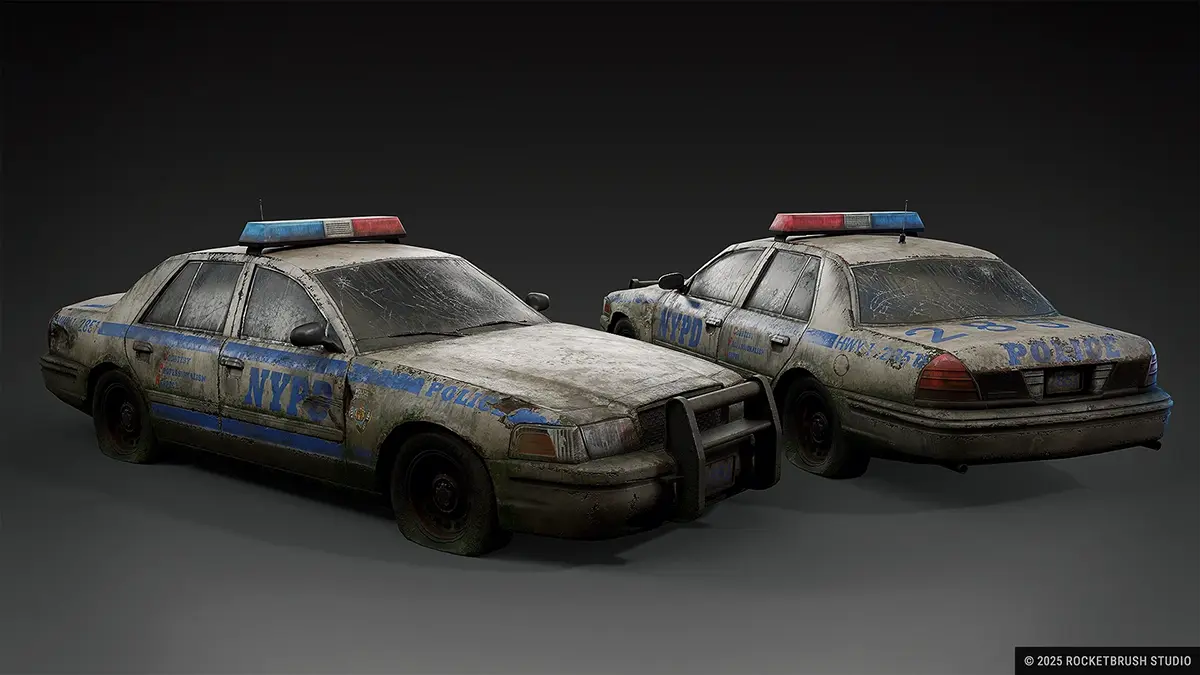
Realistic 3D police car model with detailed textures, reflections, and feel - by RocketBrush Studio
Realistic police car model designed by the 3D art team at RocketBrush Studio.

Realistic game art focuses on recreating the physical world with high accuracy. The goal of such art is to make players feel like they are looking into a believable, tangible environment.

Realism is visually defined by natural proportions and anatomy and focuses on physically accurate lighting and shadows. Because of that, for textures, artists use high-density real-world materials (metal, skin, fabric, etc.) and surface detail.
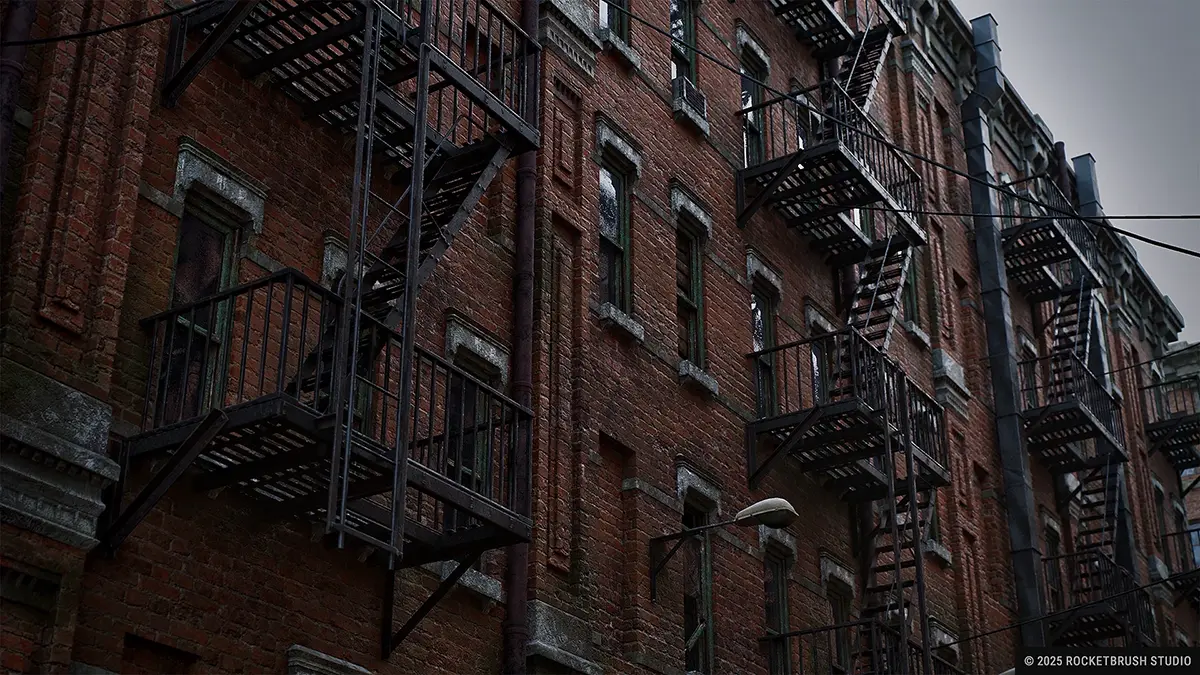
A lifelike abandoned brownstone designed for immersion in 3D – by RocketBrush Studio. 
A realistic New York building designed by 3D artists at RocketBrush Studio.

The decision to choose realism should be heavily supported by the story and the intent of the game: the style doesn’t fit every genre and every platform. The main risk here is delivering art that feels unfinished or not believable enough. To avoid this, you have to make sure that your expectations are clearly communicated, and the artist team has the means and the skill to deliver the result. 

Realistic style is common for grounded projects. It’s often used in AAA 3D titles that imitate realistic movement and physics, such as The Last of Us, Cyberpunk 2077, and God of War.  

Pros Cons
Highly immersive and believable Can feel generic without strong art direction
Familiar visual language — easy for players to read Risk of uncanny or overly “flat” visuals
Strong cinematic and narrative appeal Limited visual exaggeration and expressiveness
Works well for modern, historical, and grounded settings Ages quickly as technology improves
Market expectation for AAA genres (FPS, action, sports) Less distinctive if not executed at a very high level
Real-world references simplify direction High production cost and time

Stylized Art: Exaggeration and Vivid Archetypes

Three cartoonish characters stylized for readability and recognition by RocketBrush. 
Stylized cartoonish characters created by RocketBrush for Puzzle Solitaire. 

Stylized art style moves away from realism to create a more artistic interpretation of the world. In creating stylized images, artists rely on simplified or exaggerated shapes and work with bold color palettes and strong contrast. 

Stylization art requires clear silhouettes that highlight character archetypes and allow for graphic readability. It’s especially relevant if we are talking about games that are meant to be played on a smaller screen. 
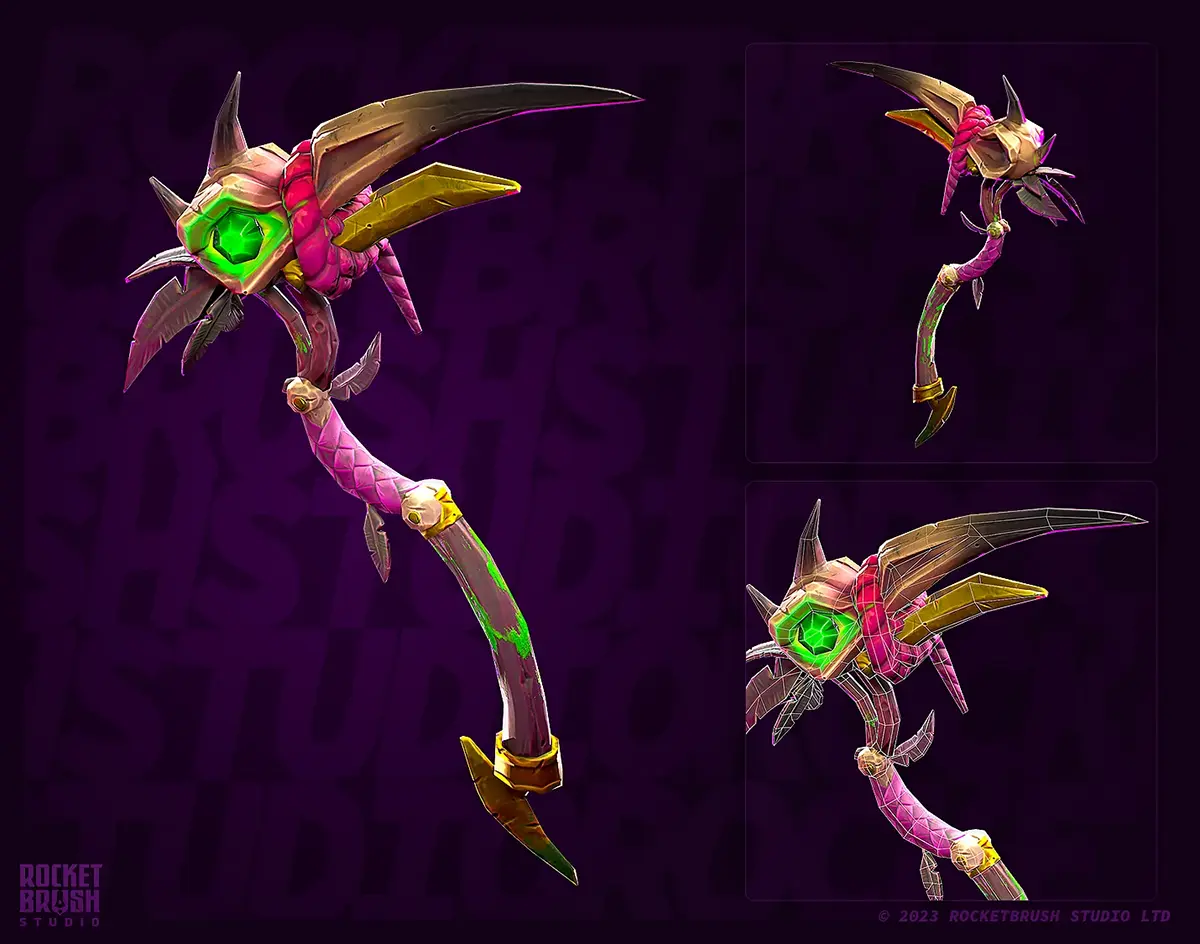
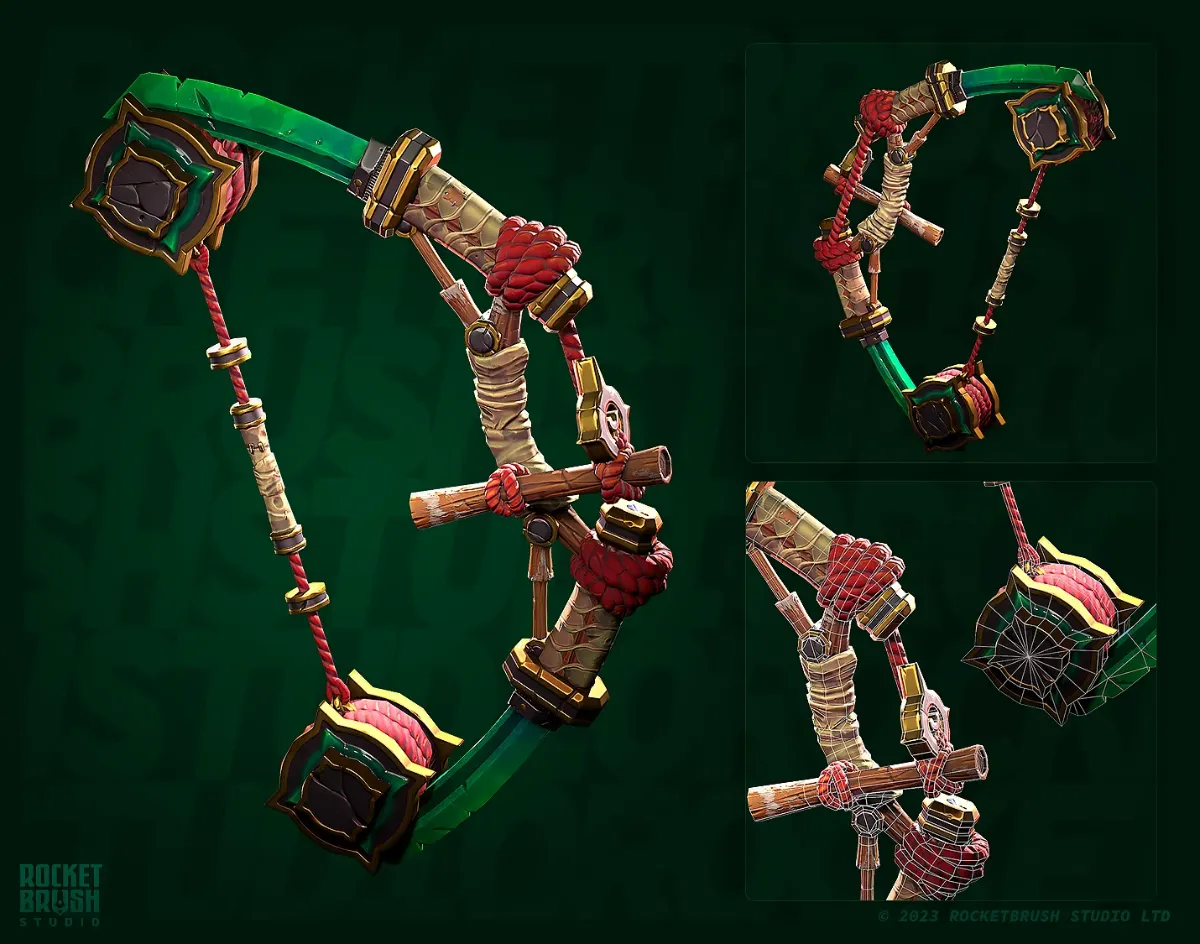
A 3D model of a bright and colorful game prop, with a distinct design – RocketBrush Studio. 
Colorful stylized fantasy weapon designed by RocketBrush Studio.

One of the risks of this approach is overloading the screen with small elements that are hard to recognize, especially in fast-paced gameplay. To avoid this, the game should be tested thoroughly, and the UI, as well as the HUD, must complement the game world.

A key requirement for stylized art is consistency in artistic rules. It’s one of the most common looks for indie, mobile, and platformer titles. Games like Puzzle Solitaire, Gris, Astro Bot, and others choose stylization art for recognizable visuals, easy characterization, and a cozy feel.  

Pros Cons
Instantly recognizable and memorable Can feel too abstract for some audiences
Strong readability, especially in gameplay Style can overpower realism or logic
Freedom to build unique visual worlds Requires strict consistency to feel cohesive
Ages well visually Less reliance on references
Lower production complexity compared to realism Risk of oversimplification
Works well across platforms, including mobile Harder to market if style is too niche

Because stylized art relies heavily on shape, proportion, and color, these choices are especially important in character design. Our guide explains how to choose a character art style that fits your game’s genre, story, and production goals:

[[ref:the-ultimate-character-art-style-guide-for-artists-and-developers]]
Stylized Realism: Balanced Detail with Artistic Interpretation

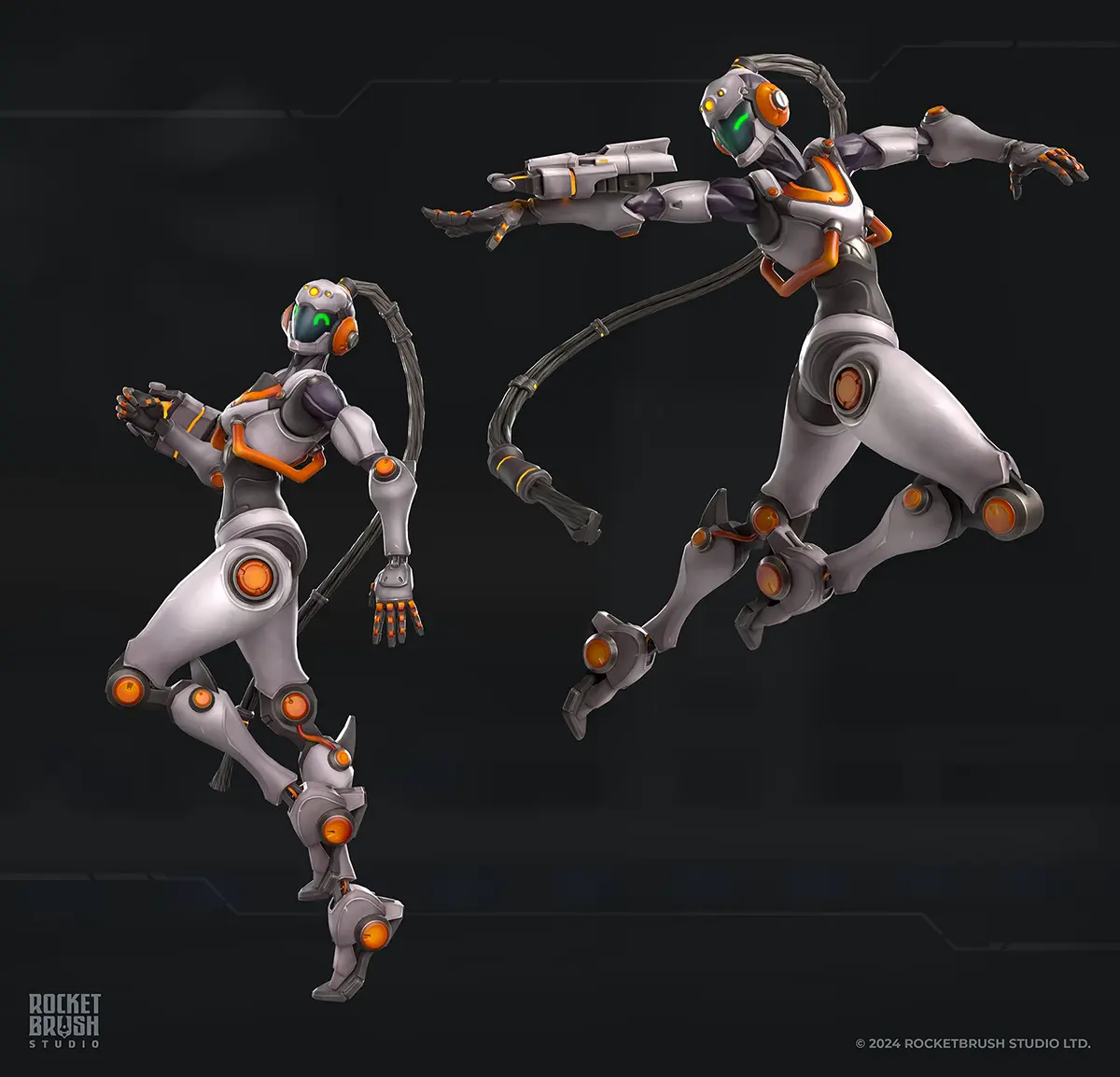
A character with semi-realistic proportions designed by RocketBrush Studio art team. 
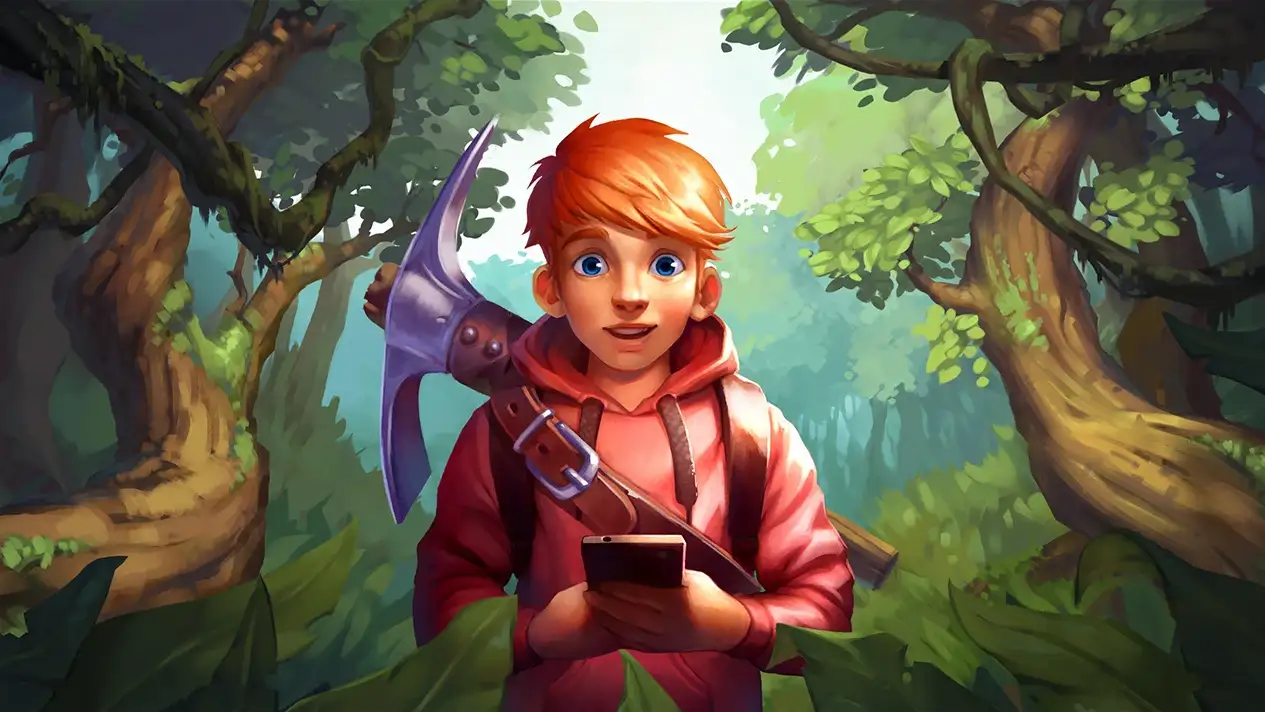
Semi-realistic proportions and look of the character Cyro Coda created by artists at RocketBrush.

Many popular PC games and console titles fall into this category. Stylized realism blends believable structure with artistic control. It allows for creating worlds that feel immersive but don’t necessarily remain grounded. 

This style is defined by a realistic foundation (proportions and materials) mixed with controlled exaggeration in shapes or color. It requires careful guidance and an intentional level of detail. Consistency in the artistic interpretation plays a special role, as the look of any game should be unified. 
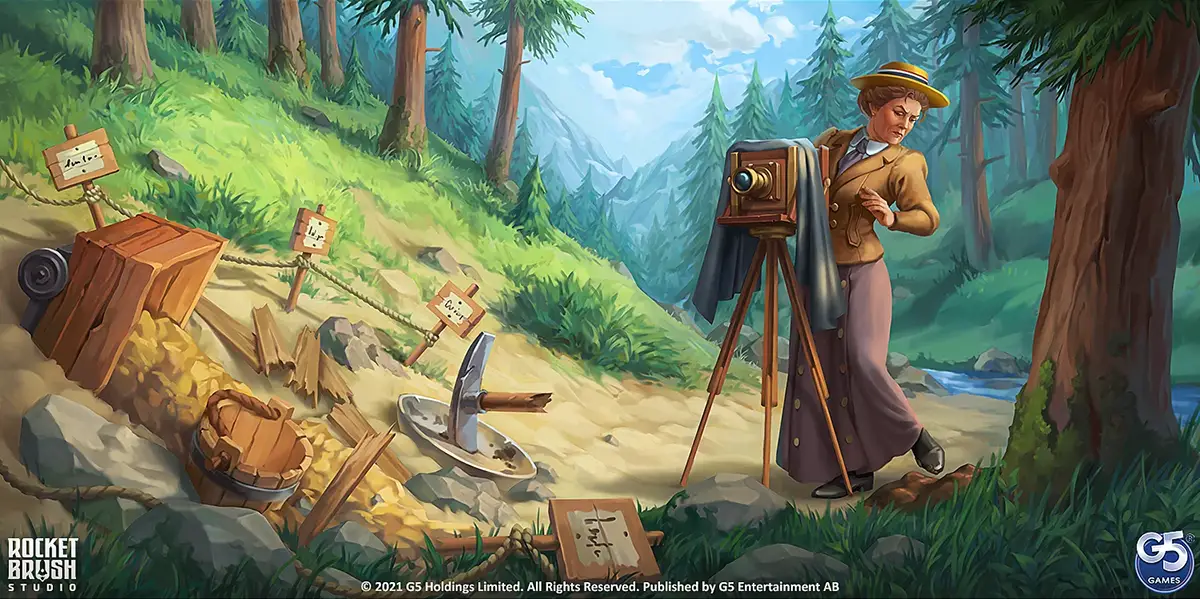
A character with realistic proportions and exaggerated features – by RocketBrush.
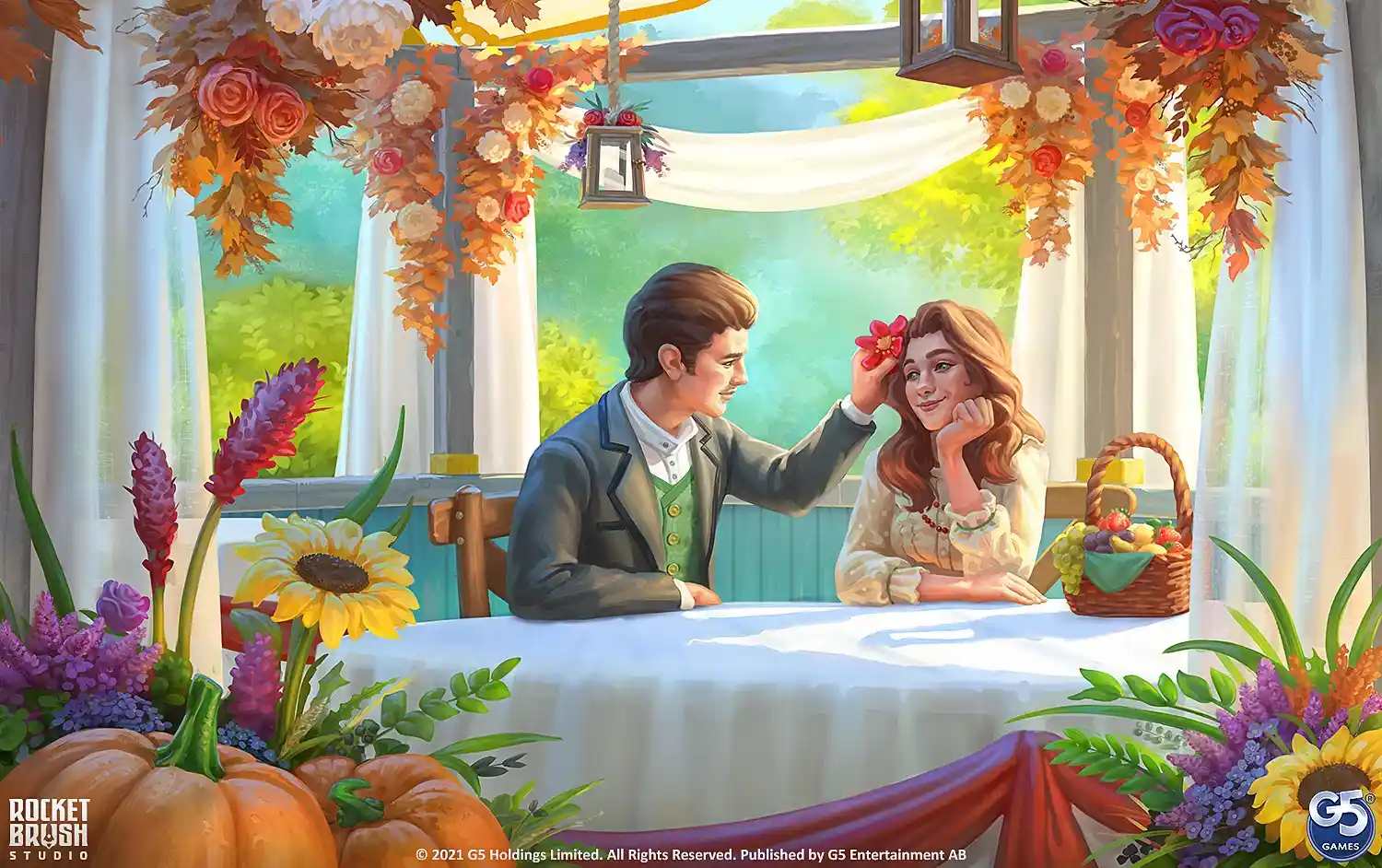
Type Stylized realism in the art for the game Jewels of the West, designed by RocketBrush Studio.image caption here (optional)

Stylized realism fits both 2D and 3D projects, and it works best when supported by the narrative of the game itself. 

This style is common in both AAA and indie titles. Popular games like Overwatch or Marvel Rivals rely on this style, but it’s also common for narrative releases like Dispatch and mobile projects such as Jewels of the Wild West.

Pros Cons
Visually rich while still expressive Can lack a strong identity if over-balanced
Broad appeal across audiences Sometimes hard to distinguish from pure realism
Flexible across genres and gameplay styles Requires careful and consistent art direction
Maintains readability while keeping detail Risk of looking in-between styles without its own identity
Allows for more visual distinction Limits uniqueness
Easier in production than full realism More demanding in production than stylization

Choosing between realism, stylization, and stylized realism affects more than the game’s appearance. It shapes how assets are produced, reviewed, optimized, and scaled across the project. When outsourcing game art, the right production partner can help turn that visual direction into a consistent set of game-ready assets.

[[cta:Need Game Art That Matches Your Style?:Share your references, platform, and scope. We’ll build the right team and pipeline to produce consistent assets at scale.]]

Popular Game Genres and Their Common Visual Styles

Depending on the type and genre of the game, players usually expect a specific look. Subverting such expectations is possible, but it has to be done carefully — there are no strict rules, although certain game art styles naturally align with certain genres:

  • Realism: shooters, simulations, sports games
  • Stylized art: platformers, mobile and casual games, indie titles
  • Stylized realism: action-adventure, RPGs, hybrid genre games

These patterns are useful starting points, but an unexpected visual style can also support gameplay when chosen deliberately. The Unliving, a rogue-lite action RPG we developed from scratch, is one such example.
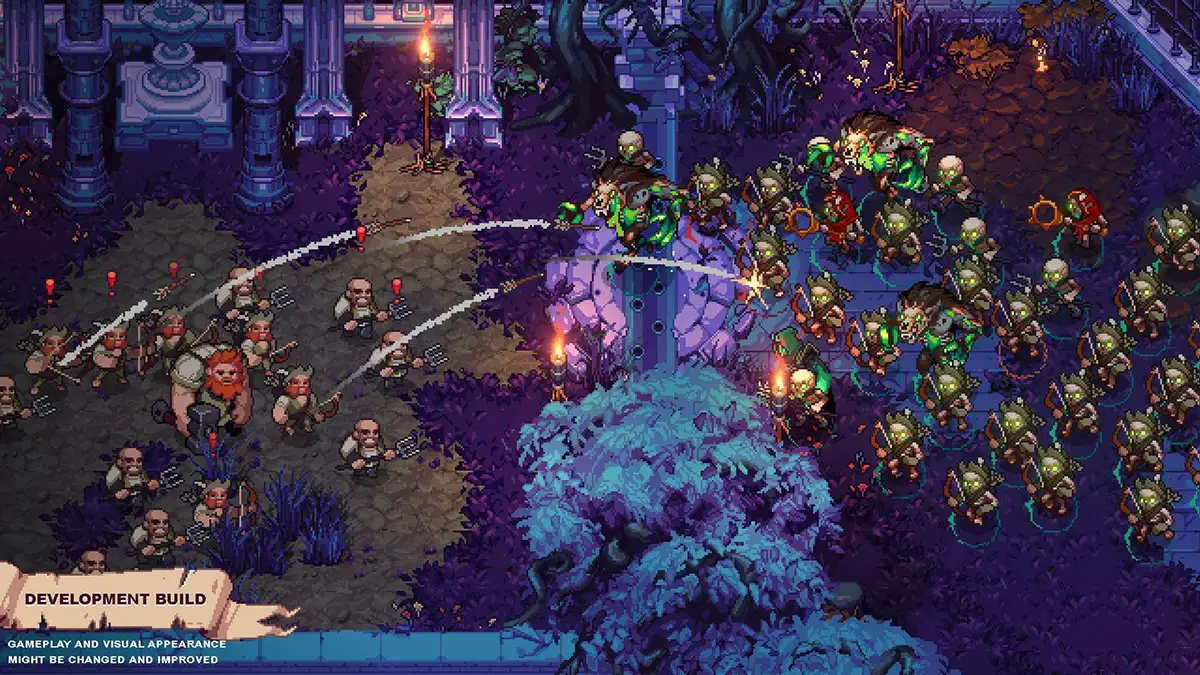
A gameplay screenshot with pixel art in a game developed by RocketBrush Studio
Stylized pixel art for the game Unliving developed and designed by RocketBrush Studio.
When working on The Unliving, we chose stylized pixel art for gameplay and semi-stylized visuals for promotional art. This style might not seem like the most obvious choice for the game’s mechanics, but exaggerated shapes help differentiate characters and factions, while pixelated graphics create a sense of nostalgia.

Pixel art is only one of several 2D game art styles. Our guide compares the most common approaches, from pixel art and isometric art to realistic 2D visuals:

[[ref:best-2d-video-game-art-styles-from-pixel-art-to-isometric-and-realistic-games]]
How to Choose the Right Art Style for Your Game

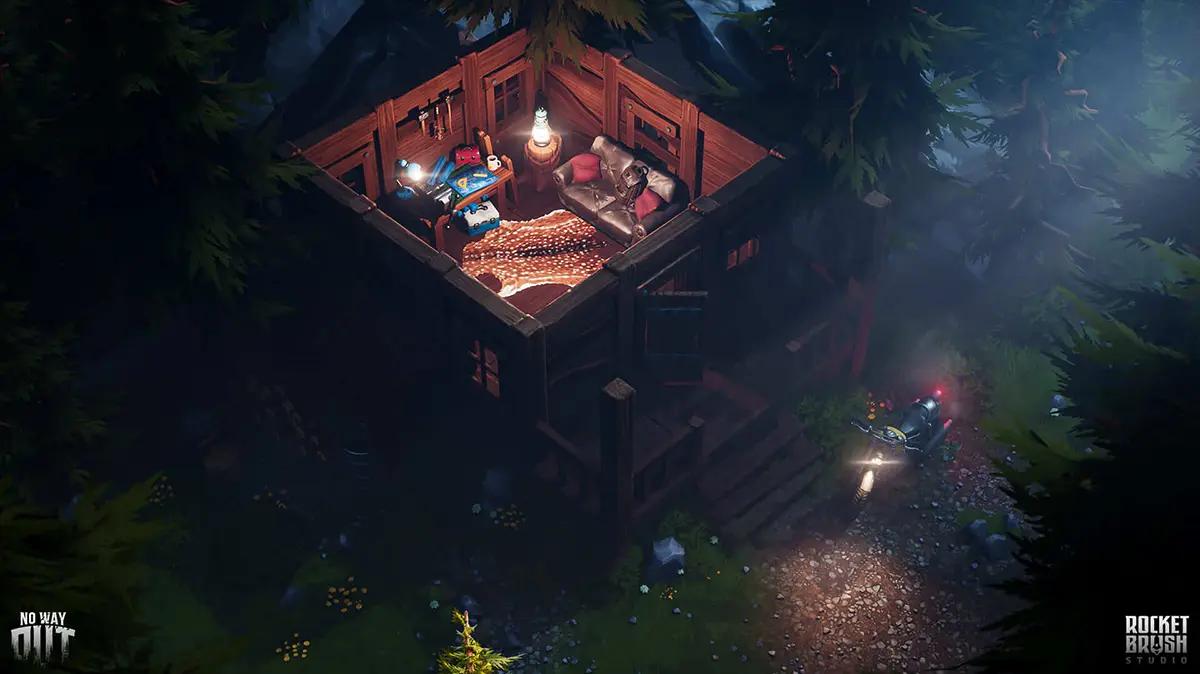
An example of a game environment designed by RocketBrush Studio.
A still from No Way Out, a game prototype created in a stylized realism style by RocketBrush Studio.

Choosing between video game art styles is not only a matter of preference. The visual direction should support the game’s genre, platform, audience, gameplay, and intended player experience.

  • Consider genre and player expectations. Competitive games usually prioritize readability and clear silhouettes, where stylized art or stylization art can work well. Narrative-driven projects may benefit from the atmosphere and visual depth of a realistic style or stylized realism.
  • Account for platform and technical requirements. Mobile games often need clear shapes and controlled detail for smaller screens. PC and console projects allow more flexibility across realistic, stylized, and hybrid game art styles.
  • Define the target audience. Casual players often respond well to approachable visuals, while experienced or hardcore audiences may expect greater detail, complexity, and immersion.
  • Prioritize gameplay readability. Camera distance, UI integration, and gameplay speed affect how clearly characters, actions, and key objects read in motion. Stylization often helps maintain clarity in fast-paced gameplay.
  • Build a distinct visual identity. A strong realistic art style, stylization, or hybrid direction can help establish the game’s tone and make it more recognizable. In character-driven games, silhouettes, proportions, colors, and materials often define visual rules for the wider project.

For a more detailed selection process, see our guide to choosing an art style based on your project goals and production requirements:

[[ref:how-to-choose-art-style-for-your-game]]

FAQ: Understanding Stylized Art and Game Visual Styles  

What Is Stylized Art in Games?
Stylized art is a visual approach that intentionally moves away from realistic representation by simplifying, exaggerating, or reshaping forms, colors, and details. In games, stylized art helps create distinctive worlds, improve readability, and establish a memorable visual identity.
What is the main difference between realistic and stylized game art?
Realistic style aims to replicate the real world with accurate proportions, lighting, and materials, while, as stylized art definition suggests, this style simplifies or exaggerates these elements to create a more distinct and expressive visual identity.
What is stylized realism in games?
Stylized realism combines realistic structure with artistic adjustments. It keeps believable proportions and materials but enhances shapes, colors, or details for clarity and visual appeal.
Is stylized art better than realism?
Neither is better. The right choice depends on the game’s goals, genre, platform, and audience. Stylized art often improves readability, while realism enhances immersion.
Why do many modern games use stylized realism?
Stylized realism offers a balance between clarity and immersion. It works well across platforms, appeals to a wide audience, and allows flexibility in both gameplay and visual design.
Which art style is best for mobile games?
Stylized art is often the best fit for mobile due to smaller screens and performance constraints. It provides clearer visuals and better readability during gameplay.
What are the risks of using realistic style in games?
Realistic art can become expensive to produce, may fall into the uncanny valley, and risks looking generic without strong art direction.
How does art style affect gameplay?
Art style directly impacts readability, player focus, and overall experience. For example, stylized visuals can make fast-paced gameplay easier to read, while realistic visuals can deepen immersion in story-driven games.

Final Takeaway: Choosing the Right Game Art Style for Your Project

Realism, stylization, and stylized realism are not competing approaches — they are tools for shaping player experience.

  • Realism grounds the player in a believable world
  • Stylization art creates strong identity and clarity
  • Stylized realism balances both for broader appeal

The right choice is not realism vs stylization, because no style is essentially better. The choice depends on what your game needs to communicate, because the style determines how it does it.

At RocketBrush, we help game developers find a visual style that fits their project and goals. If you're exploring options for your next game, feel free to reach out to our team. 

Create with us
Contact us, and we'll craft the perfect game art for your project
Get In Touch
See also:
Up