menu
Close

GET IN TOUCH
Check what other game developers say about working with RocketBrush Studio:

BLOG
Alchemy is a mixture between science, magic, and craftsmanship. It’s not quite spellcasting, because alchemy asks players to work for their results. You gather herbs, grind minerals, combine ingredients, test recipes, and learn what happens when different substances interact. Sometimes you discover a valuable elixir. Sometimes you create something dangerous.
Alchemy games are appealing to various players, from fans of cozy shop simulators to puzzle enthusiasts and roguelike explorers. Some titles make potion brewing a tactile craft, while others turn it into a complex system of resource management, physics, or automation.
In this article, we explore the best alchemy titles for 2026, from fantasy-heavy games to whimsy simulators.
The strongest games about alchemy treat it as a meaningful activity around experimentation: discovering ingredients, learning recipes, adjusting processes, and deciding what to do with the results.
A good crafting system also gives players room to make mistakes. Unknown ingredients become opportunities for investigation, failed experiments teach useful lessons, and a newly discovered formula can open up an entirely different strategy.
There are several approaches to alchemy in games:
The best approach, though, depends on what you want from the experience. If you enjoy a slow, hands-on workshop, choose a simulator. If you prefer unexpected interactions and risk, try a roguelite. For players who enjoy planning and optimization, alchemical engineering may be the better fit.
Our selection covers seven main games, beginning with Ways of Alchemy, developed by RocketBrush Games, followed by four additional titles worth exploring. We've also included recommendations for players looking for games similar to Potion Craft, Noita, and Opus Magnum, plus fantasy RPGs with satisfying potion-making mechanics.
Genre: Indie, RPG, Simulation
Developer: RocketBrush Games
Release date: August 22, 2025
Platform: PC (Steam)
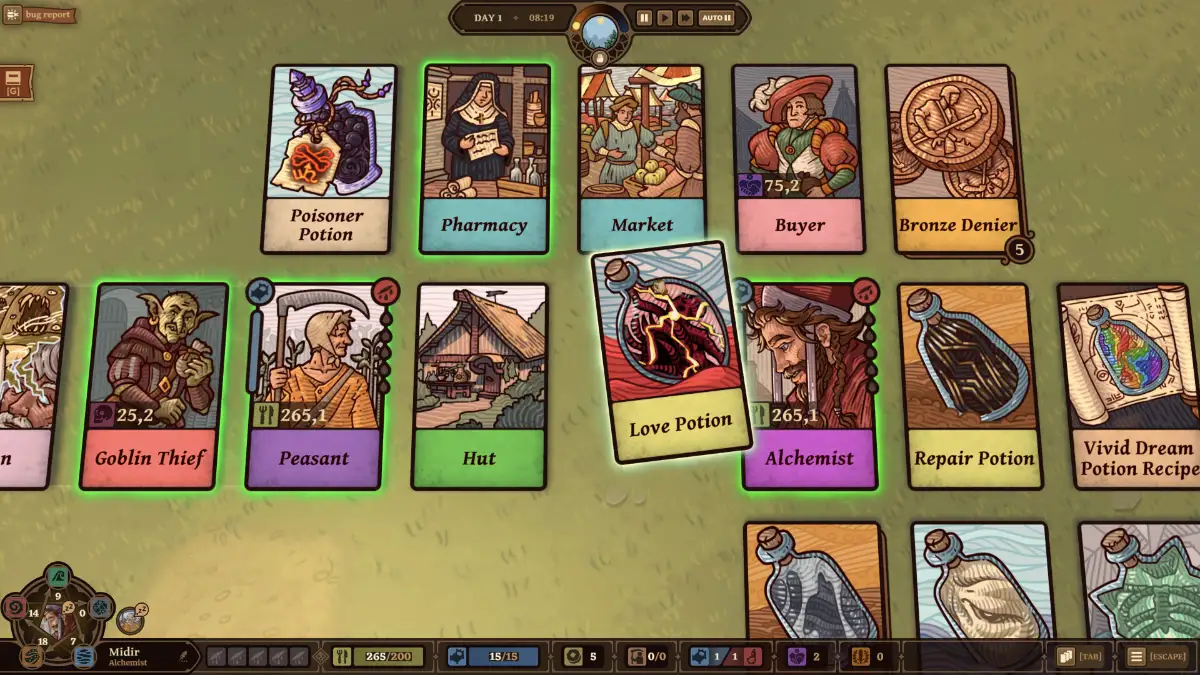
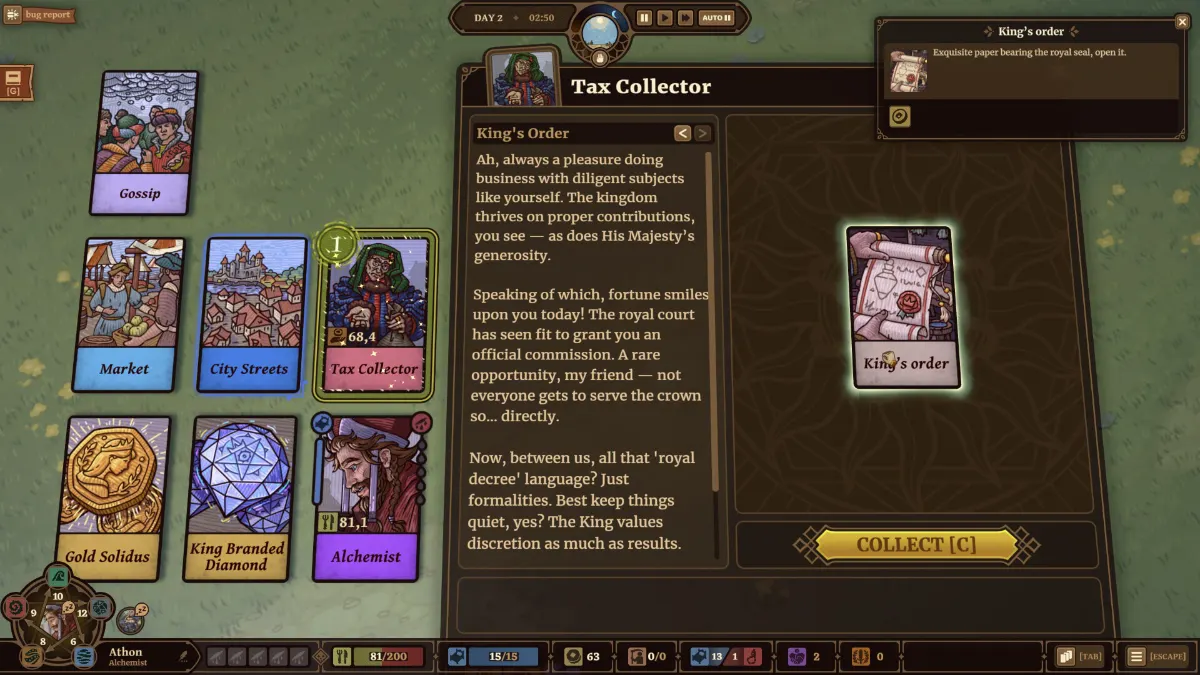
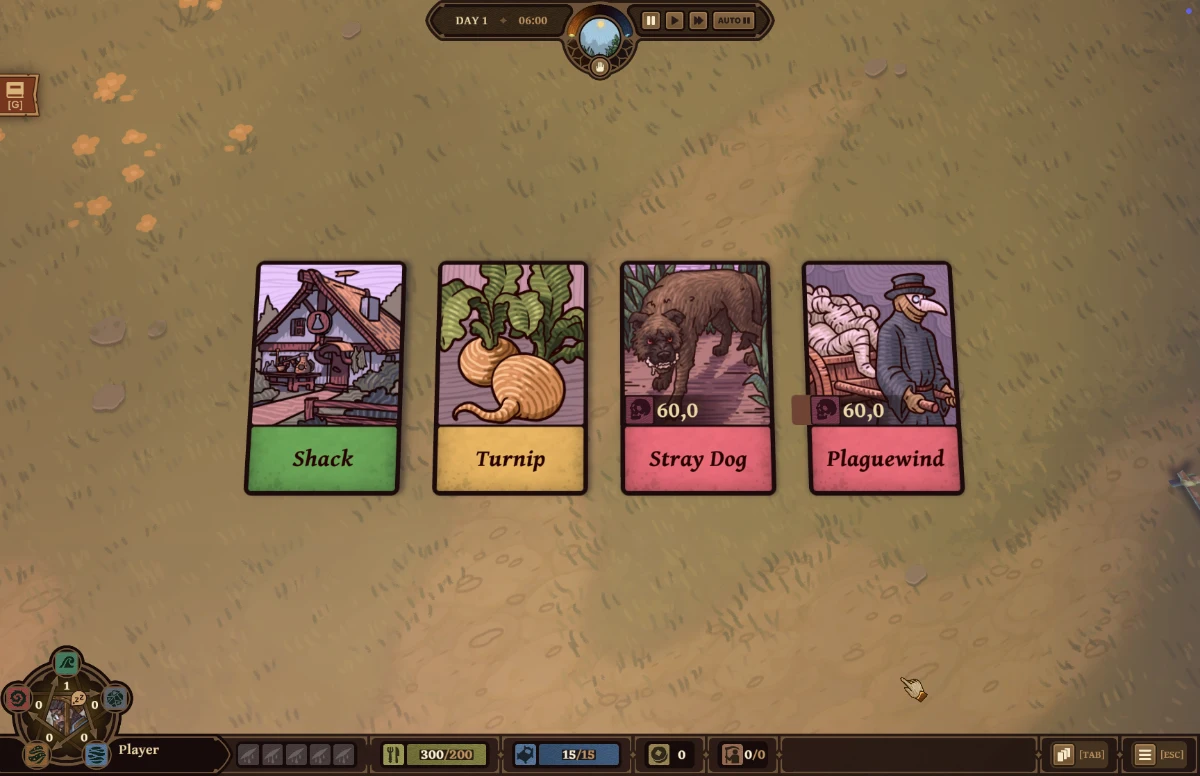
Ways of Alchemy takes a different route from the familiar potion-shop formula. Instead of focusing exclusively on mixing ingredients at a workbench, it places you in the role of a medieval alchemist trying to build a business in a world where knowledge, money, and survival are closely connected.
The game combines card-based systems, resource management, exploration, and consequential decisions. Players discover recipes, experiment with alchemical knowledge, and hire adventurers to undertake expeditions. Those expeditions can provide resources and opportunities, but expanding your operation also means dealing with authorities who are far less interested in your scientific ambitions than you might hope.
Two recurring threats are the Tax Collector and the Inquisitor. Their presence gives the management layer a sense of pressure: accumulating wealth and knowledge is useful, but it can also attract unwanted attention. Decisions influence the direction of the story, and different outcomes make the journey more than a straightforward progression toward a single ending.
The visual identity is another defining feature. Hand-drawn illustrations and an engraving-inspired aesthetic evoke historical books, medieval manuscripts, and old alchemical diagrams. Rather than presenting magic as a glossy spectacle, the art makes it feel like a body of forbidden knowledge preserved on paper.
For players who enjoy strategy, narrative choices, and the fantasy of running an alchemical enterprise, Ways of Alchemy is a strong starting point among alchemy video games. It is particularly suitable for those who want more than a cozy crafting loop.
Key features:
Genre: Action, Adventure, Indie, RPG
Developer: Sengi Games
Release date: April 26, 2022
Platform: PC (Steam)
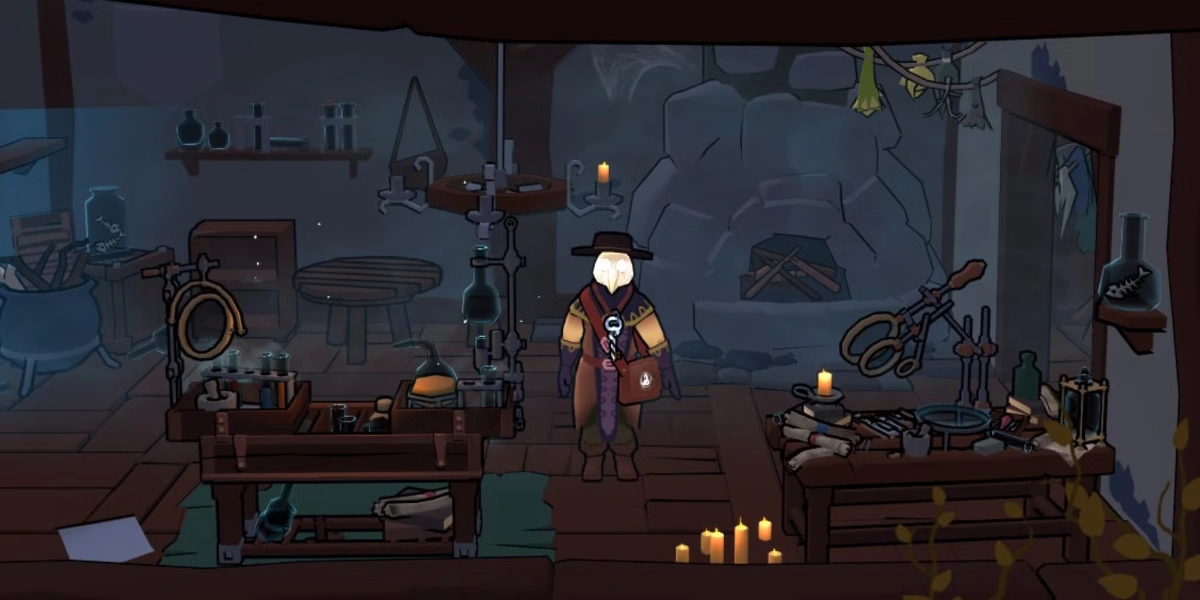
In The Serpent Rogue, alchemy is a survival skill: you explore a medieval fantasy world threatened by corruption, gather botanical ingredients, and prepare mixtures that help you overcome its dangers. The environment rewards curiosity, but experimentation is rarely entirely safe.
Potion brewing connects directly to exploration and combat. Ingredients have practical uses, and learning how to prepare the right mixture can change the way you approach a threat. You can also interact with creatures and experiment with the systems governing the world, making observation as important as fighting.
The game's atmosphere is deliberately unsettling. Its environments, creatures, and muted visual palette create the impression of a world slowly succumbing to a spreading disaster. You are not simply collecting herbs to complete a checklist — you are learning how to survive in a place where the natural order has gone wrong. Players searching for games like Noita may appreciate the emphasis on experimentation and unexpected outcomes.
Key features:
Genre: Indie, Simulation
Developer: niceplay games
Release date: December 13, 2022
Platform: PC (Steam)
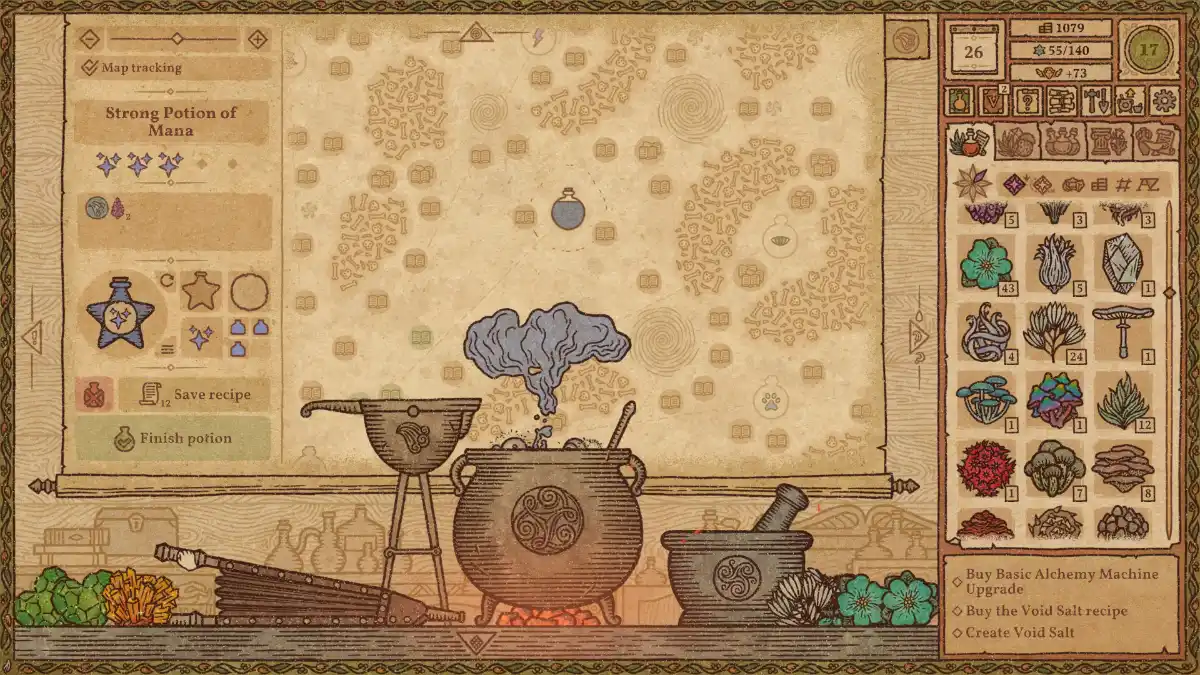
If your ideal fantasy is owning a medieval potion shop, Potion Craft is the obvious place to begin. It puts the process of brewing at the center of the experience, giving players physical control over ingredients and equipment instead of reducing every recipe to a button press.
You grind herbs with a mortar and pestle, combine substances in a cauldron, and your experiments reveal new areas, while successful discoveries help you understand how to reach particular potion effects. The shop-management side adds another layer. Customers arrive with different needs, and you decide what to sell, which recipes to develop, and how to build your reputation.
The presentation is central to its appeal. Its medieval-book-inspired art, restrained colors, and tactile animations make ordinary tasks feel like part of a carefully maintained craft. The result is an unusually coherent combination of interface, visual design, and gameplay. For anyone searching for games like Potion Craft, this is the benchmark against which other potion crafting games are likely to be judged.
Key features:
Genre: Action Roguelite, Indie
Developer: Nolla Games
Release date: October 15, 2020
Platform: PC (Steam)
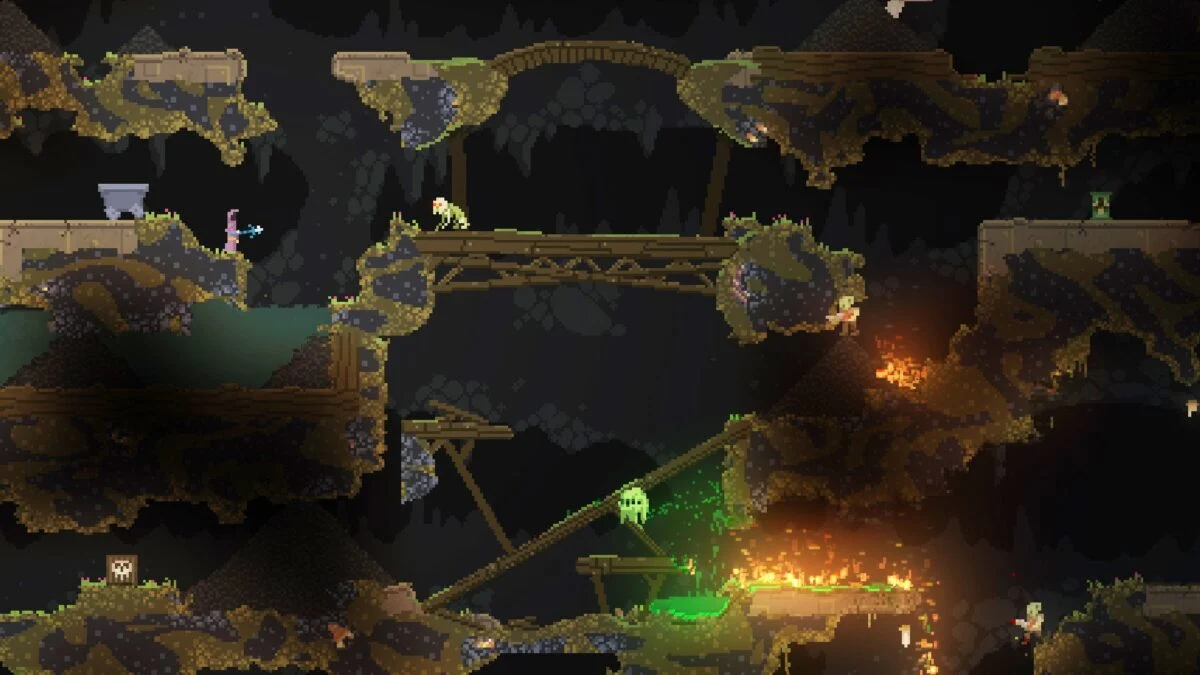
Noita approaches alchemy from the opposite direction to a traditional simulator. It is a dangerous, side-scrolling roguelite in which every pixel is physically simulated. You explore procedurally generated worlds, discover spells, and build magical combinations. A seemingly manageable fight can turn into a catastrophe when an explosion ignites nearby materials or a destructive reaction spreads through a cavern. Learning how the world behaves is just as important as learning how to defeat enemies.
Although Noita is not primarily a potion-shop game, its systemic approach makes it one of the most distinctive alchemy video games for players who enjoy experimentation. The appeal lies in discovering interactions that the game does not always explain in advance.
It is also the essential reference point for anyone looking for games like Noita. Its combination of physics, spell customization, procedural exploration, and unforgiving combat is difficult to reproduce. Similar games may capture its improvisational magic without recreating its fully simulated environment.
Key features:
Genre: Indie, Simulation, Puzzle
Developer: Zachtronics
Release date: December 7, 2017
Platform: PC (Steam)
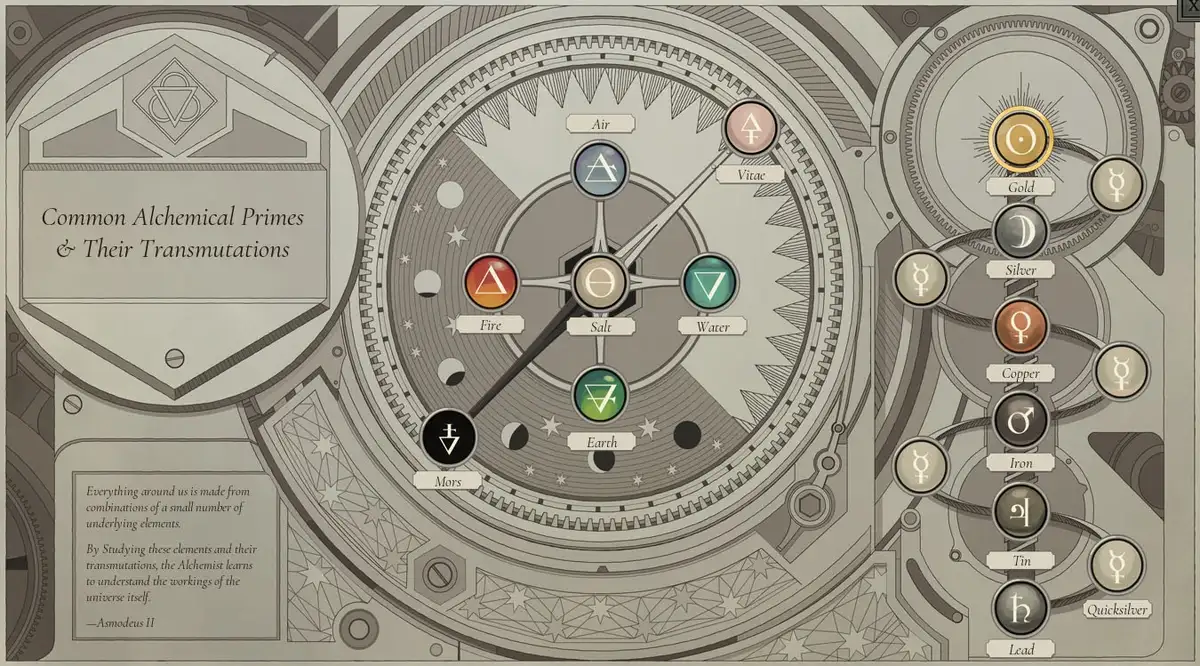
Opus Magnum turns alchemy into an engineering discipline. Instead of gathering herbs or selling potions, you design machines that transform raw materials into finished products. Its central device, the transmutation engine, lets you build intricate systems of mechanical arms, tracks, and manipulators.
Each puzzle gives you a target product and a set of constraints. You must arrange the components so that the machine moves atoms, assembles molecules, and completes the transformation. A working solution is only the beginning: you can refine your design to reduce its cost, shorten its cycle, or use fewer components.
That flexibility makes the game particularly satisfying for players who enjoy optimization. There is rarely just one way to solve a problem, and a solution that works beautifully in one metric may perform poorly in another. Experimentation and iteration are built into the design.
Among games about alchemy, Opus Magnum is unusual because its theme is inseparable from its puzzle mechanics. Transmutation is not an animation played after crafting; it is the problem you are solving.
Key features:
Genre: Casual, Simulation
Developer: Kool2Play
Release date: March 11, 2025
Platform: PC (Steam)
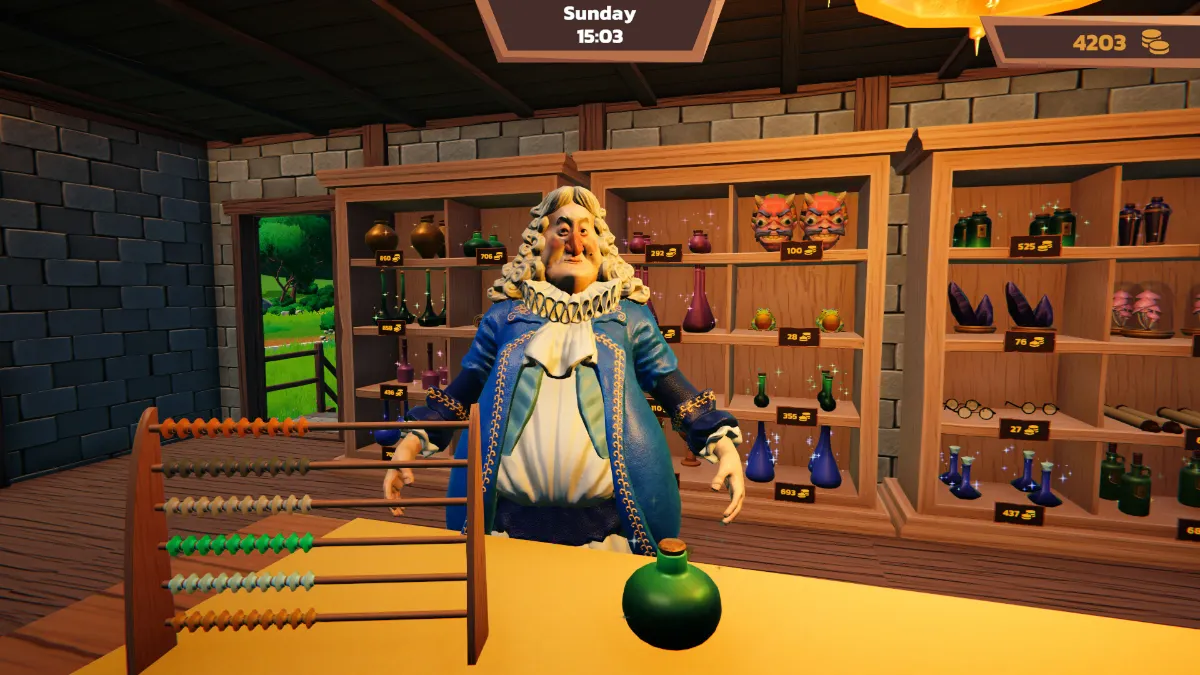
Alchemist Shop Simulator focuses on the commercial side of fantasy alchemy. You run a magical shop, brew potions, trade goods, and fulfill special orders while trying to turn a modest business into a profitable operation.
The gameplay revolves around keeping the shop supplied and responding to demand. You meet customers with different requests, manage prices, restock shelves, and grow ingredients in your garden. As the business expands, balancing production and sales becomes an important part of the routine.
It is a suitable option for players who enjoy cozy management sims and want the fantasy of running an alchemist's business without committing to a complex narrative RPG. The emphasis is on steady progression, production, and customer satisfaction rather than high-stakes exploration.
Key features:
Genre: Casual, Indie, RPG
Developer: Error 300
Release date: October 27, 2023
Platform: PC (Steam)
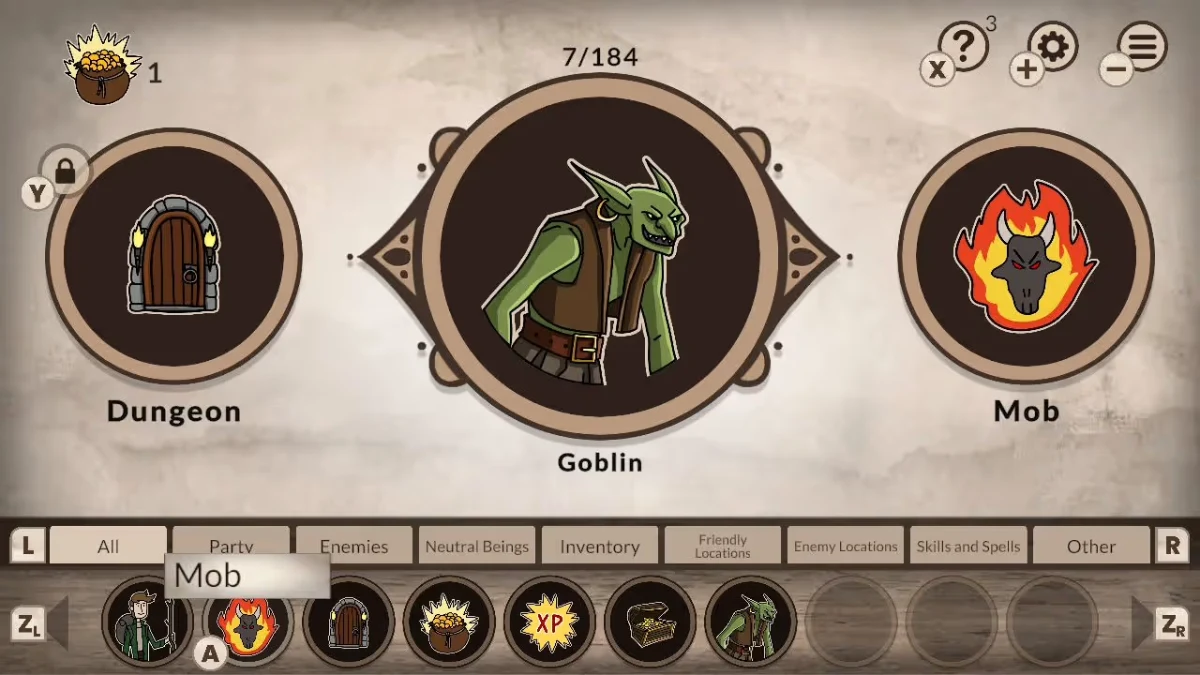
Despite its name, RPG Alchemy is not a conventional role-playing game with an extensive potion-brewing system. Instead, it adapts the familiar alchemy puzzle formula to fantasy RPG elements.
You begin with basic entities, such as an adventurer and a monster, then combine them to discover new characters, enemies, and locations. The aim is to uncover a growing collection of combinations, with more than 200 unique entities to discover.
This makes the game a lighter alternative to simulation-heavy titles. There is no need to manage a shop, optimize a transmutation machine, or survive a hostile world. The main attraction is the satisfaction of finding out what two seemingly unrelated objects produce when combined.
Key features:
If Potion Craft appeals to you because of its workshop atmosphere, recipe discovery, and shop management, these games offer related experiences with different priorities.
For players searching for games like Potion Craft Alchemist Simulator, the key question is how much time you want to spend on brewing itself. Potion Craft emphasizes hands-on experimentation, Potionomics adds negotiation and deckbuilding, and Potion Permit connects remedies to a larger town-based adventure.

The appeal of Noita comes from the interaction between magic, physics, and procedural exploration. It allows small decisions to trigger unexpectedly large consequences, making experimentation both rewarding and dangerous.
These games capture parts of that experience, although none is an exact substitute:
Of these options, Magicraft is the closest match for players primarily interested in creative magic combinations. The Serpent Rogue is better suited to those who prefer botanical experimentation and survival, while Risk of Rain 2 emphasizes combat builds and escalating action.
Players drawn to Opus Magnum are often looking for open-ended puzzles, logical systems, and the freedom to improve a solution after it works. Zachtronics has several other games built around these principles.
All four are available on Steam. If you want the closest thematic connection to Opus Magnum, start with SpaceChem. For a broader engineering challenge, Infinifactory is a strong alternative.
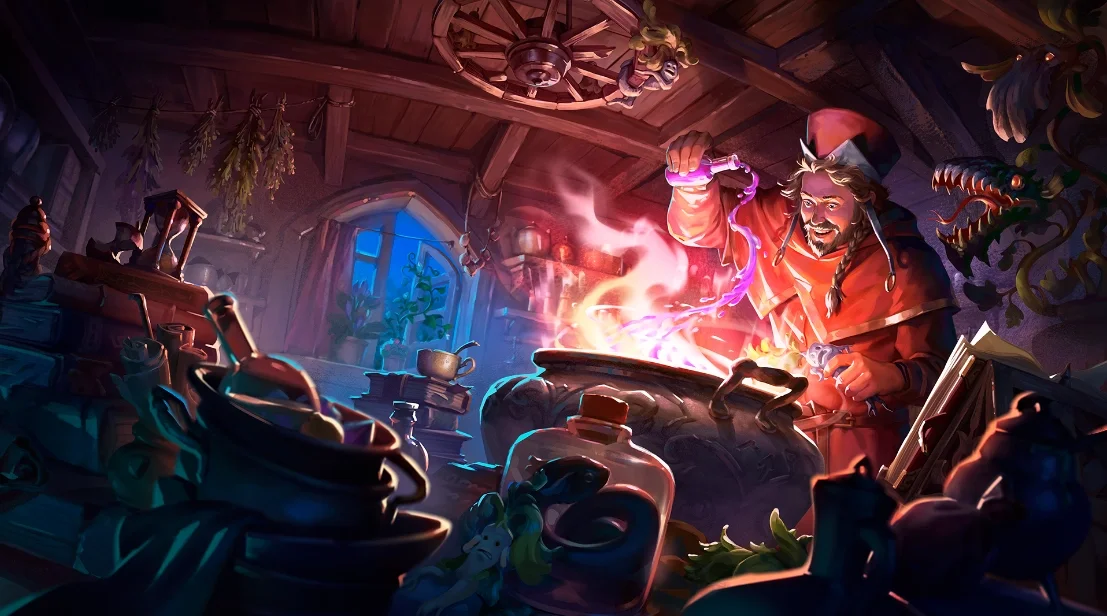
Not every game with alchemy needs to revolve around a workshop. In many RPGs, potions are part of a wider system that rewards exploration, preparation, and knowledge of the world.
These are strong examples of games with alchemy where potion-making enriches a larger adventure. For more recommendations, see our guide.
[[ref:best-fantasy-games-of-all-time-rpgs-medieval-games]]
The following titles are not dedicated alchemy simulators, but each offers a related appeal through crafting, atmospheric art, resource management, or experimentation.
These games demonstrate how the appeal of alchemy can extend beyond potions themselves. Collecting resources, transforming materials, developing a workshop, and discovering a world through its systems are all mechanics that work in many genres.
To make the choice between the games easier and showcase the biggest differences between them, we have prepared a table.
The table reflects each game's primary mechanics rather than suggesting that all seven offer the same kind of potion crafting. Noita, for example, is an action roguelite, while Opus Magnum is an engineering puzzle game.
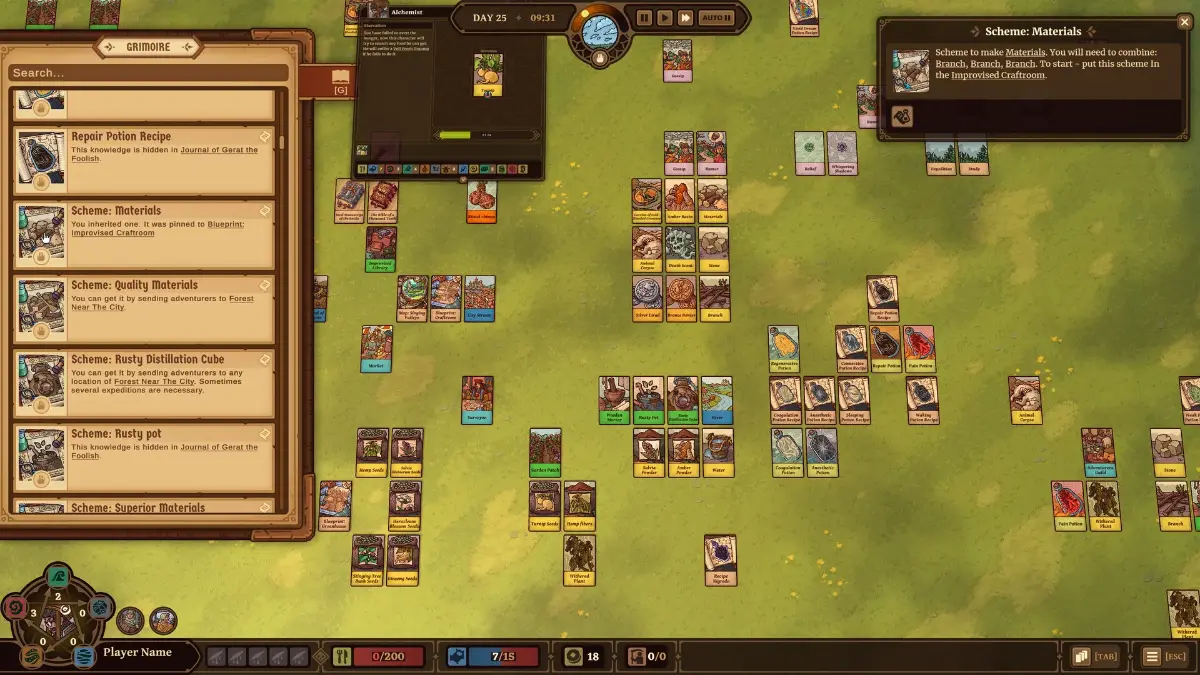
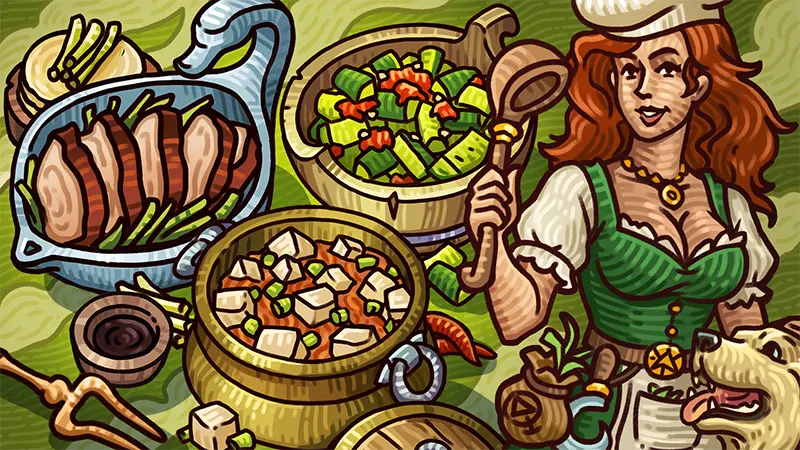
Ways of Alchemy uses a hand-drawn, engraving-inspired visual style to connect its fantasy setting with the historical imagery associated with alchemy. The restrained palette, illustrated figures, and manuscript-like details help the game feel like a collection of old knowledge rather than a conventional high-fantasy spectacle.
For alchemy games, this visual approach does more than establish a period setting. Recipes, ingredients, and illustrated objects become part of the player's understanding of the world, while the art reinforces the idea that knowledge is something accumulated, interpreted, and put to use.
Creating an alchemy game requires more than drawing potion bottles and filling a workshop with mysterious ingredients. Visual style, interface design, readable item illustrations, and consistent art direction all help players understand the world and connect with its mechanics.
RocketBrush Games developed Ways of Alchemy, bringing its hand-drawn, engraving-inspired aesthetic to a game built around experimentation, management, and consequential decisions. If you're planning a game with a distinctive visual identity, from illustrated fantasy interfaces to complete in-game art production, the RocketBrush team can help you develop the assets your project needs.