menu
Close

GET IN TOUCH
Check what other game developers say about working with RocketBrush Studio:

BLOG
Both 2D art and character design often become subject to outsourcing, the process of involving an external team is a core part of modern game production. It’s especially relevant to live-service titles but outsourcing can help scale up a stylized indie project as well. External art partners let you move faster without compromising consistency. The challenge isn’t finding a vendor — it’s finding one that can match your style, integrate into your pipeline, and deliver at production scale.
Among the strongest options, three studios stand out for different reasons.
Together, they represent three distinct but proven approaches to outsourcing 2D character work. But let’s look at each studio in detail.
Founded: 2016
Size: 150+ in-house artists and specialists
Location: Cyprus
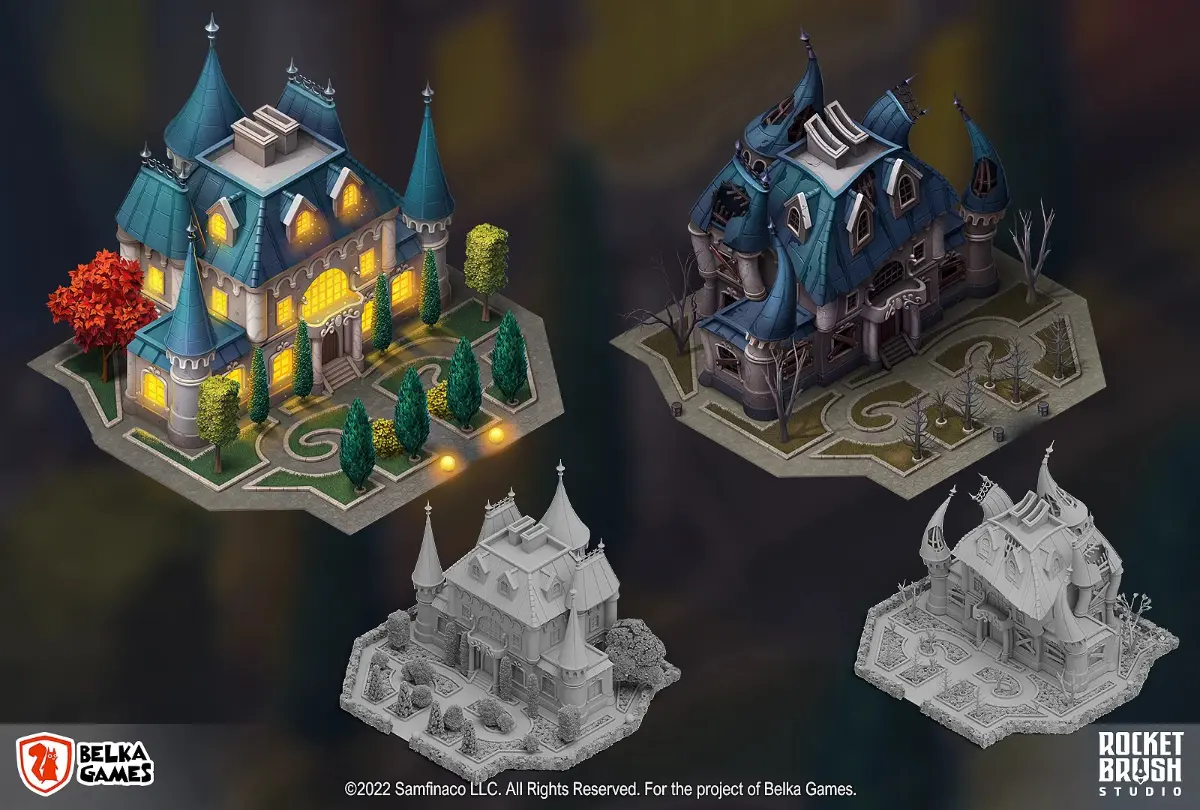
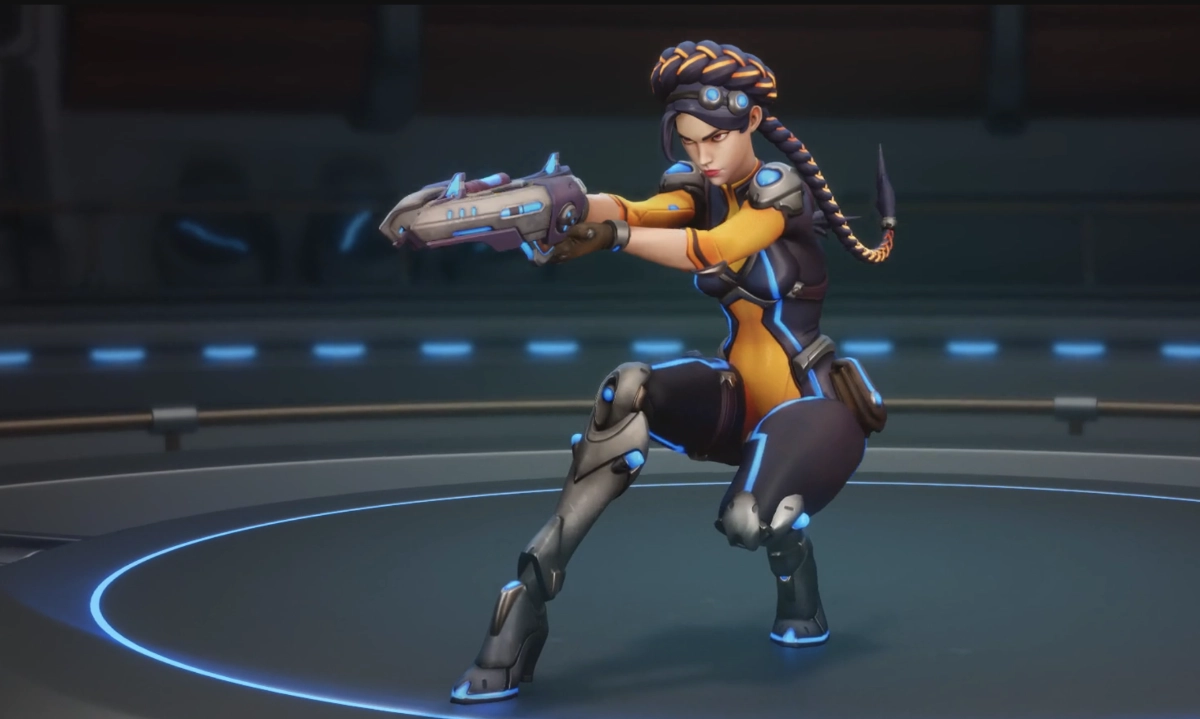
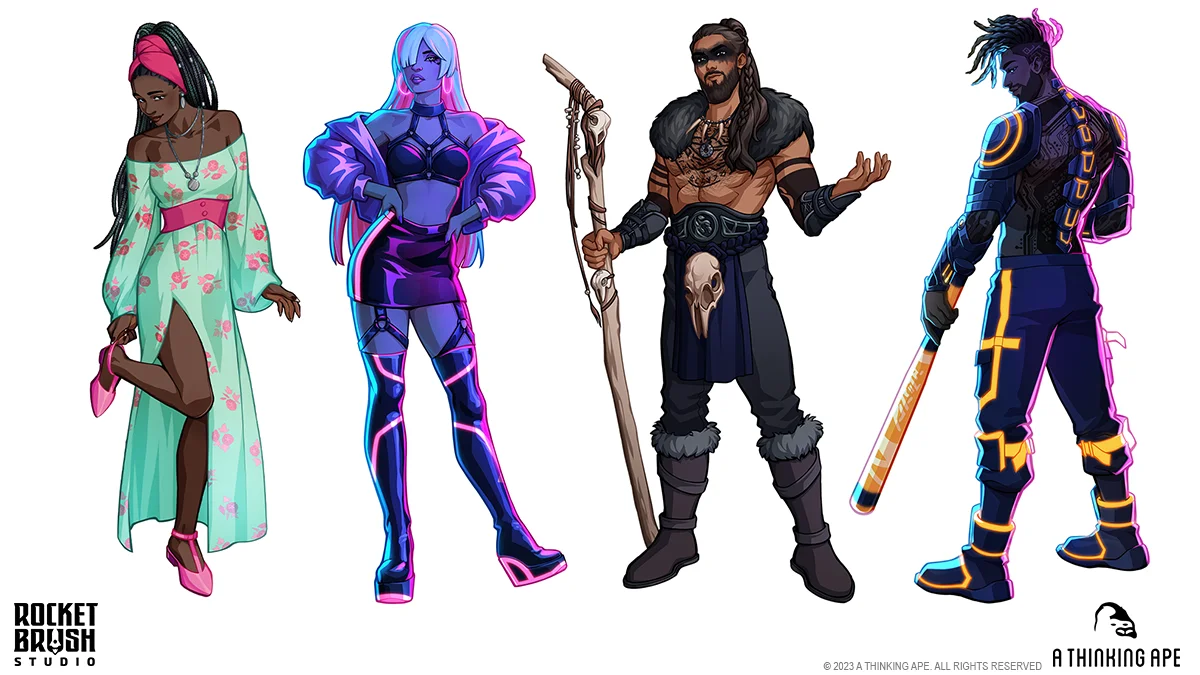
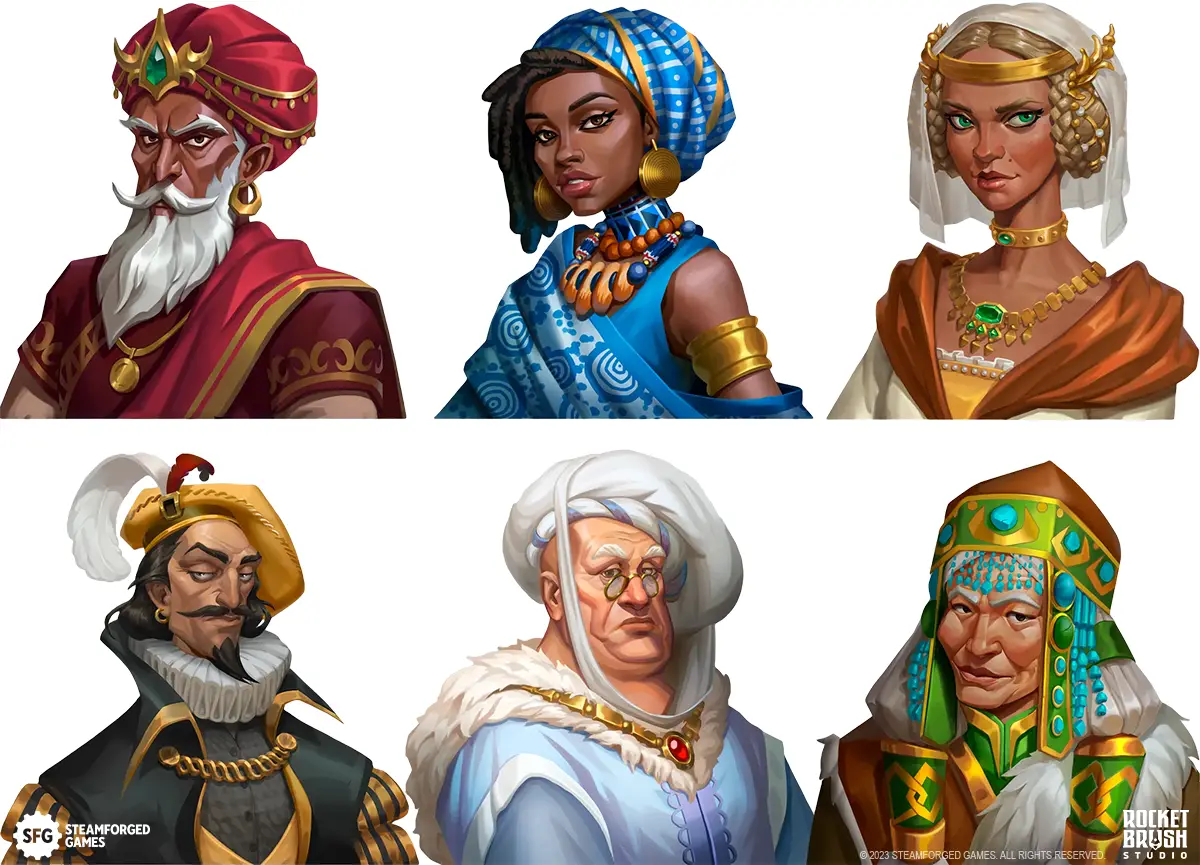
RocketBrush approaches 2D outsourcing as a production system. The studio covers the full 2D pipeline — concept art, character design, environments, UI, and animation. Its core strength, however, is turning a target style into something repeatable, scalable, and consistent across long production cycles.
Instead of treating character design as isolated illustration work, RocketBrush builds characters with downstream use in mind: animation-ready structure, clear silhouettes for gameplay readability, and asset breakdowns that support live ops (skins, variants, updates).
A typical workflow starts with style matching and test batches, then moves into production rules and asset guidelines that ensure every new character aligns with the established look. Internal review stages happen before client delivery, reducing iteration cycles and keeping output predictable. This is where the studio differentiates itself: in both visual quality and how reliably it can deliver that quality across dozens or hundreds of assets.
The team’s background in actual game production shows in the details — characters are built to fit engine constraints, UI readability, and gameplay context rather than existing as standalone art. For teams running ongoing content pipelines, this translates into fewer bottlenecks and smoother integration.
Location: Canada (Kelowna)
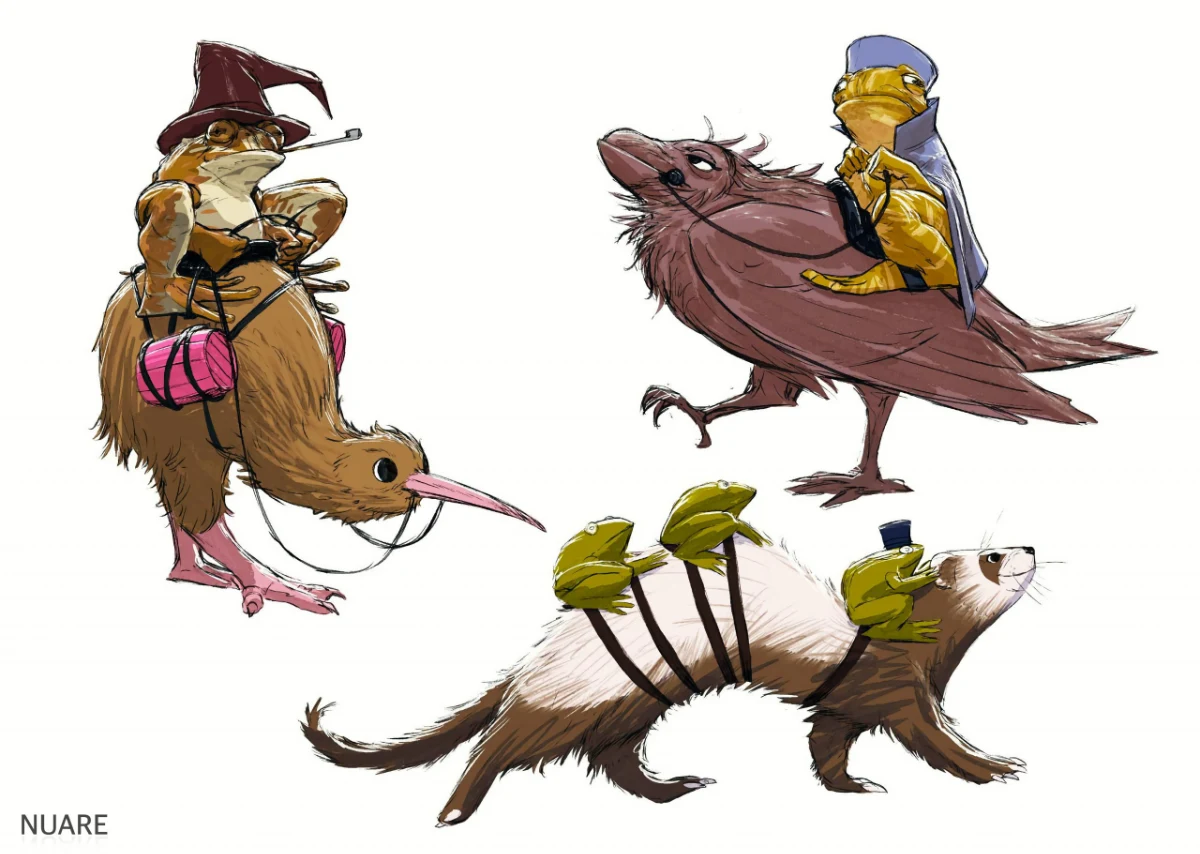
Nuare positions its 2D work as part of a broader production system rather than a standalone service. The studio handles 2D characters, props, environments, and promotional illustration within a pipeline that mirrors in-house development: style targets are locked early, and assets are delivered in formats aligned with engine constraints and naming conventions.
Character design is approached from a production-readiness standpoint—built to match an existing visual target and survive integration into animation, VFX, and gameplay systems. Rather than over-indexing on concept exploration, Nuare focuses on consistent output at scale, with characters designed to hold up across gameplay, marketing, and live ops updates.
Founded: 2018
Size: 11–50 employees
Location: Warsaw, Poland
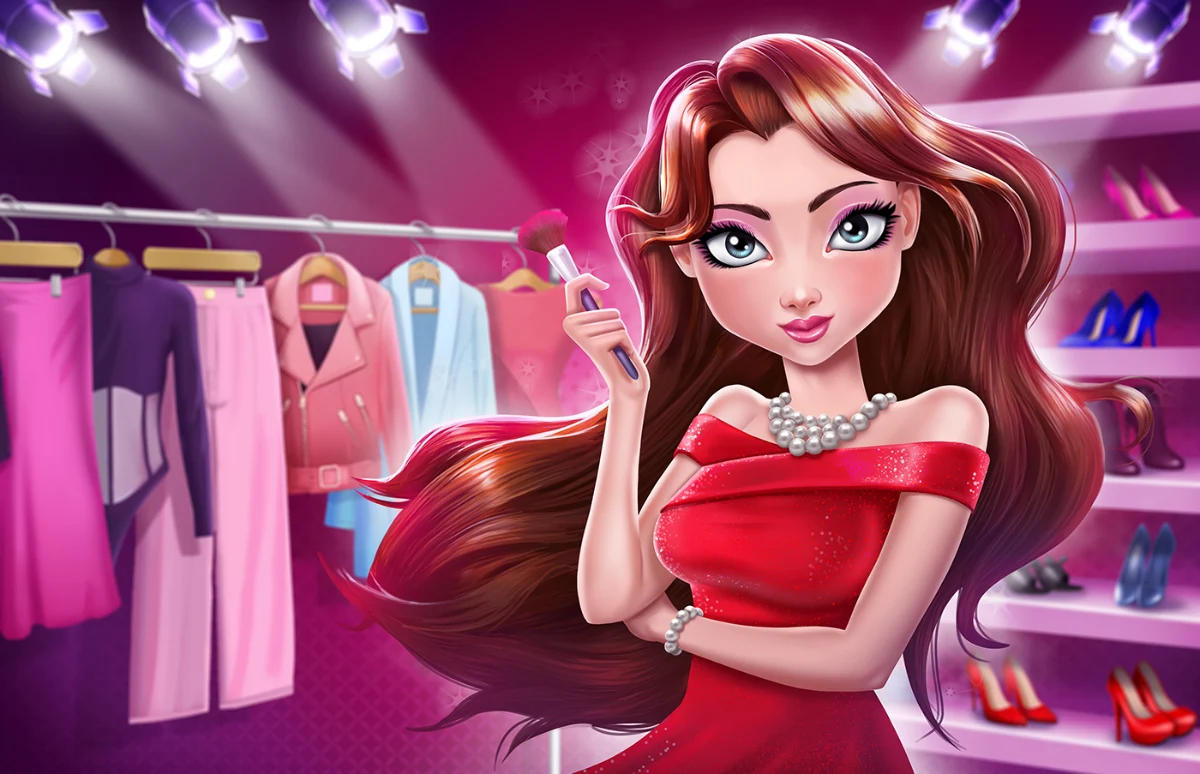
Pixune leans heavily into character-first 2D production, with a clear emphasis on personality-driven design. Its pipeline combines concept art, anatomy, and color theory to produce characters that read instantly in gameplay and marketing contexts.
The studio supports full 2D pipelines — characters, props, UI, and animation — but its strength is in stylized, expressive character design built for mobile and mid-scope titles. With thousands of characters delivered across projects, Pixune focuses on clarity, appeal, and scalability, ensuring designs translate cleanly into animation and UI use cases rather than staying as high-detail illustrations.
Founded: 2017
Size: 80+ employees
Location: Europe (distributed team)
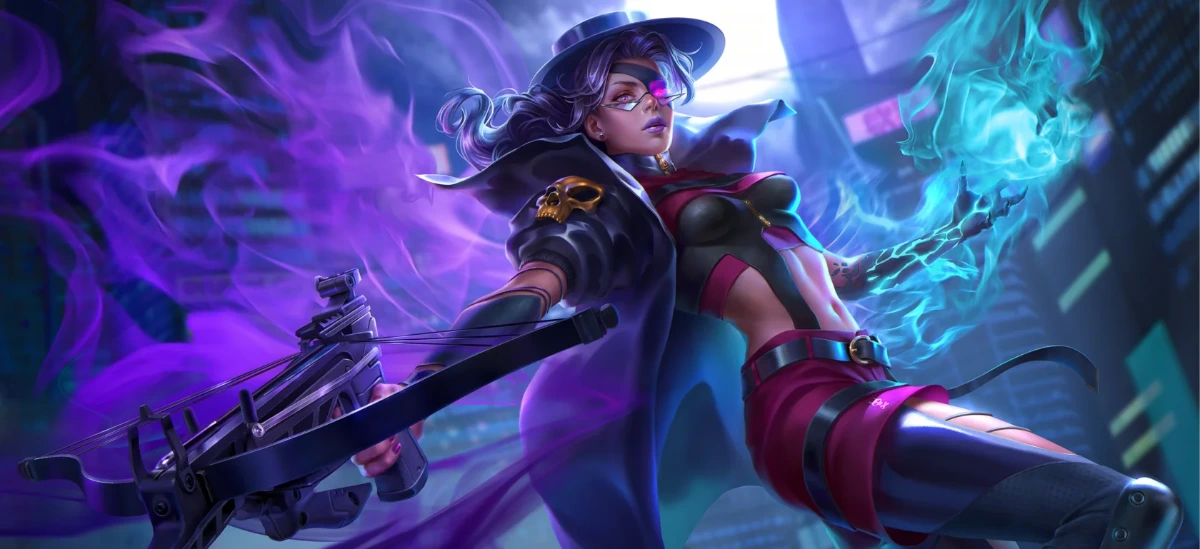
Argentics structures its 2D services around end-to-end character-driven pipelines, starting from concept and moving through final in-game assets. Character design is treated as the core of the visual identity, with dedicated workflows for stylized, casual, and card-based character systems.
The studio emphasizes adaptability across genres — fantasy, sci-fi, mobile casual — while maintaining a consistent production process led by art direction. What stands out is its modular approach to character creation, where personality, silhouette, and readability are defined early and carried through to animation and UI assets. This makes Argentics a practical choice for projects that rely on large character rosters or frequent content updates.
For a list of the best studios specializing in 3D character modeling and game art, check out our dedicated article.
[[ref:top-studios-3d-character-modeling-game-art-services]]
Founded: 2018
Size: 30–50 professionals
Location: Larnaca, Cyprus
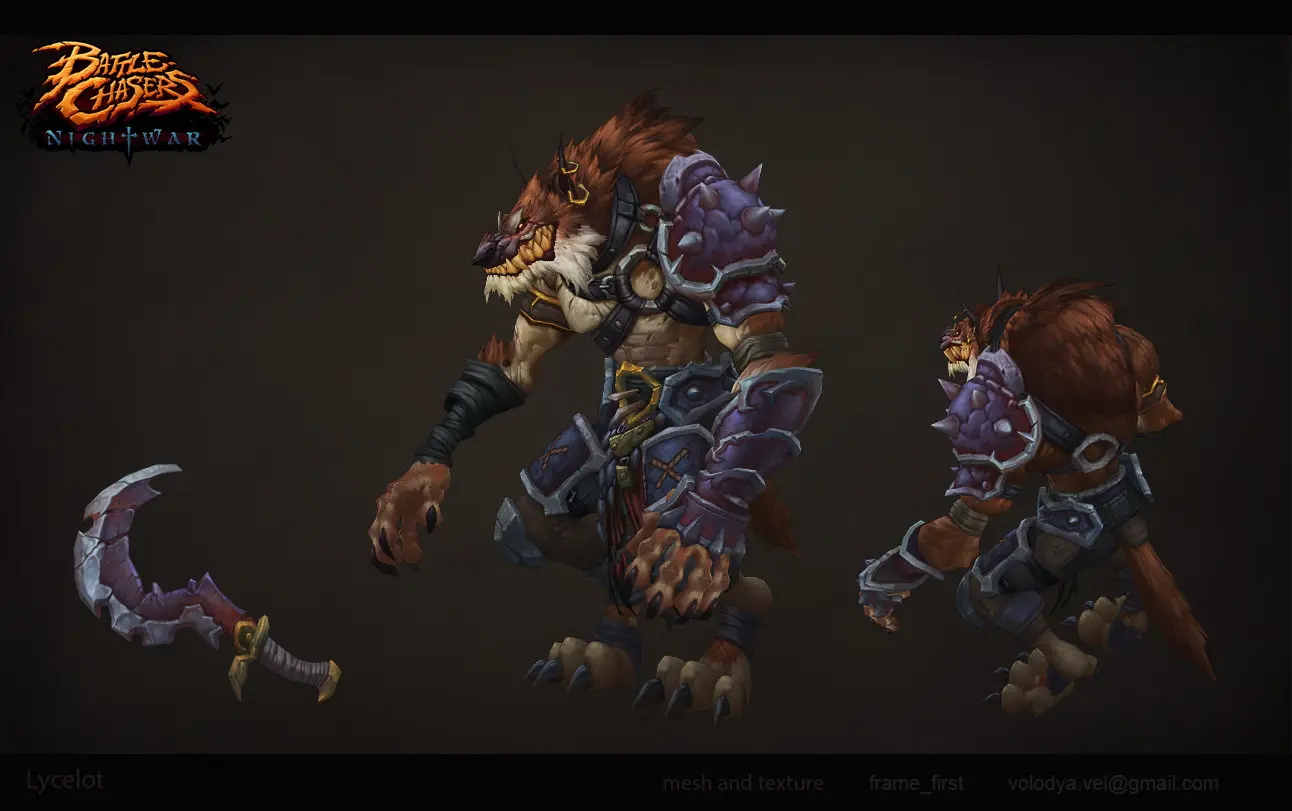
VSQUAD is a studio with a specialized digital art school attached to it. The studio’s 2D pipeline is built around production logic first, visuals second. Character design starts with readability — silhouette, scale, and in-game clarity — before moving into rendering.
The studio emphasizes functional character design: assets must work at thumbnail size, integrate with UI, and support animation pipelines without rework. VSQUAD also builds characters with future production in mind (skins, variants, modular elements), reducing iteration costs during live ops. Its strength lies in bridging concept and production, delivering layered, engine-ready files rather than static illustrations.
Founded: 2010
Size: 50–200 employees
Location: Kyiv, Ukraine (with Cyprus office)
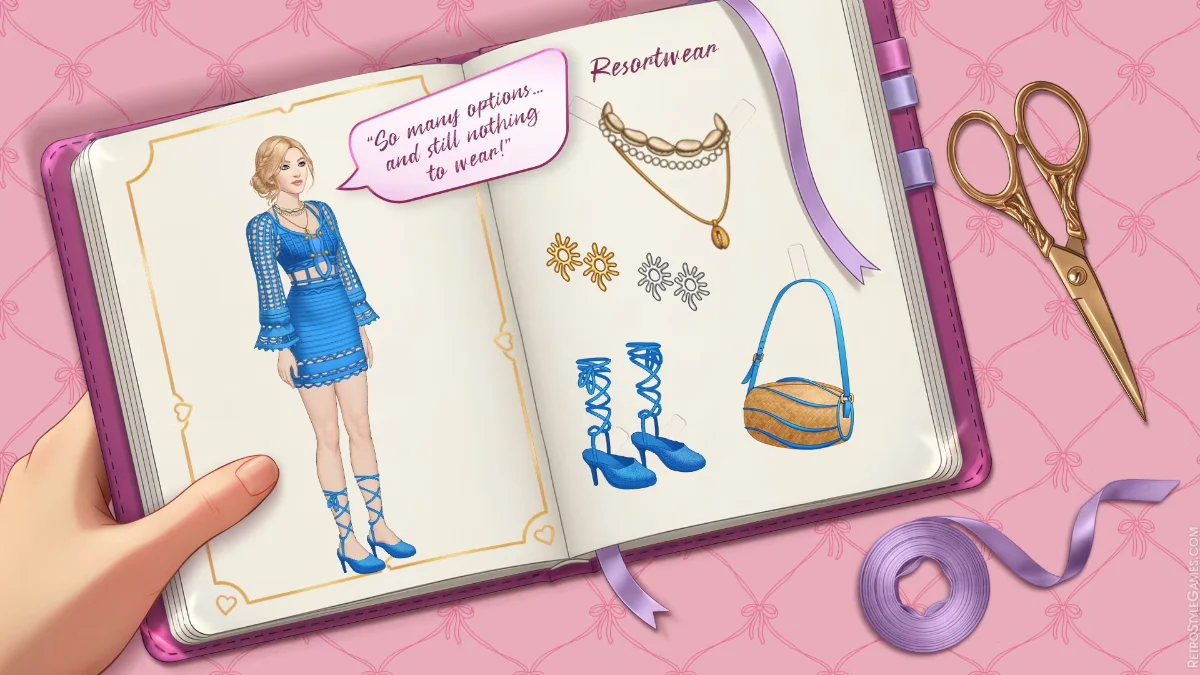
RetroStyle Games operates at scale, delivering full-cycle 2D art production with a strong focus on characters for mobile and live-service games. Its 2D pipeline covers everything from concept to final assets, including UI, icons, and animation, with a consistent emphasis on store-ready visuals and player-facing appeal.
Character design is tailored to genre demands — match-3, casual, narrative-driven — where readability and monetization context (skins, cosmetics, promos) matter as much as aesthetics. The studio’s production experience shows in its ability to handle high-volume character output without style drift, making it a reliable partner for content-heavy games.
Most studios on this list offer 2D art as part of a broader scope of services, one of which is 3D and character animation. For a list of studios that specialize in that, check out our article.
[[ref:top-character-animation-studios-3d-animation-companies]]
Founded: 2012 (game division)
Size: 200+ developers/artists
Location: Ukraine
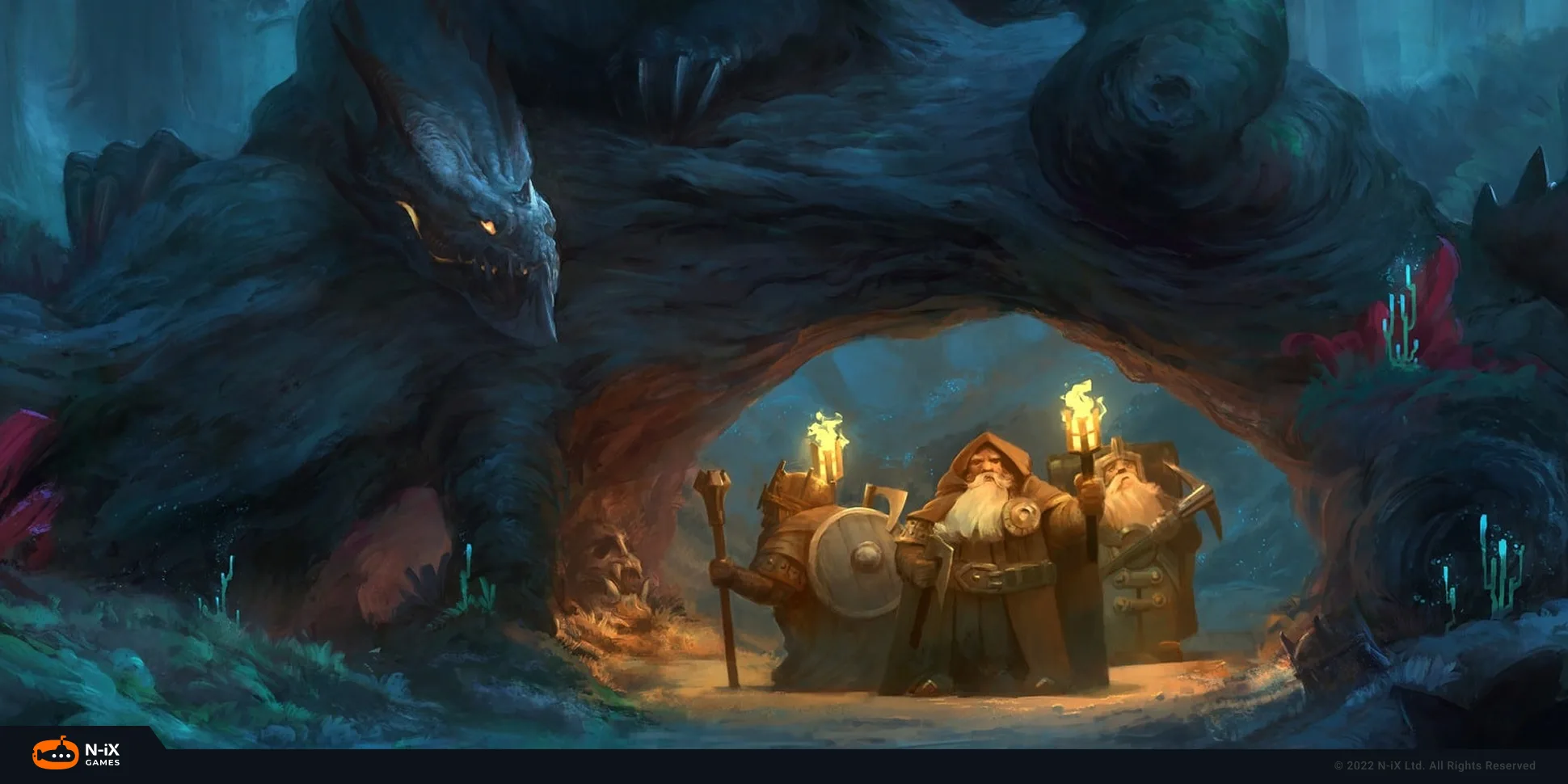
N-iX offers a structured, enterprise-grade 2D art pipeline, combining concept art, character design, UI, and animation under a unified art direction. Character design is handled with a strong foundation in anatomy, style consistency, and narrative alignment, ensuring characters feel cohesive within larger game worlds.
The studio supports both realistic and stylized approaches, adapting to IP requirements rather than pushing a fixed style. Its key strength is end-to-end integration, where character concepts flow directly into animation and UI without pipeline breaks — ideal for large-scale productions with multiple stakeholders.
Founded: 2011
Size: 200+ employees
Location: India (Bangalore, with global offices)
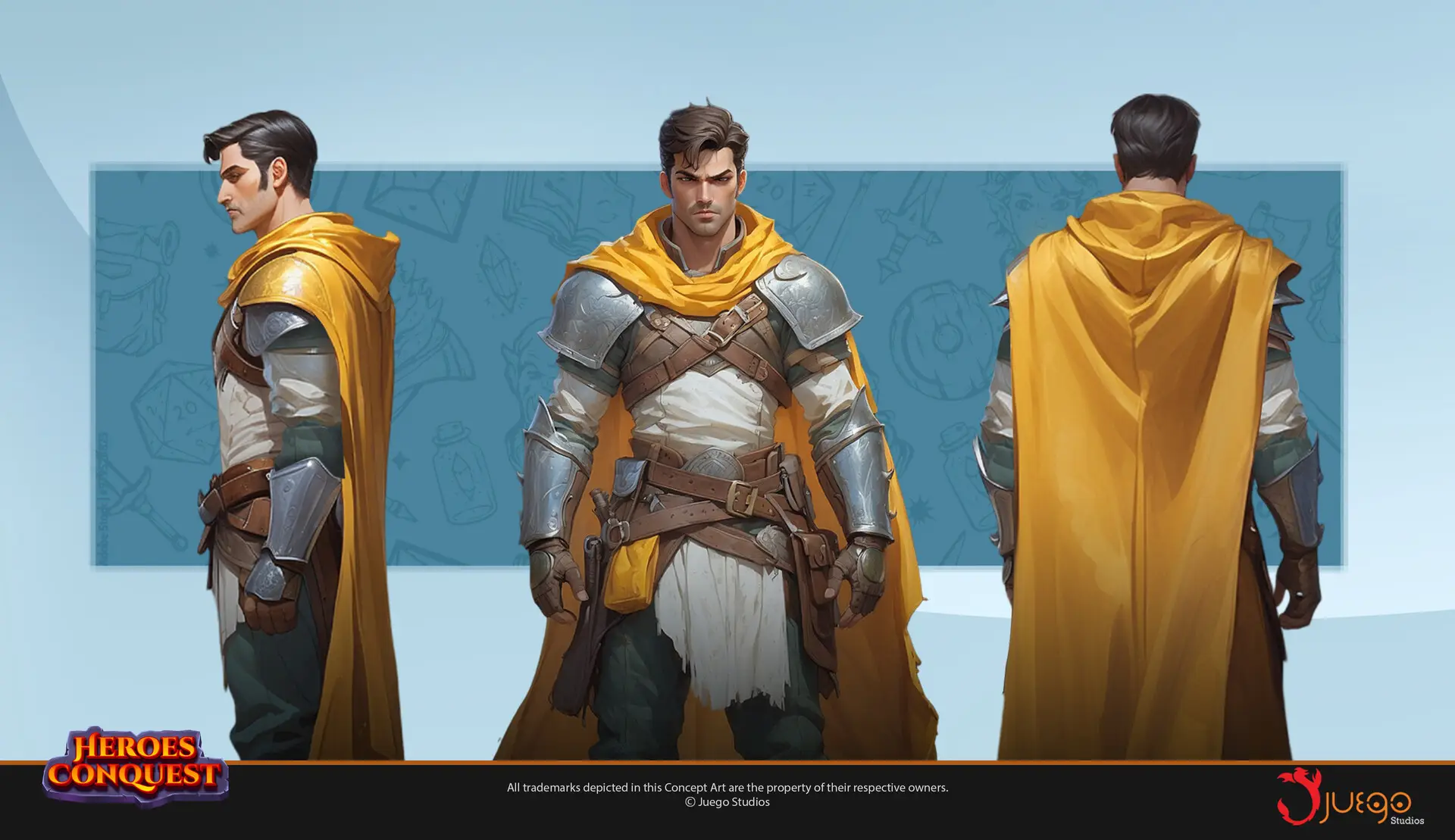
Juego Studios approaches 2D art from a full-production perspective, combining concept art, character design, and animation within a broader development pipeline. Its character design work focuses on genre adaptability, producing stylized and semi-realistic characters for mobile, casual, and mid-core games.
The studio emphasizes pipeline continuity — concepts are built with animation, rigging, and engine integration in mind from the start. This makes Juego a solid option for teams that need both design exploration and production execution under one vendor rather than splitting concept and asset creation across partners.
Founded: 2011
Size: 300+ employees
Location: Ukraine
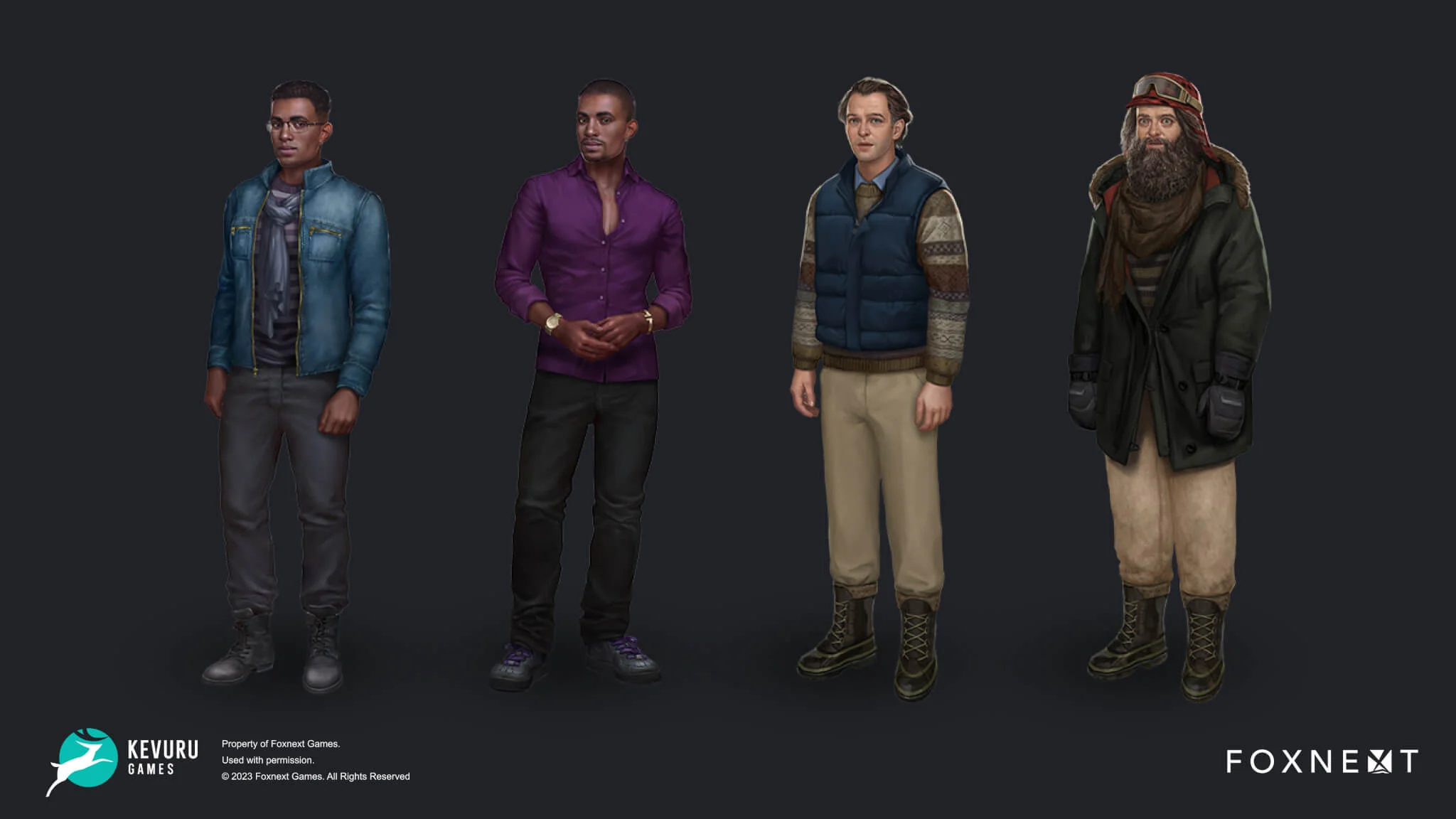
Kevuru Games is a large-scale outsourcing partner known for high-end 2D character design and concept art, particularly for AAA and stylized projects. Its pipeline emphasizes strong art direction and cinematic-quality character concepts, often used as a foundation for both 2D and 3D production.
Characters are designed with clear narrative roles, visual hierarchy, and marketing usability, making them effective across gameplay, key art, and promotional materials. Kevuru is especially strong in projects that require distinct visual identity upfront, before scaling into production.
Founded: 2011
Size: 800+ (Room 8 Group)
Location: International (HQ in Cyprus, major presence in Eastern Europe)
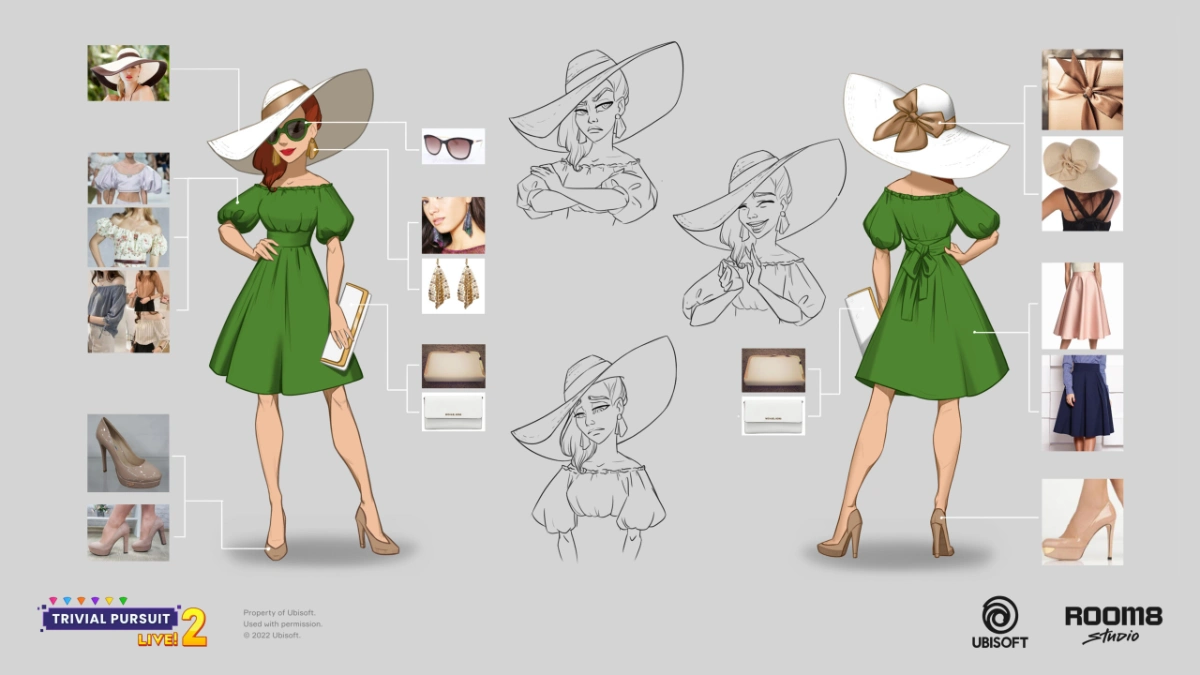
Room 8 Studio delivers premium 2D art and character design within AAA production pipelines, often acting as an embedded external team. Its character design process is tightly integrated with art direction, narrative, and gameplay requirements, ensuring consistency across large projects.
The studio handles everything from early concept exploration to final 2D assets and marketing visuals, with a focus on scalability and cross-discipline collaboration. Its strength lies in maintaining style consistency across large teams and long production cycles, making it a go-to partner for complex, multi-phase projects.
The studios on this list offer 2D game art services. The table below breaks down their specialization and price range based on the publicly available information and portfolio.
Choosing the right outsourcing partner isn’t about who has the best portfolio — it’s about fit with your production needs.
Start with style compatibility. If a studio’s portfolio doesn’t already match your target look, expect longer onboarding and more iteration. Next, look at pipeline maturity: do they define style guides, naming conventions, and review stages, or are they delivering isolated assets? This directly impacts how well their work integrates into your game.
Capacity is just as important. A small team might deliver great character concepts but struggle with high-volume production, while larger studios can maintain consistency across entire content pipelines. Finally, consider communication and iteration cycles — clear art direction, structured feedback, and internal QA often matter more than raw artistic skill.
In practice, the best choice comes down to your priorities:
Outsourcing 2D art and character design is less about finding the “best” studio and more about finding the right production partner for your project’s scope and style.
Studios like RocketBrush, Nuare, and Pixune highlight the range of approaches available — from scalable pipelines to high-end technical integration to character-focused stylization.
The common thread is this: successful outsourcing depends on clear style direction, structured workflows, and the ability to deliver consistently over time, not just strong individual pieces.