menu
Close

GET IN TOUCH
Check what other game developers say about working with RocketBrush Studio:

BLOG
A 3D game art studio creates game-ready visual assets — characters, environments, props, and animations — based on your art direction and technical requirements. In practice, 3D studios handle the full asset production process, from modeling and texturing to optimization and, in some cases, engine integration.
For most teams, a studio becomes a production partner focused specifically on building visual content that works inside a real game pipeline — not just looking good in isolation.
A 3D art studio is responsible for translating creative direction into structured and usable content. Art teams don’t just create visuals, but define how assets will function within the game.
The scope of a studio's services often includes a full development cycle, starting with concept art and then adapting the assets to technical constraints.
On the more creative side, studios establish consistent visual language that shows that various asset types belong to the same world. And then, in terms of production, studios must ensure compatibility with the project’s pipeline.
Studios often collaborate closely with internal teams to align assets with gameplay needs, scale, and engine requirements, making sure everything integrates smoothly rather than existing as standalone visuals. A large part of the work happens in these alignment stages — clarifying style, setting technical standards, and preventing inconsistencies early on.
A 3D production team typically works across several asset categories, each serving a distinct role in shaping gameplay, readability, and the overall player experience. Most of them ensure that all visual elements of a game feel cohesive and function correctly within the game world.
Characters are often the most complex assets a 3D game art studio for game produces. This category includes playable characters, NPCs, and enemies, all of which must be designed with both visual appeal and gameplay clarity in mind.
Strong 3D character design relies on clear silhouettes and readability, ensuring that players can quickly recognize roles and actions during gameplay.
For TreasureLand, we created two versions of the playable main character. Both follow the same adventurer-style visual language, with visible gear and tools, but use different proportions, silhouettes, and customizable hair options to remain visually distinct.
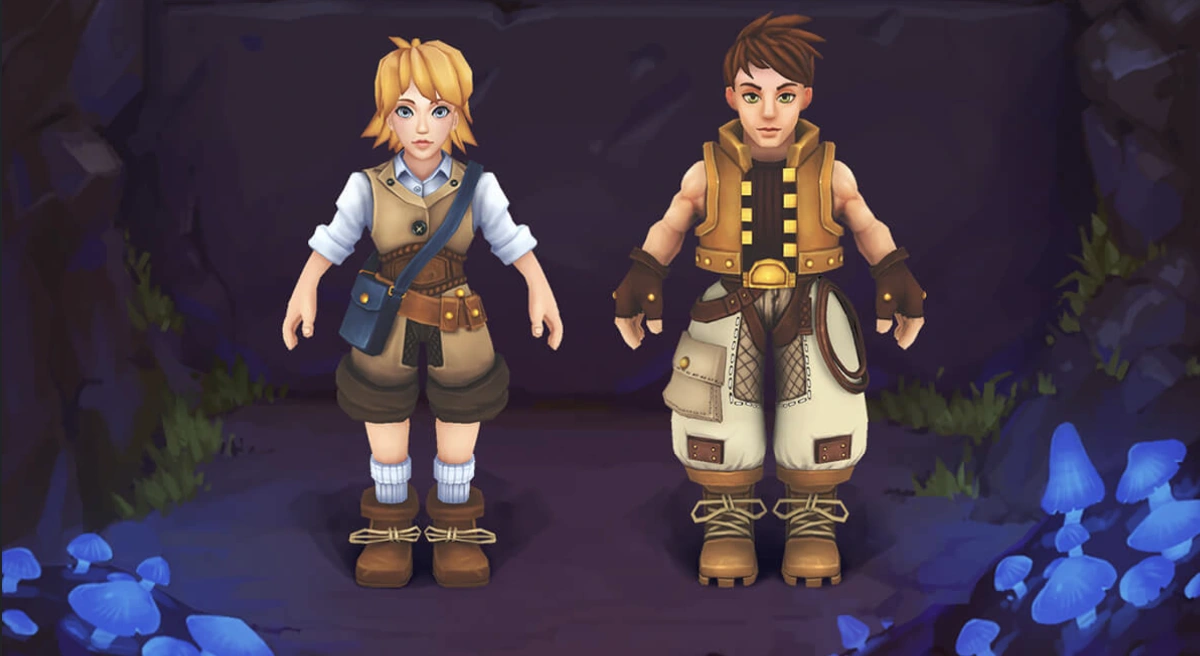
At the same time, characters must support animation and interact smoothly with game systems. Maintaining consistency helps them feel like a natural part of the game world rather than isolated elements. A well-produced character should work both as a detailed visual asset and as a functional part of gameplay.
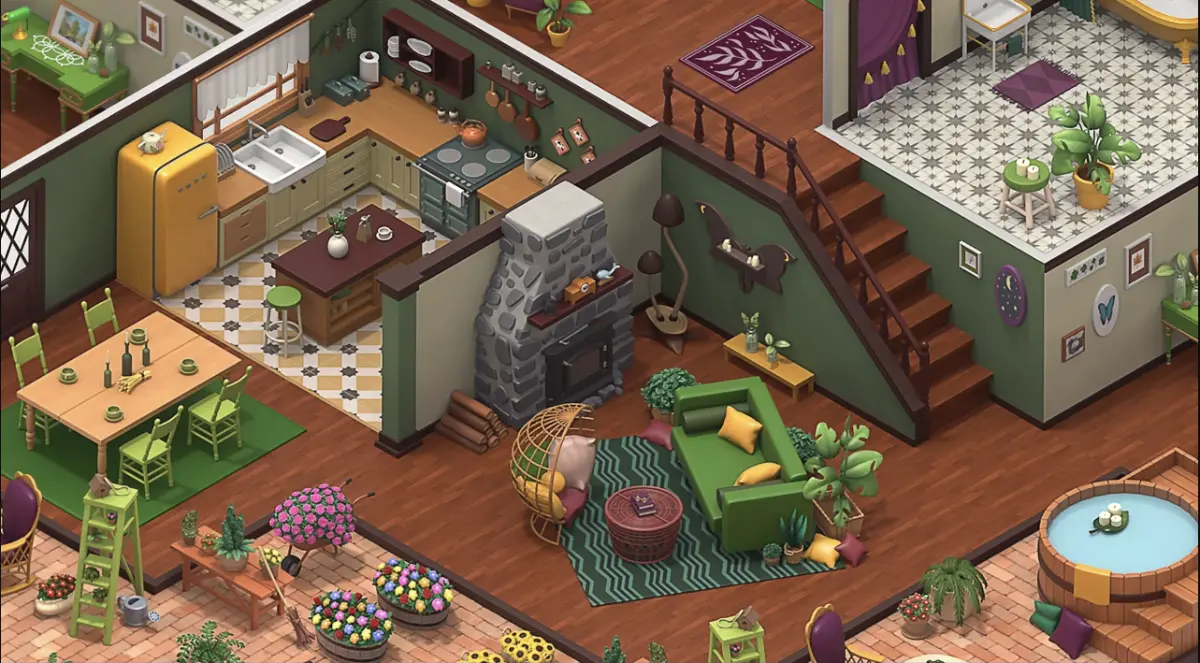
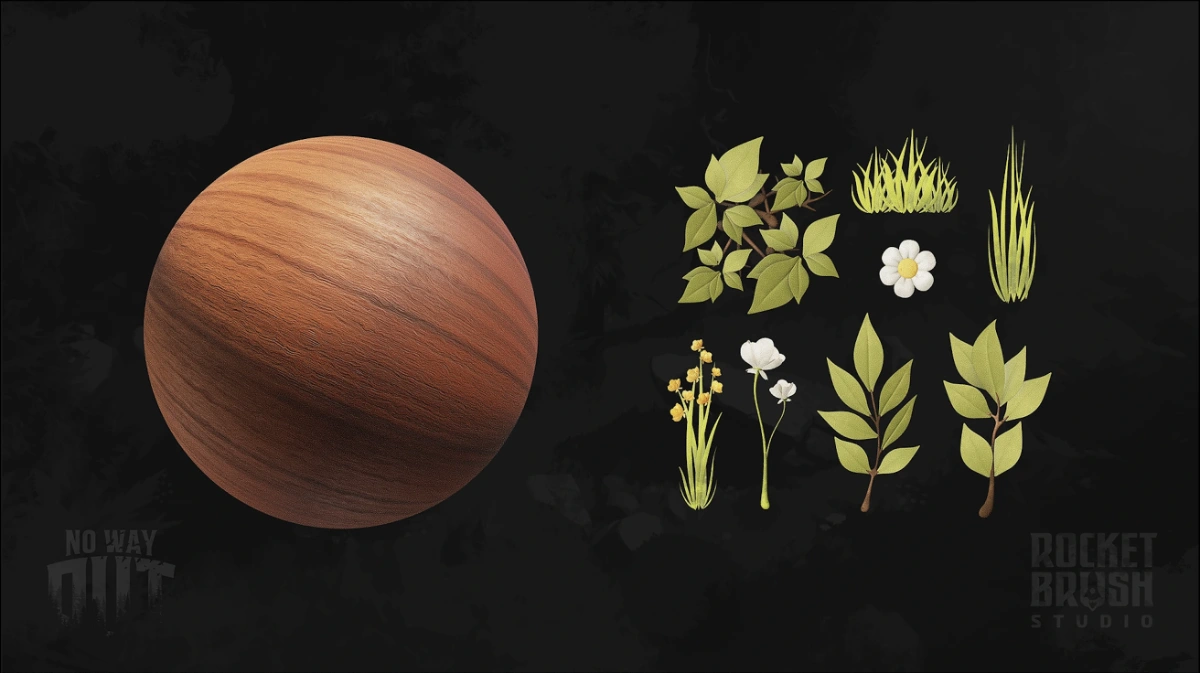
Environments define the spaces players explore and interact with. A 3D art studio typically creates modular environment kits, along with architecture, terrain, and set dressing elements that bring the world to life.
These assets are designed with reuse in mind, that allows teams to build large, consistent worlds efficiently. Environments must work across multiple levels and gameplay scenarios. At the same time, performance is a priority. It requires careful optimization without sacrificing visual quality.
Ultimately, environments support level design by providing a flexible visual framework rather than dictating gameplay structure.
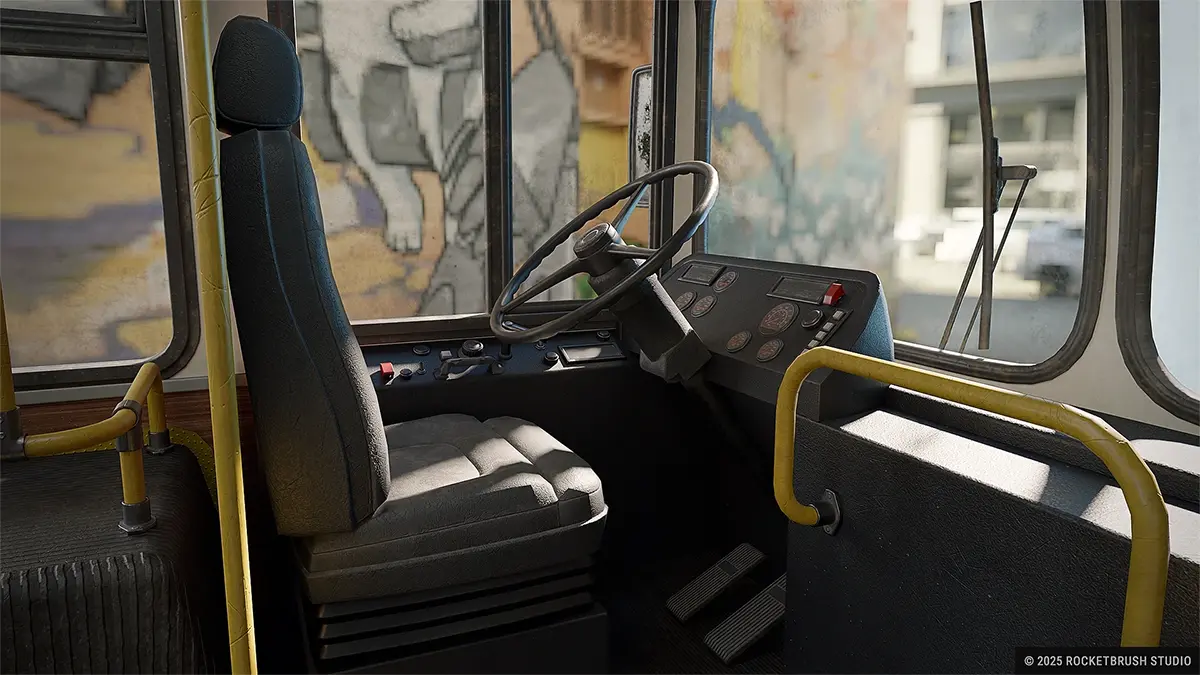
3D props fill the world and make it feel complete. Weapons, items, interactive objects, and background assets that populate environments and support player interaction fit into this category. While creating the safehouse for No Way Out, we combined the cozy feel of a home with a sense of urgency and danger through the objects and props inside.
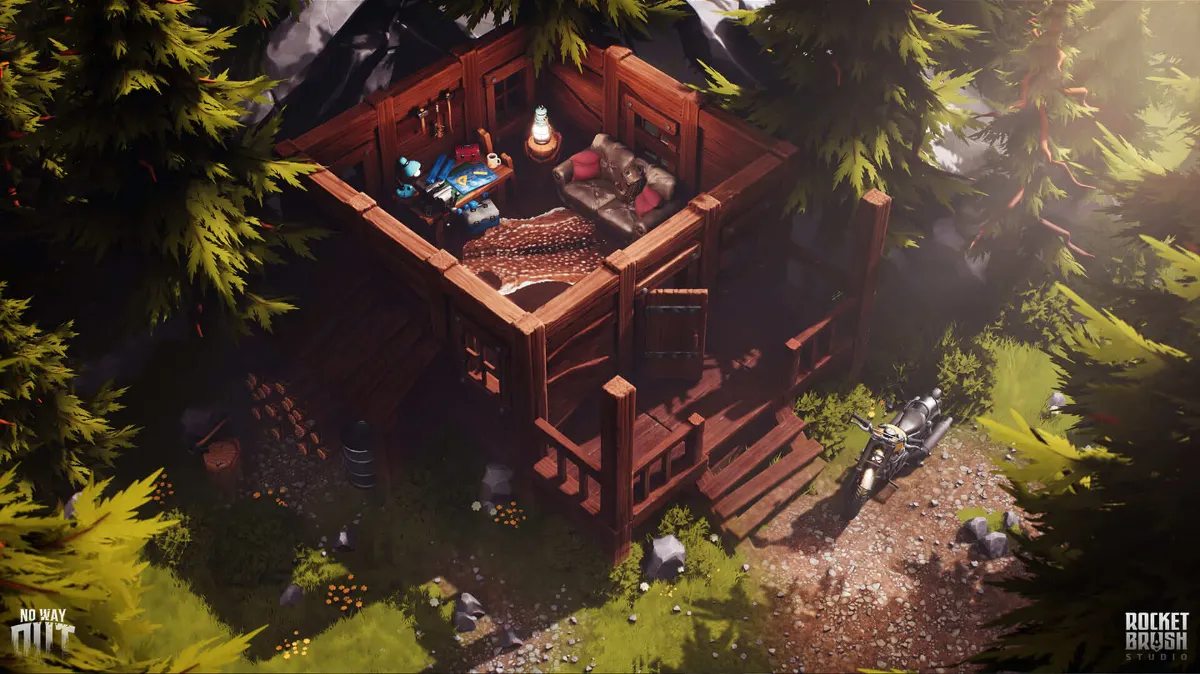
Individual props may seem straightforward, they are often produced in large quantities, which means consistency and efficiency should be critical. An art studio typically approaches props as part of a broader system, building reusable asset libraries that streamline production and ensure visual cohesion. This approach allows teams to scale content creation without compromising quality.
Learn more about different types of 3D modeling in games from our article.
[[ref:types-of-3d-modeling-choosing-the-right-workflow-for-games]]
Animation brings all these assets to life and connects visual design with gameplay. It includes character movement, combat actions, cinematic sequences, and object interactions such as doors or mechanical elements.
The primary goal of animation is to improve gameplay clarity and responsiveness, helping players understand actions and react accordingly. Animation in games prioritizes readability and timing.
Many studios integrate animation into their pipeline, ensuring assets are built with motion in mind from the beginning.
[[cta:Need 3D assets for your game?:Tell us about the asset scope, visual style, and technical requirements, and we’ll help plan the right production setup.]]
A 3D art studio for games follows a structured production workflow to ensure assets move smoothly from concept to in-engine use. Each stage focuses on aligning visual quality with technical requirements, resulting in assets that are both visually consistent and ready for real gameplay conditions. Below is a table with the most common pipeline that can change depending on production circumstances:
An external 3D team can integrate into a game development pipeline in different ways depending on the project’s needs and production goals. Some teams rely on a studio for broader asset creation support, while others bring in specialized expertise for specific parts of the game.
Regardless of the collaboration format, successful integration depends on pipeline alignment. A 3D production team needs to adapt to the project’s existing tools, software, naming conventions, file structures, and technical requirements.
Strong 3D studios do not replace or disrupt established workflows, they become a natural extension of the production pipeline, creating assets that are easy to implement and maintain. You can learn more about interacting efficiently with an external art team from our dedicated guide to outsourcing.
[[ref:game-art-outsourcing-complete-guide]]
The role of a 3D art studio for games is similar but not identical to that of a freelancer or a full cycle studio. The choice depends on the scope of work, for example, for smaller tasks a freelancer would be enough but it would be impossible for one person to deliver a large number of assets in a short time. This table outlines the main pros and cons of art studios, freelance artists, and game studios.
An external 3D studio sits between a freelancer and a full game development studio: it provides a multidisciplinary team for asset production without taking ownership of the entire game.
When the studio joins a project as an external production partner, this setup is commonly described as 3D art outsourcing. It helps the internal team expand production capacity while keeping core development in-house. Learn more about when this model works and how collaboration is organized in our guide:
[[ref:how-does-3d-art-outsourcing-help-your-game]]
A 3D studio is a company that delivers engine- or game-ready art. These type of studios support game production by:
At RocketBrush Studio, we create game-ready 3D characters, props, and environments in a range of styles. If you need support with 3D asset production, tell us about your project, scope, and technical requirements.